Gaming Attendant
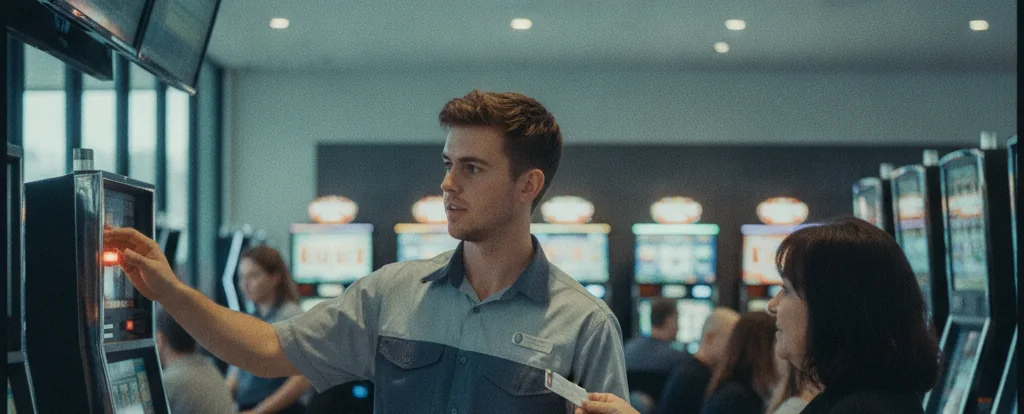
Gaming attendants keep the gaming room of a pub, club or casino running, helping patrons use the machines and stepping in when a fault, a dispute or a concern about someone's play comes up.
- Median salary
- $80,000
4.3%vs last year, before tax
- People employed
- 4,300
2.4%vs last year
- Projected growth
- +11.3%
to 2035
- AI exposure*
- Moderate
- automation risk
- Average hours
- 40/wk
matches all-jobs average
- Shortage status
- Not in shortage
national
Gaming attendants work in the gaming room of a pub, club or casino, keeping electronic gaming machines running, paying out winnings and sorting out faults and disputes as they happen. The role differs from a casino dealer or croupier, who runs table games directly, because an attendant mostly monitors machines, checks ID and applies responsible gambling rules rather than dealing cards. Most of the work happens in a dedicated gaming room across evenings, weekends and public holidays, when the floor is busiest.
How much do gaming attendants earn?
The median full-time salary for a gaming attendant is $80,000 per annum, before tax, up $16,900 since 2018.
Pay follows the hospitality award that covers the venue, so penalty rates for nights, weekends and public holidays make up a large share of what you take home, and casual loading lifts the hourly rate in exchange for irregular hours. Larger clubs and casinos often pay above the award minimum to keep experienced staff on the floor. Beyond that, the licence you hold and the duties you are rostered to perform can move you to a higher classification, particularly once you take on supervisory or gaming manager shifts.
What does a gaming attendant do day to day?
The list below is what fills most weeks; the exact mix shifts with seniority and whatever stage the current work is at.
- Walking the floor to check machines are working, answering call lights and helping patrons who are unsure how a game works
- Paying out winnings and reconciling the till against machine records during and at the end of a shift
- Checking ID and stepping in on responsible gambling grounds, sometimes with patrons who push back
- Clearing machine jams, refilling paper and logging faults for technicians between floor walks
- Keeping the room clean and its signage and compliance paperwork up to date while handling constant interruptions
What skills do gaming attendants need?
Employers look for regulatory compliance, backed by gaming machine monitoring systems fluency and strong customer service.
Specialist skills
- Regulatory compliance
Software and tools
- gaming machine monitoring systems
- EFTPOS terminals
- venue management software
- two-way radio
- cash float till
General skills
- Customer service
- Attention to detail
- Problem solving
- Written communication
- Safety and compliance awareness
Is the job growing?
About 4,300 people work as gaming attendants in Australia, and employment is projected to grow 11.3% over the decade to 2035. That's healthy, above-average growth, and the role should stay in solid demand.
How do you become a gaming attendant?
Here's the path most gaming attendants take, step by step.
- 1Complete responsible service of alcohol training
An RSA certificate is required in every state and territory before you can work in a licensed venue. It is a short course, usually a few hours plus an online or in-person assessment, and it is the first thing venues ask about.
- 2Add the gaming licence for your state
Gaming floor work needs a separate qualification, and the name and the regulator vary: New South Wales issues a Responsible Conduct of Gambling competency card, while Queensland, Victoria and other states run responsible service of gaming training through their own licensing bodies. Check your state regulator before you apply for work.
- 3Apply to clubs and hotels
Most gaming attendant jobs sit in registered clubs and pubs rather than casinos, and many start as casual shifts that build into regular rosters. Casinos also hire attendants but generally run their own induction and expect you to learn their floor procedures.
- 4Learn the venue's machines and cash procedures on the job
Training is largely in-house and paid. The first weeks cover answering call lights, processing payouts, managing a float, clearing jams and completing the paperwork that goes with each transaction.
- 5Take on supervisory duties
Experienced attendants can move into gaming supervisor or gaming manager roles, which typically require a more senior licence and cover rostering, staff supervision and compliance reporting for the room.
Ready to apply as a gaming attendant?
Whether you're working toward becoming a gaming attendant or already are one and want a hand with the next step (sharpening your resume for ATS screening, tightening your cover letter, or knowing what you'll actually be asked at interview), here are examples grounded in this specific role, not generic templates.
What jobs can a gaming attendant move to?
Moving into Hotel Manager typically comes with the biggest pay rise, worth $15,000 a year more on average.
| Move to | Typical pay change | Overlap | Retraining |
|---|---|---|---|
| Hotel Manager Gaming attendant brings hospitality customer service and gaming floor experience to hotel management, with substantial retraining in accommodation and operations.Known move | +$15,000 | 16% | reskill |
| Club Manager Gaming attendant brings floor operations and gaming compliance experience to club management, with further training in licensing and staff supervision.Known move | +$11,800 | 19% | reskill |
| Bank Teller Gaming attendant brings cash handling, customer service and compliance awareness to bank telling, with a short course in banking procedures.Known move | +$3,700 | 50% | short course |
| Bartender Gaming attendant brings patron service and cash handling to bartending, though drink preparation and responsible service training are needed.Known move | −$2,000 | 17% | reskill |
| Waiter Gaming attendant brings customer service and cash handling to waiting work, though food service and menu knowledge require retraining.Known move | −$10,000 | 24% | reskill |
Moves are chosen from Jobs and Skills Australia's Data on Occupation Mobility, which follows income tax records between 2011-12 and 2020-21, together with entry requirements and skill overlap. A known move is one people were seen making in that data. Pay change compares median full-time pay for the two roles.
Who works as a gaming attendant?
The typical gaming attendant is 35 years old; 56% are women, 75% work full-time, and full-timers average 40 hours a week.
- 35
- Median age
- 56%
- Female share
- 75%
- Full-time
- +0h
- vs all-jobs avg
What's it like being a gaming attendant?
The job has a steady rhythm of floor walks, call lights and payouts, broken up by the occasional dispute or welfare check that needs a calm response. Venues are busiest at night and on weekends, so the work suits someone who is comfortable on their feet, happy to chat with regulars and steady when a patron is unhappy about a limit or a machine. The compliance side carries real weight, because a missed ID check or a poorly handled incident can cost the venue its licence.
What people like
- You are among people all shift. The gaming room has a social side, and regulars in a club get to know the staff who look after their machine. Attendants who enjoy that contact tend to settle in quickly.
- The compliance work is more technical than it looks. Machine records, float reconciliations and licensing rules give the role a paperwork and problem-solving side that surprises people who expect only patron service.
- Penalty rates reward the unpopular hours. Nights, weekends and public holidays pay more under the hospitality award, so the shifts most people avoid are the ones that lift your pay.
- You can move up without a degree. Most attendants hold Year 12 or a certificate rather than a degree, and supervisor or manager roles are reached through venue experience and a higher licence.
What people find hard
- You are the one who enforces the limits. Telling a patron to slow down or leave, or refusing a payout on a technicality, is the hardest part of the job and can draw an angry response.
- The work repeats and breaks up constantly. Floor walks, call lights and small transactions fill a shift, so it is hard to finish one task before the next request arrives.
- Nights, weekends and public holidays. The busiest periods are exactly when everyone else is off, and rosters reflect that.
- You watch people lose money. Part of the role is standing by while patrons spend more than they intended, and that sits uneasily with some staff over time.
Based on our synthesis of professional-body surveys and public accounts of the role, not first-person verified reviews.
Which industries employ gaming attendants?
Arts and Recreation Services employs the largest share of gaming attendants, followed by Accommodation and Food Services.
Top employing industries
- 1Arts and Recreation Services
- 2Accommodation and Food Services
Ranked by employment share; the source doesn't publish an exact percentage per industry.
| Year 12 or below | 40.3% | |
|---|---|---|
| Bachelor degree | 21.7% | |
| Certificate III/IV | 16.6% | |
| Diploma / Advanced Diploma | 11.5% | |
| Postgraduate | 6.4% |
Will AI replace gaming attendants?
This is a moderately exposed job. Gaming machine monitoring systems already track plays, calculate payouts and log faults, and venue management software reconciles the till, so the counting and record-keeping parts of the role are steadily being taken over. What holds the exposure at a moderate level is the floor itself, where checking ID, watching how long someone has been playing and defusing a dispute happen face to face, and where venues are moving to cashless systems faster than they are removing staff.
Share of typical working time by exposure level
- Helping patrons on the floorExplaining how a machine works, checking ID and having a quiet word with someone who has been playing a long time depend on reading the person in front of you.30%low
- Paying out winnings and handling cashThe machine calculates the payout, but counting it out, checking it against the record and managing the float still need someone at the machine, and cashless play is reducing the volume of this work.25%moderate
- Watching machine alerts and logging faultsMonitoring software shows which machine has a call light or a jam, though clearing the fault, refilling paper and calling a technician remain manual.25%moderate
- Reconciling the till and completing compliance recordsVenue software matches cash to machine data and drafts the daily figures, leaving the attendant to check the exceptions and sign off on the paperwork.20%high
Common questions about becoming a gaming attendant
Straight answers to the questions people ask most.
How much does a gaming attendant earn?
Full-time gaming attendants earn a median of $80,000 per year before tax. Penalty rates for nights, weekends and public holidays, casual loading and the size of the venue all shift that figure, and it is a median rather than a guaranteed rate.
How do you become a gaming attendant?
Complete responsible service of alcohol training, then the gaming qualification your state requires, and apply to clubs, hotels or casinos. Experience in customer service or cash handling helps, but venues train new attendants in their own machine and payout procedures.
Are gaming attendants in demand?
Gaming attendants are currently not in shortage, and employment is projected to grow 11.3% over the decade to 2035. Openings come up steadily because venues run long hours and staff turnover is high, so a current licence and weekend availability put you in a good position.
Will AI replace gaming attendants?
Machine monitoring and venue software already handle payouts and reconciliation, and cashless systems are reducing the cash side of the role. The floor work is harder to automate, because checking ID, noticing how much someone has had to drink and calming a dispute all depend on a person being there.
What can a gaming attendant move on to?
Experienced attendants often move into club management, where gaming floor and compliance experience transfers and pay is around $11,800 more, or into bank telling, where cash handling and customer service overlap and pay is around $3,700 more. Betting clerks come the other way, bringing gambling product knowledge to the floor with minimal extra training and earning around $20,200 more.
What are the hours like?
Full-time attendants average around 40 hours a week, but the roster is built around evenings, weekends and public holidays because that is when the gaming room fills. Casual shifts are common, which means irregular hours in exchange for a higher hourly rate.
Related roles
Not sure this is you? Take the career quiz and get a ranked shortlist of roles that fit how you like to work.