Intensive Care Specialist
Intensive care specialists treat the sickest patients in hospital, supporting failing organs and making the rapid decisions that go with it.
- Median salary*
- $223,600
3.8%vs last year, before tax
- People employed
- 1,000
0.0%vs last year
- Projected growth
- +32.8%
to 2035
- AI exposure*
- Moderate
- automation risk
- Average hours
- 49/wk
+9h vs all jobs
- Shortage status
- In shortage
national
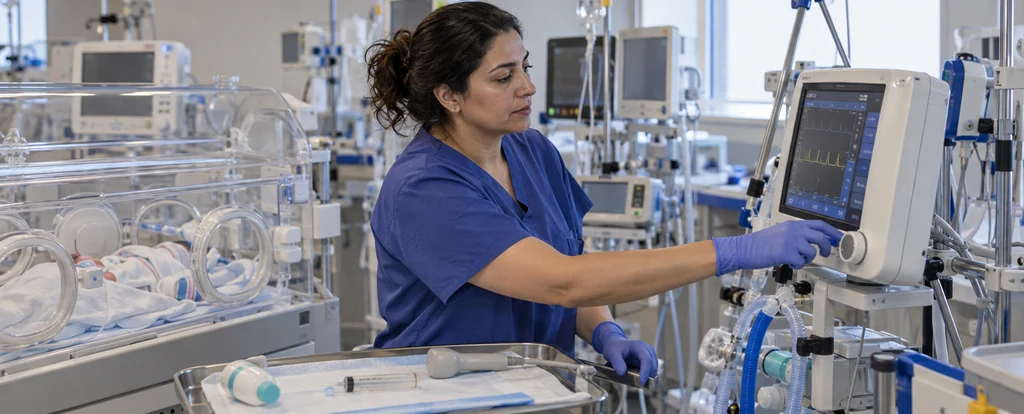
They work in hospital intensive care units, where patients arrive from emergency, surgery or the wards and often need mechanical ventilation, drugs to support blood pressure or dialysis. What separates the role from emergency medicine or anaesthetics is the length of the relationship: the same specialist frequently follows one patient from admission through days of organ support and then the handover to a ward. Intensive care units run around the clock, so nights, weekends and public holidays come with the roster.
How much do intensive care specialists earn?
The median full-time salary for an intensive care specialist is $223,600 per annum, before tax, up $46,300 since 2018.
Pay follows the enterprise agreement of the state or territory health service you work for, and specialist salaries sit on a published scale that rises with years of service. Overtime, on-call load and public holiday shifts add to the base, and some specialists take sessions at a private intensive care unit alongside public hospital work.
What does an intensive care specialist do day to day?
The list below is what fills most weeks; the exact mix shifts with seniority and whatever stage the current work is at.
- Managing patients on mechanical ventilation, vasopressor infusions and other forms of organ support
- Inserting central lines, arterial lines and airways at the bedside
- Leading multidisciplinary ward rounds with nurses, pharmacists and allied health staff
- Coordinating resuscitation and rapid response calls for deteriorating patients across the hospital
- Talking with families about prognosis and treatment limits, and supervising the registrars on the roster
What skills do intensive care specialists need?
Employers look for patient care and support, clinical assessment and treatment, medication management, backed by Electronic medical record systems (for example Cerner, Epic) fluency and strong written communication.
Specialist skills
- Patient care and support
- Clinical assessment and treatment
- Medication management
- Care planning and coordination
- Infection control and hygiene
Software and tools
- Electronic medical record systems (for example Cerner, Epic)
- ICU clinical information systems (for example MetaVision)
- Point-of-care ultrasound
- Mechanical ventilators and haemodynamic monitoring equipment
- Blood gas and pathology result systems
General skills
- Written communication
- People leadership
- Problem solving
Is the job growing?
About 1,000 people work as intensive care specialists in Australia, and employment is projected to grow 32.8% over the decade to 2035. That's very strong growth. Few roles in Australia are expanding this fast, and it points to solid demand for years to come.
How do you become an intensive care specialist?
Here's the path most intensive care specialists take, step by step.
- 1Complete a medical degree
An accredited medical degree is the starting point, usually a five or six year undergraduate course or a four year graduate entry program after a bachelor degree. Every later step depends on it.
- 2Gain general registration
Work a supervised intern year in a hospital to gain general registration with AHPRA, then complete prevocational years with rotations that include intensive care, anaesthetics and emergency medicine.
- 3Enter specialist training
Apply to the College of Intensive Care Medicine of Australia and New Zealand for the training program, which runs about six years and combines intensive care rotations with required terms in anaesthesia, medicine and other specialties. Training places are limited, so applications are competitive.
- 4Pass the college examinations
Trainees sit primary and fellowship examinations during the program, and the fellowship exam is the hurdle most people plan around. Most trainees take study leave in the months before it.
- 5Be admitted as a Fellow
Fellowship of the College of Intensive Care Medicine is what allows you to work as a specialist intensive care physician in Australia and New Zealand. Some specialists then take on a subspecialty interest through further training or research.
Ready to apply as an intensive care specialist?
Whether you're working toward becoming an intensive care specialist or already are one and want a hand with the next step (sharpening your resume for ATS screening, tightening your cover letter, or knowing what you'll actually be asked at interview), here are examples grounded in this specific role, not generic templates.
What jobs can an intensive care specialist move to?
We don't list lateral moves for intensive care specialists: leaving means a full new qualification rather than a career move, and the realistic routes in are covered under how to become one.
Who works as an intensive care specialist?
The typical intensive care specialist is 39 years old; 66% are men, 93% work full-time, and full-timers average 49 hours a week.
- 39
- Median age
- 34%
- Female share
- 93%
- Full-time
- +9h
- vs all-jobs avg
What's it like being an intensive care specialist?
The rhythm is shift based and unpredictable, with long day and night shifts where several patients can deteriorate at once. Much of the work happens standing, moving between bedsides, machines and the relatives waiting nearby, and the decisions carry weight. It suits people who like physiology and problem solving under time pressure and are comfortable leading a team through a crisis.
What people like
- Physiology you can act on. Critical illness is where the theory becomes visible: you change a ventilator setting or a drug infusion and watch the numbers and the patient respond.
- A tight team around each bed. Intensive care runs on close work between nurses, registrars, pharmacists and allied health, and during a resuscitation everyone knows their role.
- Hands-on procedures. Central lines, arterial lines and airways are done at the bedside, which keeps the work procedural rather than purely consultative.
- Meeting families on the hardest day. You often meet a family at the worst moment of their lives and stay with them across the admission, which makes the conversations matter.
What people find hard
- Nights and the roster. Patients need cover at every hour, so night shifts, weekends and public holidays stay part of the job for as long as you practise.
- Decisions before the full picture arrives. You are often acting while results are still coming through, and a patient can deteriorate before the cause is clear.
- Conversations about limits of treatment. Discussions about withdrawing or withholding treatment come around most weeks, and they are difficult even after years of practice.
- Bed pressure and administration. When the unit is full, the work includes chasing transfers, negotiating for beds elsewhere and documenting decisions in enough detail to stand up later.
Based on our synthesis of professional-body surveys and public accounts of the role, not first-person verified reviews.
Which industries employ intensive care specialists?
Health Care and Social Assistance employs the largest share of intensive care specialists.
Top employing industries
- 1Health Care and Social Assistance
Ranked by employment share; the source doesn't publish an exact percentage per industry.
| Bachelor degree | 48.8% | |
|---|---|---|
| Postgraduate | 46.2% | |
| Diploma / Advanced Diploma | 1.1% | |
| Certificate III/IV | 0% |
Will AI replace intensive care specialists?
AI has a moderate reach into intensive care work. Monitoring software already flags deteriorating patients and drafts parts of the record, which changes how much of the shift goes on watching screens and typing. The parts that carry the most weight, deciding whether to escalate treatment, talking with a family and putting a line into a patient, stay with the specialist.
Share of typical working time by exposure level
- Bedside proceduresInserting a central line or securing an airway depends on feel, on the anatomy in front of you and on doing it safely while the patient is unstable.30%low
- Interpreting monitoring and test resultsAlgorithms flag deteriorating patients and trend blood gas and haemodynamic data, but someone has to judge what the numbers mean for this particular patient.25%moderate
- Leading the team and family discussionsDeciding to escalate or limit treatment, and explaining that decision to a family, rests on clinical judgement and accountability that software cannot hold.25%low
- Documentation and clinical notesVoice recognition and templated notes already draft much of the record, though the specialist still reads and corrects what goes in.20%high
Common questions about becoming an intensive care specialist
Straight answers to the questions people ask most.
How much do intensive care specialists earn?
The median full-time pay is $223,600 per year before tax. It rises with years of specialist service, the enterprise agreement covering your hospital and how much on-call and overtime the roster carries.
How do you become an intensive care specialist?
You complete a medical degree, an intern year and prevocational hospital rotations to gain general registration, then apply to the College of Intensive Care Medicine of Australia and New Zealand. Training runs about six years and includes required terms in anaesthesia and medicine, and you must pass the college examinations along the way. Fellowship of the college is what qualifies you to work as an intensive care specialist.
Are intensive care specialists in demand?
Intensive care specialists are currently in shortage nationally, and employment is projected to grow 32.8% over the decade to 2035 over the decade to 2035. The work is hospital based, so openings sit with the public health services and private hospitals that run intensive care units, and they tend to follow funding and roster decisions rather than a single hiring round.
Will AI replace intensive care specialists?
AI is unlikely to replace the role, but it already reaches into parts of it. Monitoring software flags deteriorating patients and tracks trends in test results, and documentation is increasingly drafted automatically, which cuts time at the keyboard. The decisions with legal and ethical weight, such as whether to escalate or limit treatment, stay with the specialist leading the team.
What can intensive care specialists move into?
Most come into the role from resident medical officer posts, which build the acute care and procedural experience the college expects, and specialist pay is $119,600 more than at that level. Some later combine public hospital work with sessions at a private intensive care unit, which is often where earnings grow.
How many hours do intensive care specialists work?
Full-time specialists work about 49 hours a week on average, and that figure includes night shifts, weekends and on-call. Rosters vary between hospitals, and a busy unit can add to the total.
Related roles
- Resident Medical Officer
- Obstetrician and Gynaecologist
- Registered Nurse
- Neurosurgeon
- Enrolled Nurse
- Surgeon
Not sure this is you? Take the career quiz and get a ranked shortlist of roles that fit how you like to work.