Police Prosecutor
Police prosecutors prepare and present the police case in the lower courts, from the first court date through to sentence.
- Median salary*
- $101,400
4.2%vs last year, before tax
- People employed
- 2,500
0.0%vs last year
- Projected growth*
- +6%
to 2035
- AI exposure*
- Moderate
- automation risk
- Average hours*
- 40/wk
matches all-jobs average
- Shortage status*
- In shortage (regional)
national
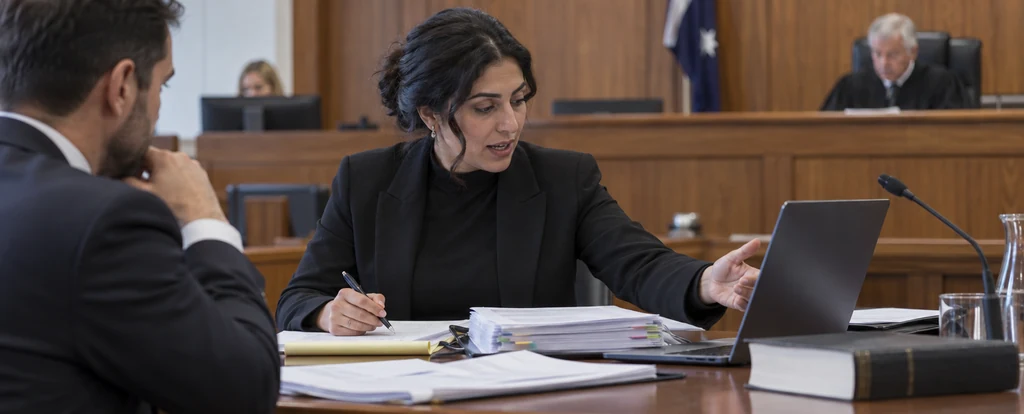
Police prosecutors work in the magistrates' courts, running the police case on charges such as traffic, assault and property offences. Most are sworn police officers who have also qualified in law, though the arrangement differs by state, and some forces employ civilian solicitors in their prosecution units. The role sits between policing and legal practice: prosecutors build the case and argue it, but they do not defend, and they rarely appear in jury trials.
How much do police prosecutors earn?
The median full-time salary for a police prosecutor is $101,400 per annum, before tax, up $21,300 since 2018.
Pay sits on the police award or the public sector legal classification used in your state, so it moves with rank and years of service rather than with the outcome of individual cases. Circuit and regional postings often attract allowances, and a prosecutor employed by a police force and one employed by an office of public prosecutions can sit on different scales. Moving into a specialist prosecution unit or taking on supervision of junior prosecutors brings the higher classification that goes with it.
What does a police prosecutor do day to day?
The list below is what fills most weeks; the exact mix shifts with seniority and whatever stage the current work is at.
- Reviewing briefs of evidence sent in by investigating officers and checking that each charge can be proved
- Advising police on which charges to lay, including when a lesser charge is the stronger case
- Appearing in contested hearings and sentence proceedings before a magistrate
- Negotiating pleas and agreed facts with defence solicitors, often in the minutes before a matter is called
- Keeping a caseload of summary matters moving through the court list
What skills do police prosecutors need?
Employers look for legal research, litigation and dispute support, regulatory and administrative law, backed by JusticeLink fluency and strong written communication.
Specialist skills
- Legal research
- Litigation and dispute support
- Regulatory and administrative law
- Casework and client support
Software and tools
- JusticeLink
- ICMS
- Microsoft Office
- AustLII
General skills
- Written communication
- Attention to detail
- Time and deadline management
- Problem solving
Is the job growing?
About 2,500 people work as police prosecutors in Australia, and employment is projected to grow 6% over the decade to 2035. That's modest growth: demand is steady rather than booming.
How do you become a police prosecutor?
Here's the path most police prosecutors take, step by step.
- 1Become a police officer
Recruit training with a state or territory force, followed by a probationary year in general duties, is where most police prosecutors start. The training is paid, and the general duties year is what builds the evidence and court experience the prosecution role runs on.
- 2Spend time in the courtroom as an officer
A few years of general duties means taking statements, preparing briefs and giving evidence yourself. That teaches you what a prosecution needs to prove and what a magistrate is likely to ask about.
- 3Qualify in law
Serving officers in some states, including New South Wales, can complete an approved diploma of law through the local admission board, while a law degree is the route everywhere else. Either qualification is what allows you to be admitted as a legal practitioner.
- 4Be admitted and hold a practising certificate
Admission by the Supreme Court in your state and a practising certificate from the local legal regulator are what let you appear as an advocate, rather than instructing someone else to run the matter.
- 5Apply to a police prosecution unit
Selection into a prosecution branch is usually followed by advocacy training and a period running mentions under supervision before you take contested hearings on your own. A small number of forces also employ civilian lawyers in prosecution roles, which is the direct route for someone who would rather not be a sworn officer.
Ready to apply as a police prosecutor?
Whether you're working toward becoming a police prosecutor or already are one and want a hand with the next step (sharpening your resume for ATS screening, tightening your cover letter, or knowing what you'll actually be asked at interview), here are examples grounded in this specific role, not generic templates.
What jobs can a police prosecutor move to?
We don't list lateral moves for police prosecutors: leaving means a full new qualification rather than a career move, and the realistic routes in are covered under how to become one.
Who works as a police prosecutor?
The typical police prosecutor is 41 years old; 52% are women, 86% work full-time, and full-timers average 40 hours a week.
- 41
- Median age
- 52%
- Female share
- 86%
- Full-time
- +0h
- vs all-jobs avg
What's it like being a police prosecutor?
The week runs on the court list: mornings in court, afternoons on briefs, phone calls and preparation for the next listing. The pressure comes from volume, and from cases that can't be run properly because a statement or an exhibit is missing. It suits people who like thinking on their feet, moving quickly between matters, and working inside a system they can see the point of.
What people like
- On your feet in court. Contested hearings mean questioning witnesses and answering arguments as they come, rather than working through a file at a desk.
- A caseload you can see through. Summary matters are resolved in weeks or months rather than years, so cases you start tend to finish while you are still handling them.
- More predictable hours than general duties. Court sittings run on business hours, so prosecution work is usually easier to plan around than shift work on the beat.
- Something different in every list. A single court day can take in traffic, assaults, domestic violence and property offences, so the law you use keeps changing.
What people find hard
- The list never clears. A court day can carry dozens of mentions, each needing a decision, so the pile of files waiting on you stays high.
- Briefs that aren't ready. Statements go missing and exhibits aren't served, which leaves the prosecutor asking the magistrate for another adjournment.
- Heavy and repetitive subject matter. Family violence and child matters appear in the list week after week, and the same names come back.
- Adjournments and late changes. Witnesses don't appear, matters are put off, and a plea you thought was settled can change on the morning.
Based on our synthesis of professional-body surveys and public accounts of the role, not first-person verified reviews.
Which industries employ police prosecutors?
Public Administration and Safety employs the largest share of police prosecutors, followed by Professional, Scientific and Technical Services.
Top employing industries
- 1Public Administration and Safety
- 2Professional, Scientific and Technical Services
- 3Financial and Insurance Services
- 4Construction
- 5Electricity, Gas, Water and Waste Services
Ranked by employment share; the source doesn't publish an exact percentage per industry.
| Bachelor degree | 52% | |
|---|---|---|
| Postgraduate | 26% | |
| Diploma / Advanced Diploma | 13% | |
| Other | 9% |
Will AI replace police prosecutors?
AI reaches the preparation side of this job rather than the courtroom side, which is why the role sits at a moderate level of exposure. Brief summaries, case law searching and first drafts of routine submissions are all being automated, while advocacy, charge negotiation and the decision to proceed remain with the prosecutor.
Share of typical working time by exposure level
- Reviewing briefs of evidenceSoftware can summarise a long brief or flag a missing statement, but someone still has to decide whether the evidence would hold up in front of a magistrate.30%moderate
- Appearing in court as advocateCross-examination, witness handling and answering a magistrate's questions happen live, and no tool in the courtroom does that for you.30%low
- Researching law and drafting submissionsSearch tools and generative assistants turn out a sentencing submission in seconds, which shifts your time from finding the cases to checking that each case says what the draft claims.25%high
- Negotiating charges and pleas with defenceWhat a defence solicitor will accept, and what the victim and the investigating officer can live with, is worked out in phone calls and conversations in the corridor.15%low
Common questions about becoming a police prosecutor
Straight answers to the questions people ask most.
How much does a police prosecutor earn?
Police prosecutors earn a median of $101,400 per year before tax. Pay follows the police or public sector legal classification in your state, so it rises with rank, years of service and any circuit or regional allowances rather than with how many cases you win.
How do you become a police prosecutor?
Most police prosecutors begin as police officers, spend a few years in general duties and then qualify in law, either through a law degree or an approved diploma for serving officers. After admission and a practising certificate, they apply to a prosecution unit and build advocacy experience under supervision before running contested matters alone.
Is there demand for police prosecutors?
Police prosecutors are currently in shortage in regional areas, and employment across the role is projected to grow 6% over the decade to 2035. Where you are willing to work can matter more than it does in some legal roles, so it is worth checking the postings in the courts near you before you commit to a location.
Will AI replace police prosecutors?
Not the courtroom work. Software is already useful for summarising briefs, finding case law and drafting routine submissions, but advocacy, plea negotiation and the decision to proceed with a charge stay with the prosecutor. Expect the research and paperwork side of the job to change more than the court appearances.
Where do police prosecutors come from?
Police officers move into this work most directly, because gathering evidence and preparing a brief are the same skills a prosecution runs on. Pay for a police prosecutor is typically $31,700 less than for a police officer, and the move usually comes with a shift off rotating shifts and into a court schedule.
What is the difference between a police prosecutor and a public prosecutor?
Police prosecutors run the police case in the lower courts, mostly summary offences, and they work within the police force. Prosecutors in an office of public prosecutions are independent of police, handle indictable matters and appear more often in higher courts. Which model your state uses varies.
Related roles
Not sure this is you? Take the career quiz and get a ranked shortlist of roles that fit how you like to work.