How to start a cover letter

Starting a cover letter comes down to two decisions: who you address it to, and what your first paragraph says. The greeting should use the name of the person reading your application if you can find it, with a sensible fallback if you can't. The first paragraph should name the job and give the reader a specific reason to keep going, usually the closest match between your experience and what the role needs.
Below is how to find the right name, what to write when there isn't one, and several example openings you can adapt. If you're still deciding whether to send a cover letter at all, the guide on [whether you need a cover letter](/advice/do-you-need-a-cover-letter) covers that first.
Who to address your cover letter to
The best greeting uses the name of the person who will read your application. Many job ads include a contact name, often at the bottom alongside a phone number or email address for questions. If the ad doesn't name anyone, Youth Central, the Victorian Government's careers site for young people, suggests calling the employer or advertiser to ask who applications should go to, and emailing if you can't find a phone number.
A short call can help in another way too. If the person who answers is involved in hiring, you could ask who the role reports to or what kind of experience the team is looking for. What you learn can help you decide what to put first in your letter.
Once you have a name, use a title and surname: "Dear Ms Nguyen" or "Dear Mr Okafor". Youth Central advises against using a first name alone in a cover letter. The Australian Government Style Manual lists Ms, Mr, Mrs, Mx and Dr as titles, and says that if you don't know someone's preferred title, you can use their given name with their family name. So if the ad lists "Sam Patel" and you're not sure which title Sam uses, "Dear Sam Patel" is correct and avoids guessing. The Style Manual also cautions against shortening a name if you aren't sure the person uses the shorter version, so write "Dear Katherine Ellis" when that's how the name appears, not "Kate".
If the job is advertised through a recruitment agency, address your letter to the consultant named in the ad. They're usually the person screening applications before any are passed to the employer.
How to address a cover letter without a name
Sometimes there's no name to find. Large employers often use application portals with no contact listed, and a call may only reach a general enquiries line. In that case, choose the most specific greeting you can, working through these options in order:
- A job title: "Dear Finance Manager" or "Dear Nurse Unit Manager", if the ad says who the role reports to.
- A team: "Dear People and Culture Team" or "Dear Recruitment Team", if the ad or careers page names the team handling applications.
- A general greeting: "Dear Hiring Manager". Youth Central says this is acceptable, but best kept as a last resort.
Try to avoid "To whom it may concern". Youth Central recommends against it, and the Style Manual describes that greeting and "Dear Sir/Madam" as the most formal options, which are rarely useful. Either greeting can make a letter read as though it could have gone to any employer.
The greeting also affects the sign-off. Under the Style Manual's convention, "Yours sincerely" follows a greeting that uses a name and "Yours faithfully" follows one that doesn't. "Kind regards" is also widely used in job applications and suits most letters that open with "Dear".
Name the job straight away
Your reader may be sorting applications for several vacancies at once, so make it clear from the start which job you're applying for. Youth Central suggests two ways to do this: a separate line above the first paragraph that states the job title, or a first sentence that names the position.
If the ad includes a reference or job number, add it to that line or sentence. It costs you a few words and helps your application reach the right shortlist, particularly when an employer is recruiting for similar roles in different locations.
You can also say where you saw the job if it's useful context, for example if a manager mentioned it to you or you found it on the employer's own careers page. It isn't necessary to name the job board.
What your first paragraph should do
A strong opening paragraph is usually two or three sentences. It names the role, then gives the reader the one or two things about you that matter most for this job. That might be experience in the same kind of work, a qualification the ad lists as essential, or a connection to the organisation.
The second part is where openings often fall short. "I am writing to apply for the Administration Officer position" is a clear first sentence, and Youth Central uses a similar example. The problem comes when the rest of the paragraph adds only general enthusiasm, such as being "a motivated team player", which the reader has no way to check. Compare that with a sentence saying you've spent three years running bookings and invoicing for a busy clinic. The second version tells the reader why your resume is worth a closer look.
To find your strongest opening detail, read the job ad or position description and look for the requirement mentioned first or repeated. Then choose the part of your experience that answers it most directly. You'll expand on it later in the letter, so the first paragraph only needs to introduce it.
Cover letter opening examples
Each of these is a starting point. Change the details so they reflect your own experience and the job you're applying for, and keep only what's true for you.
If you have direct experience in the role
If someone referred you
Mention a referral only when the person has agreed to it, because the reader may well ask them about you.
If you're changing careers
If it's your first job or you're a recent graduate
If you're applying internally
Cover letter opening examples
Dear Ms Rahman
Re: Payroll Officer, reference PO-2214
I'm applying for the Payroll Officer position at Southbank Logistics. For the past four years I've processed fortnightly pay for around 300 staff across two enterprise agreements, and I've been the main contact for award interpretation questions in my current team.
Cover letter opening examples (2)
Dear Mr Delaney
I'm applying for the Maintenance Planner role, which Tessa Moore in your operations team suggested I look at after we worked together on a shutdown project last year. I've planned scheduled maintenance for mobile plant for six years and would welcome the chance to do the same work at your Pilbara site.
Cover letter opening examples (3)
Dear Hiring Manager
I'm applying for the Customer Success Coordinator position. After eight years as a primary school teacher, I'm moving into a role where I can keep doing the parts of the job I've been best at: explaining new systems clearly, keeping many people's needs organised and following up until an issue is resolved.
Cover letter opening examples (4)
Dear Recruitment Team
I'm applying for the Graduate Environmental Scientist program, reference GES-26. I've just completed a Bachelor of Environmental Science, including a final-year project on water quality monitoring in regional creeks, and I'd like to build on that fieldwork in a consulting role.
Cover letter opening examples (5)
Dear Jordan Lee
I'd like to apply for the Team Leader, Accounts Receivable position. I've worked in the accounts receivable team for three years, and for the past six months I've trained new starters and covered the team leader's duties during leave.
Openings that are worth rewriting
A few types of opening use up the reader's first moments without telling them much. If your draft starts with one of these, it's usually quick to fix:
- "My name is…": your name is already at the top of the letter and on your resume, so you can start with the job instead.
- A paragraph of enthusiasm with no detail: saying you're passionate or excited is fine in a sentence, but pair it with something about your experience that shows why.
- A claim to be the perfect candidate: the reader decides that, and a specific example makes a stronger case than the assertion.
- An apology: if you're light on experience, open with what you do have, such as a relevant course, placement or project, and let the reader weigh it up.
- A quote, question or joke: these can work in some creative fields, but in most applications they delay the information the reader is looking for.
Once you've written your opening, read the greeting and first paragraph on their own. If they tell the reader who you are writing to, which job you want and the most relevant thing about you, the rest of the letter can build on that. For how much room you have left, see how long a cover letter should be.
Related articles

Do you still need a cover letter in 2026?
Most advice online says skip the cover letter unless the ad asks for one. Australian government careers guidance says include one by default. This explains where the two positions differ and how to keep yours readable by an automated screen.
How long should a cover letter be
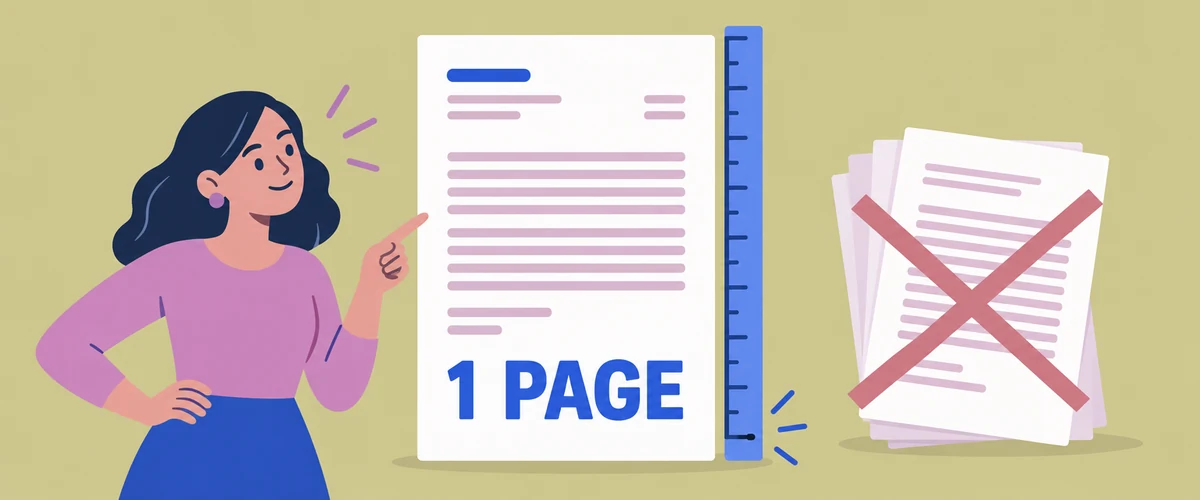
A cover letter should usually fit on one page. That's the standard in Australian government careers guidance.
What goes in the cover letter and what goes in the resume
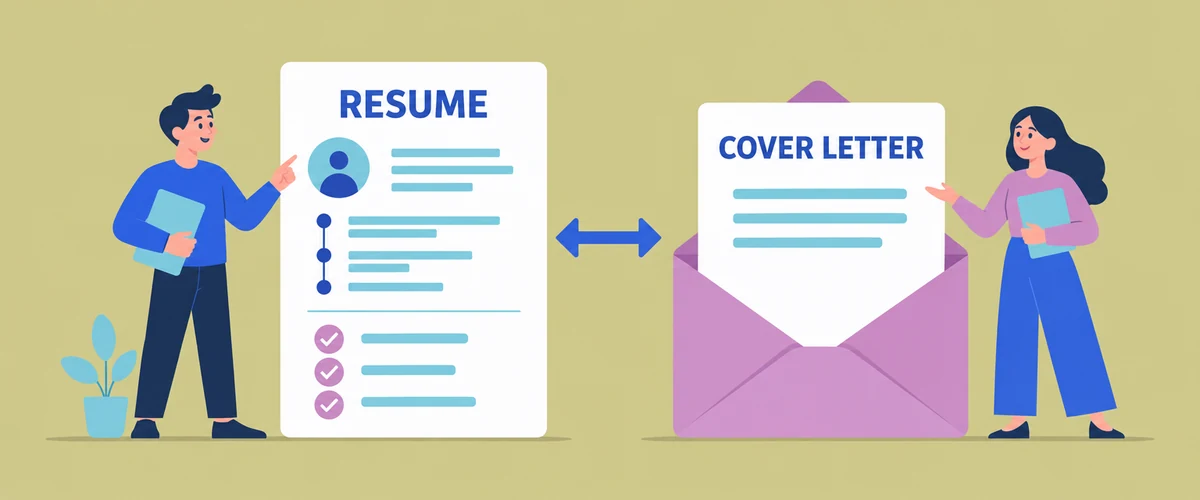
Your resume is the full record of what you've done: your jobs, dates, qualifications and skills, set out so an employer can scan it quickly.