Airport Manager
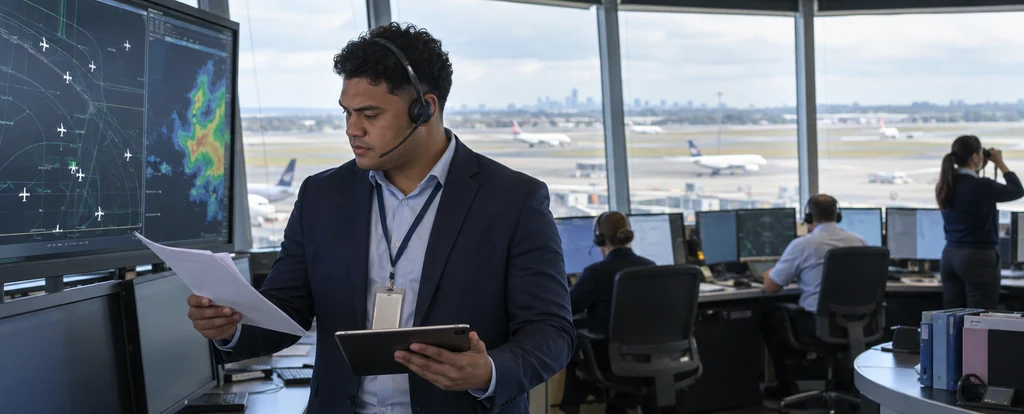
Airport managers run the day-to-day operations of an airport, keeping terminals, airside movements and tenants working safely and on schedule.
- Median salary*
- $124,800
4.0%vs last year, before tax
- People employed
- 1,500
0.0%vs last year
- Projected growth*
- +6%
to 2035
- AI exposure*
- Moderate
- automation risk
- Average hours*
- 44/wk
+4h vs all jobs
- Shortage status*
- Not in shortage
national
Airport managers work across a whole precinct rather than a single business, from terminals and runways to car parks, retail tenancies and the contractors who service them. The role splits between operations, safety and the commercial side, so a day can move from a runway inspection to a lease negotiation to a budget review. It is a small occupation, with about 1,500 people working as airport managers nationally, and employers range from major airport operators to council-run regional airports and government aviation bodies.
How much do airport managers earn?
The median full-time salary for an airport manager is $124,800 per annum, before tax, up $26,000 since 2018.
Pay moves with the size and traffic of the airport, so a manager at a major city airport and one at a regional field are not on the same band. Enterprise agreements, shift and on-call allowances and performance bonuses shift the total further, and privately operated airports set their own ranges. Smaller regional airports often combine the role with other council duties, which affects both the scope and the salary.
What does an airport manager do day to day?
The list below is what fills most weeks; the exact mix shifts with seniority and whatever stage the current work is at.
- Overseeing terminal and airside operations so aircraft movements and passenger flows stay on schedule
- Coordinating the airport's response to weather delays, diversions and other disruptions with airlines and ground handlers
- Managing safety, security and regulatory compliance across the precinct, from airside access to emergency exercises
- Negotiating leases, landing fees and service contracts with airlines, tenants and contractors
- Preparing operating budgets, tracking capital works and leading the operations and customer service teams
What skills do airport managers need?
Employers look for operations management, budgeting and forecasting, risk and internal controls, backed by SITA Airport Management fluency and strong people leadership.
Specialist skills
- Operations management
- Budgeting and forecasting
- Risk and internal controls
- Project management
Software and tools
- SITA Airport Management
- Veovo Airport Orchestration
- Microsoft Power BI
- SAP ERP
- Airport Operational Database (AODB)
General skills
- People leadership
- Stakeholder management
- Safety and compliance awareness
- Customer service
Is the job growing?
About 1,500 people work as airport managers in Australia, and employment is projected to grow 6% over the decade to 2035. That's modest growth: demand is steady rather than booming.
How do you become an airport manager?
Here's the path most airport managers take, step by step.
- 1Start in airport operations
Ground handling, terminal operations, airline operations and security roles teach you how a precinct actually runs, and many airport managers begin on the apron or at a check-in counter before moving into a duty manager position.
- 2Study aviation management, business or logistics
About 38% of airport managers hold a bachelor degree. Courses in aviation management, business or logistics cover the operations, finance and regulatory side of the work that a purely frontline background will not.
- 3Use a TAFE pathway if you are already working
A diploma or advanced diploma in aviation, logistics or management builds on operational experience, and about 24% of the workforce holds one. Part-time study is common because the airports are running while you study.
- 4Build an operational leadership and safety record
Duty manager, operations manager and safety roles give you the rostering, incident response and budgeting experience employers look for. An Aviation Security Identification Card and an airside driver authority are standard requirements for working beyond the terminal.
- 5Move across from a nearby management role
Facilities, depot and transport managers bring contractor, logistics and building experience that transfers, which makes them credible applicants when an airport is hiring outside its own ranks.
Ready to apply as an airport manager?
Whether you're working toward becoming an airport manager or already are one and want a hand with the next step (sharpening your resume for ATS screening, tightening your cover letter, or knowing what you'll actually be asked at interview), here are examples grounded in this specific role, not generic templates.
What jobs can an airport manager move to?
Moving into Supply Chain Manager typically comes with the biggest pay rise, worth $22,600 a year more on average.
| Move to | Typical pay change | Overlap | Retraining |
|---|---|---|---|
| Supply Chain Manager Airport managers coordinate complex freight and passenger flows, skills that transfer directly to supply chain management. | +$22,600 | 57% | short course |
| Transport Manager Airport managers bring terminal and airside logistics experience to managing broader transport networks. | +$13,100 | 52% | short course |
Moves are chosen from Jobs and Skills Australia's Data on Occupation Mobility, which follows income tax records between 2011-12 and 2020-21, together with entry requirements and skill overlap. A known move is one people were seen making in that data. Pay change compares median full-time pay for the two roles.
Who works as an airport manager?
The typical airport manager is 45 years old; 60% are men, 91% work full-time, and full-timers average 44 hours a week.
- 45
- Median age
- 40%
- Female share
- 91%
- Full-time
- +4h
- vs all-jobs avg
What's it like being an airport manager?
The job runs on the airport's timetable rather than the manager's, with early starts, late finishes and a phone that stays on through disruptions. Much of the week goes to meetings, site walk-arounds and juggling airline demands, tenant issues and a safety regulator that does not move quickly. People who enjoy it tend to like the scale and variety of a precinct where a retail lease and a runway inspection can land in the same hour.
What people like
- No two days look the same. A morning might move from a terminal upgrade meeting to a wildlife hazard check to a conversation with an airline about next season's schedule.
- You can see the operation work. When a busy peak clears on time, the result of rostering and planning decisions is visible in the terminal rather than buried in a report.
- The commercial side is yours to shape. Landing fees, leases and capital projects give the role a business dimension, not just a compliance one, and those decisions show up in the airport's results.
- The industry is small and well connected. Because the occupation is small, contacts made at one airport often matter at the next, and people move between city and regional sites over a career.
What people find hard
- Disruptions set the agenda. Storms, fog, diversions and IT outages can overturn a planned day, and the manager is often the one answering to airlines and frustrated travellers.
- You carry the safety responsibility. Airside safety, security and emergency planning sit with the role, and incidents are reviewed in detail afterwards, which keeps the pressure on long after the event.
- Weekends and nights are part of the job. Average full-time hours run to about 44 a week, and duty rosters usually include early mornings, nights, weekends and public holidays.
- Budget pressure is constant. Maintenance, security and terminal upgrades compete for the same capital budget, and airlines and tenants push back on the fees that fund it.
Based on our synthesis of professional-body surveys and public accounts of the role, not first-person verified reviews.
Which industries employ airport managers?
Air transport employs the largest share of airport managers, followed by Transport support services.
Top employing industries
- 1Air transport
- 2Transport support services
- 3Public administration and safety
- 4Building and property management
- 5Retail trade
Ranked by employment share; the source doesn't publish an exact percentage per industry.
| Bachelor degree | 38% | |
|---|---|---|
| Diploma / Advanced Diploma | 24% | |
| Certificate III/IV | 20% | |
| Postgraduate | 10% | |
| Other | 8% |
Will AI replace airport managers?
Automation reaches the reporting, rostering and forecasting side of airport management more than the operations themselves, which is why the exposure sits at a moderate level. Airport operational databases and orchestration platforms turn movement and staffing data into dashboards, so a manager sees a problem sooner but still decides what to do about it. Airside safety, regulatory accountability and negotiations with airlines and tenants remain human work.
Share of typical working time by exposure level
- Safety, security and disruption responseEmergency exercises, wildlife hazard plans and incident command depend on people on the ground making calls in real time with airlines and emergency services.30%low
- Operations reporting and performance dataThe airport operational database compiles on-time performance, gate use and passenger numbers automatically, replacing the manual morning report.25%high
- Rostering and resource planningRostering software proposes coverage for check-in, security and cleaning from the flight schedule, though managers adjust for experience, enterprise agreements and last-minute absences.25%moderate
- Budget forecasting and capital planningForecasting tools model passenger growth and landing fee revenue quickly, but someone still has to weigh competing projects and defend the numbers.20%moderate
Common questions about becoming an airport manager
Straight answers to the questions people ask most.
How much does an airport manager earn?
$124,800 per annum before tax is the median for full-time airport managers, so half earn more and half earn less. Pay rises with the size and traffic of the airport, and shift or on-call allowances and bonuses can add to the base salary.
How do you become an airport manager?
Most people arrive after years in airport operations, moving from duty manager or operations manager into the top job. A degree or diploma in aviation management, business or logistics helps, and starting in ground handling, terminal operations or security is the usual way in.
Are airport managers in demand?
Airport managers are currently not in shortage, and employment is projected to grow 6% over the decade to 2035. It is a small occupation with about 1,500 people nationally, so openings tend to be limited and are often filled from within the industry.
Will AI replace airport managers?
AI is unlikely to replace the role, but it is changing parts of it. Airport operational databases, rostering tools and forecasting software now handle much of the data gathering and reporting managers once did by hand, which shifts their time towards decisions involving people, airlines and safety.
What can an airport manager move into?
Transport management, at $13,100 more, and supply chain management, at $22,600 more, are realistic moves because both draw on coordinating freight, passenger and staff flows. Depot and facilities managers also come the other way, bringing logistics and building management experience into airport operations.
Do airport managers work shifts?
It is largely an office-hours role with duty coverage layered over an operation that never closes. Early starts, late finishes and some weekend or public holiday work are normal, and most managers take turns on an on-call roster.
Related roles
Not sure this is you? Take the career quiz and get a ranked shortlist of roles that fit how you like to work.