Bulldozer Operator
Bulldozer operators drive tracked machines that cut, push and level ground, preparing sites for construction, mining and roads.
- Median salary*
- $106,600
4.0%vs last year, before tax
- People employed
- 1,500
0.0%vs last year
- Projected growth
- +4.3%
to 2035
- AI exposure*
- Low
- automation risk
- Average hours
- 60/wk
+20h vs all jobs
- Shortage status
- In shortage
national
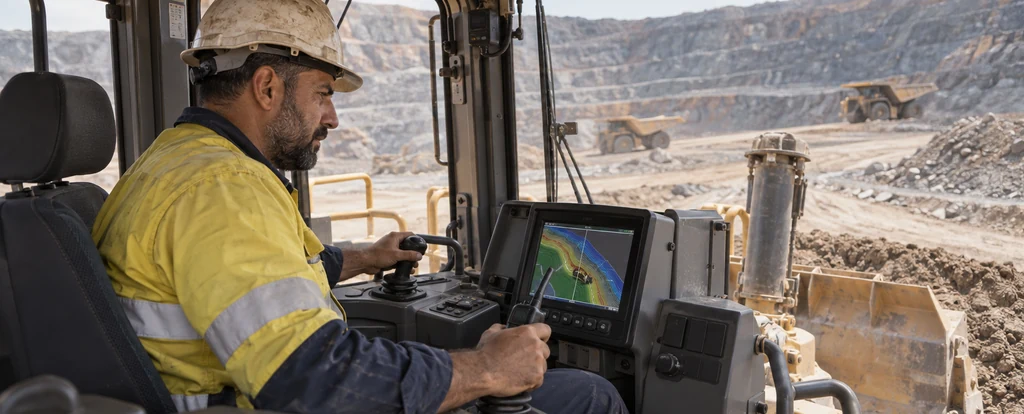
Bulldozer operators spend their days in the cab of a tracked machine on civil construction, mining and road projects, often on sites well away from a city. They differ from excavator operators, who dig and load, and from grader operators, who finish a surface: the dozer does the bulk cutting, pushing and filling that gets a site close to design level. Most machines now carry GPS grade control, which shows the operator the design surface and how much material still has to move.
How much do bulldozer operators earn?
The median full-time salary for a bulldozer operator is $106,600 per annum, before tax, up $22,200 since 2018.
Pay moves with the sector and the roster more than with the machine itself. Mine sites and remote civil projects pay above metropolitan construction work, and FIFO or long-shift rosters add allowances that lift the annual total. Enterprise agreements, overtime and penalty rates all make a difference, and operators who buy their own machine and contract out the work tend to quote by the job rather than the hour.
What does a bulldozer operator do day to day?
The list below is what fills most weeks; the exact mix shifts with seniority and whatever stage the current work is at.
- Operating a tracked bulldozer to clear vegetation, topsoil and debris
- Cutting, filling and levelling ground to the design grade, using GPS machine control to hold levels
- Reading site plans, survey markers and grade stakes and checking them against the machine display
- Running pre-start checks, refuelling and routine servicing, and reporting faults before they stop the machine
- Working to site safety, traffic and environmental controls, including dust suppression and exclusion zones
What skills do bulldozer operators need?
Employers look for plant and equipment operation, worksite safety management, installation and maintenance, backed by Trimble Earthworks fluency and strong physical stamina and dexterity.
Specialist skills
- Plant and equipment operation
- Worksite safety management
- Installation and maintenance
- Reading plans and specifications
Software and tools
- Trimble Earthworks
- Topcon 3D-MC
- Caterpillar Grade Control
- Komatsu iMC
- Two-way radio
General skills
- Physical stamina and dexterity
- Attention to detail
- Problem solving
Is the job growing?
About 1,500 people work as bulldozer operators in Australia, and employment is projected to grow 4.3% over the decade to 2035. That's modest growth: demand is steady rather than booming.
How do you become a bulldozer operator?
Here's the path most bulldozer operators take, step by step.
- 1Get a construction induction card
The White Card is required before you can set foot on a construction site in any state, and it is usually the first thing an employer checks. It is a short course with an assessment, and a good moment to ask about the plant qualifications and machine assessments that come next.
- 2Complete a Certificate III in Civil Construction Plant Operations
This is the standard qualification for the role, delivered by registered training organisations and combining theory with supervised time on machines. A Certificate II in civil construction (RII20720) is a common starting point, and some operators begin as labourers and pick up the qualification while working.
- 3Build logged hours on a dozer and complete a verification of competency
Employers and mine sites ask for evidence that you can operate this specific machine, not just plant in general. Assessment happens on site through the employer or a registered training organisation, and the hours you log are what get you the next job.
- 4Add the requirements for the sector you are targeting
Mine sites typically want a site-specific induction, health and fitness assessments and sometimes a coal board medical, with Queensland coal requiring the Standard 11. Civil construction leans on the White Card plus traffic management training, so the extra steps depend on where you want to work.
Ready to apply as a bulldozer operator?
Whether you're working toward becoming a bulldozer operator or already are one and want a hand with the next step (sharpening your resume for ATS screening, tightening your cover letter, or knowing what you'll actually be asked at interview), here are examples grounded in this specific role, not generic templates.
What jobs can a bulldozer operator move to?
Moving into Miner typically comes with the biggest pay rise, worth $44,600 a year more on average.
| Move to | Typical pay change | Overlap | Retraining |
|---|---|---|---|
| Miner Bulldozer operators bring ground clearing and shaping skills to mining, though underground work and drilling require further training.Known move | +$44,600 | 33% | reskill |
| Earthmoving Plant Operator Bulldozer operators move into broader earthmoving plant operation, applying their tracked machine skills to excavating, loading and site preparation.Known move | −$3,600 | 75% | minimal |
| Grader Operator Bulldozer operators can move to grader operation, using their experience in ground shaping and compaction to finish surfaces accurately. | −$5,200 | 69% | minimal |
| Backhoe Operator Bulldozer operators can move to backhoe operation, applying their certification and earthmoving skills to trenching and excavation work. | −$7,800 | 78% | minimal |
| Machine Operator Bulldozer operators can move into machine operation, using their plant control experience in manufacturing, but need retraining for fixed plant.Known move | −$25,800 | 36% | reskill |
Moves are chosen from Jobs and Skills Australia's Data on Occupation Mobility, which follows income tax records between 2011-12 and 2020-21, together with entry requirements and skill overlap. A known move is one people were seen making in that data. Pay change compares median full-time pay for the two roles.
Who works as a bulldozer operator?
The typical bulldozer operator is 48 years old; 97% are men, 91% work full-time, and full-timers average 60 hours a week.
- 48
- Median age
- 3%
- Female share
- 91%
- Full-time
- +20h
- vs all-jobs avg
What's it like being a bulldozer operator?
The day is long and largely solo: an operator works from a plan set by surveyors and supervisors, then spends hours in the cab cutting and pushing until the surface matches the design. Full-time hours average 60 a week, and mine and remote projects often run long shifts in blocks, so the role suits someone who is content with their own company and steady concentration. Weather, dust and machine breakdowns set the pace as much as the operator does.
What people like
- You can see what you changed. A cut that was scrub and rock in the morning is at design level by the end of the shift, and the difference is visible from the seat.
- The grade check settles it. When the surveyor confirms the surface, there is no argument about whether the work was done well, which suits people who like a clear result.
- Quiet, self-directed work. Once you know the plan, you largely run the day yourself, with the two-way radio for instructions and safety calls rather than constant supervision.
- Roster time off comes in blocks. Mine and remote work usually trades long shifts for several days off in a row, which appeals to operators who would rather have whole days than a short commute.
What people find hard
- Dust, heat and noise all day. An air-conditioned cab helps, but the vibration, engine noise and fine dust still wear you down over a long shift, and the machine needs regular cleaning and filter changes.
- Long shifts and time away from home. FIFO and remote rosters mean weeks on site, and the working week is well above a standard office week, which is hard on family life.
- Rain stops the job. Wet ground closes sites and softens the material you are working, so a run of bad weather can cut your hours and your pay with it.
- Program pressure from above. Supervisors and clients push for metres moved, and when a machine breaks down or a truck queue backs up, the pressure falls on the operator in the seat.
Based on our synthesis of professional-body surveys and public accounts of the role, not first-person verified reviews.
Which industries employ bulldozer operators?
Mining employs the largest share of bulldozer operators, followed by Construction.
Top employing industries
- 1Mining
- 2Construction
- 3Agriculture, Forestry and Fishing
Ranked by employment share; the source doesn't publish an exact percentage per industry.
| Year 12 or below | 63.6% | |
|---|---|---|
| Certificate III/IV | 28.6% | |
| Diploma / Advanced Diploma | 2% | |
| Bachelor degree | 1.1% | |
| Postgraduate | 0.2% |
Will AI replace bulldozer operators?
Bulldozer operation is only lightly exposed to AI overall. GPS machine control and grade guidance already handle part of the thinking by showing the operator the design surface and how much cut or fill remains, but the machine still has to be driven. Ground that changes under the blade, from soft patches to buried services, is read by the operator in the seat rather than by software.
Share of typical working time by exposure level
- Cutting, filling and shaping groundHow the material loads and moves in front of the blade is judged by feel, and mixed site conditions still defeat any automatic system.35%low
- Working safely around other plant and peopleProximity alarms and cameras help, but the operator and the spotter still manage traffic movement on a live site.25%low
- Running GPS machine control to hold design gradeThe display shows the cut and fill in real time and removes a lot of staking and checking, but someone still has to steer and work the blade to match it.20%moderate
- Pre-start checks, servicing and fault reportingFluid levels, tracks and hydraulics are checked by hand, though some machines log faults electronically and speed up diagnosis.20%low
Common questions about becoming a bulldozer operator
Straight answers to the questions people ask most.
How much does a bulldozer operator earn?
Bulldozer operators earn a median of $106,600 per annum, before tax, for full-time work. Sector matters more than anything else: mine sites and remote civil projects pay above metropolitan construction, and roster allowances, enterprise agreements and overtime all lift the total.
How do you become a bulldozer operator?
Most operators start with a White Card, complete a Certificate III in Civil Construction Plant Operations (RII30826) and then build supervised hours on the machine. A verification of competency on a dozer is what employers actually ask for, because it proves you can operate that machine, not just hold a qualification.
Are bulldozer operators in demand?
Bulldozer operators are currently in shortage nationally, and employment in the role is projected to grow 4.3% over the decade to 2035 over the decade. It is a small occupation, so openings often come from experienced operators moving into other plant or leaving the industry, and demand follows major road, rail, mining and subdivision projects.
Will AI replace bulldozer operators?
GPS machine control already does part of the job by showing the operator the design surface and how much material is left to move, but it does not drive the machine. Reading ground that changes under the blade, working around people and other plant, and reacting to soft patches or buried services still happen in the seat, which is why the role is only lightly exposed to automation.
What jobs can a bulldozer operator move into?
Moving into broader earthmoving plant operation is a common step and pays $3,600 less, while grader work uses much the same ground-shaping skill and pays $5,200 less. Mine work pays $44,600 more, though underground or drilling roles need retraining. Some experienced operators eventually buy their own machine and contract the work out, which is often where earnings grow.
What licences and qualifications does a bulldozer operator need?
There is no separate national bulldozer licence. You need a White Card to work on a construction site, a qualification such as a Certificate III in Civil Construction Plant Operations, and a verification of competency on the specific machine, and mine sites add their own inductions and health checks.
Specialisation of
Related roles
- Earthmoving Plant Operator
- Miner
- Machine Operator
- Backhoe Operator
- Grader Operator
- Earthmoving Plant Operator
Not sure this is you? Take the career quiz and get a ranked shortlist of roles that fit how you like to work.