Chauffeur
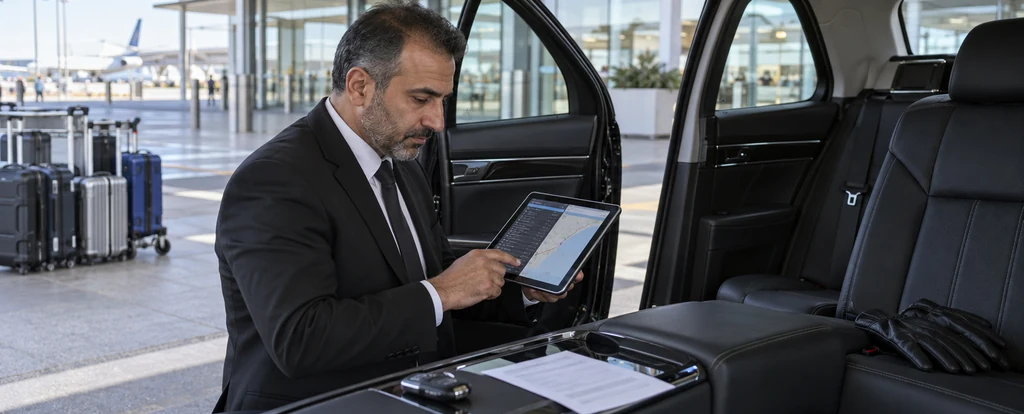
Chauffeurs drive private passengers to booked destinations, usually in a sedan, people mover or limousine.
- Median salary*
- $57,200
4.2%vs last year, before tax
- People employed
- 1,900
0.0%vs last year
- Projected growth
- +9.3%
to 2035
- AI exposure*
- Moderate
- automation risk
- Average hours
- 44/wk
+4h vs all jobs
- Shortage status
- Not in shortage
national
Most chauffeurs work for a hire car company, a hotel or an executive car service, and some drive their own accredited vehicle as owner-drivers. The work is booked in advance rather than hailed on the street, so the day is planned around a schedule of pick-ups. Presentation and discretion matter as much as the driving, because clients are paying for how the trip is handled as well as where it ends.
How much do chauffeurs earn?
The median full-time salary for a chauffeur is $57,200 per annum, before tax, up $12,000 since 2018.
Employee chauffeurs are usually paid by the hour under the passenger vehicle transport award, which sets penalty rates for nights, weekends and public holidays. Owner-drivers are paid differently, through a share of the fare or a company split, and they carry the cost of the car, fuel, insurance and cleaning before they take anything home. Corporate account work tends to pay more steadily than one-off private bookings.
What does a chauffeur do day to day?
The list below is what fills most weeks; the exact mix shifts with seniority and whatever stage the current work is at.
- Driving passengers to booked pick-ups and destinations, allowing for traffic, roadworks and late flights
- Loading and unloading luggage and seeing passengers to the door
- Keeping the vehicle clean, fuelled and serviced between jobs
- Planning the route before a trip and checking flight arrivals for airport runs
- Recording trip details and handling payment or account billing for corporate clients
What skills do chauffeurs need?
Employers look for driving and transport operations, operations management, backed by Google Maps fluency and strong customer service.
Specialist skills
- Driving and transport operations
- Operations management
Software and tools
- Google Maps
- Waze
- Blacklane
- Uber
- FlightRadar24
General skills
- Customer service
- Written communication
- Attention to detail
- Safety and compliance awareness
- Time and deadline management
Is the job growing?
About 1,900 people work as chauffeurs in Australia, and employment is projected to grow 9.3% over the decade to 2035. That's modest growth: demand is steady rather than booming.
How do you become a chauffeur?
Here's the path most chauffeurs take, step by step.
- 1Hold a full car licence with a clean driving record
Hire car work generally needs a full licence rather than a probationary one, and accreditation bodies check your traffic history, so a suspension or a run of demerit points will hold an application up.
- 2Get accredited to drive a commercial passenger vehicle
Each state and territory runs its own scheme, usually involving a police check, a medical and a working with children check, and it has to be renewed. Check the rules where you plan to work, because the name of the accreditation and what it covers differ.
- 3Sort out a vehicle
You can drive for a hire car company in their car, or buy or lease your own. An owner-driver vehicle has to be registered as a commercial passenger vehicle and meet your state's standards for age, condition and signage.
- 4Build a client base in the market you want
Corporate accounts, hotel concierge desks, weddings and events each bring a different rhythm. Account work is steadier, while events and weekend bookings pay more per job but arrive less predictably.
- 5Consider a Certificate III in Driving Operations if you want a credential
Most chauffeurs come into the job without a formal qualification and learn the client side on the job. The certificate is the recognised road transport qualification and can help if you later move into bus or truck driving.
Ready to apply as a chauffeur?
Whether you're working toward becoming a chauffeur or already are one and want a hand with the next step (sharpening your resume for ATS screening, tightening your cover letter, or knowing what you'll actually be asked at interview), here are examples grounded in this specific role, not generic templates.
What jobs can a chauffeur move to?
Moving into Truck Driver typically comes with the biggest pay rise, worth $44,700 a year more on average.
| Move to | Typical pay change | Overlap | Retraining |
|---|---|---|---|
| Truck Driver Chauffeurs bring road safety and vehicle handling to truck driving, though a heavy vehicle licence and load training are required.Known move | +$44,700 | 47% | short course |
| Bus Driver Chauffeurs bring passenger care and safe driving to bus driving, but a bus licence and passenger endorsement need substantial retraining.Known move | +$36,100 | 44% | reskill |
| Delivery Driver Chauffeurs bring navigation and safe driving to delivery driving, with a short course covering parcel handling and routing.Known move | +$10,800 | 47% | short course |
| Taxi Driver Chauffeurs bring private passenger driving and local knowledge to taxi driving, needing only minimal retraining for licensing.Known move | −$2,600 | 83% | minimal |
Moves are chosen from Jobs and Skills Australia's Data on Occupation Mobility, which follows income tax records between 2011-12 and 2020-21, together with entry requirements and skill overlap. A known move is one people were seen making in that data. Pay change compares median full-time pay for the two roles.
Who works as a chauffeur?
The typical chauffeur is 59 years old; 90% are men, 34% work full-time, and full-timers average 44 hours a week.
- 59
- Median age
- 10%
- Female share
- 34%
- Full-time
- +4h
- vs all-jobs avg
What's it like being a chauffeur?
The job runs on bookings rather than a shift on a rank, so the day has peaks around the morning airport run, the corporate day and the evening's events, with long waits in between. Punctuality and presentation carry more weight than speed, and most of the work is done alone. It suits people who are comfortable driving for hours, enjoy meeting passengers briefly and would rather manage their own day than sit in an office.
What people like
- Quiet, self-directed days. Between jobs you are your own company, and much of the work is driving, waiting and reading rather than answering to a manager.
- Regular clients who ask for you. Corporate accounts and hotel work build familiar faces, and a passenger who requests you by name is the main way the income becomes predictable.
- A well-kept car reflects your work. Presentation is part of the job, so a clean car, an on-time pick-up and a suit that fits are things you control directly.
- No two runs look the same. An airport transfer, a wedding and a corporate roadshow can all fall in the same week, which keeps the driving from feeling like one long commute.
What people find hard
- Long stretches of waiting. Airport pick-ups and event work mean arriving early and waiting, often unpaid or at a reduced rate, until the passenger appears.
- Early starts and late finishes. Airport runs begin before dawn and event work finishes after midnight, and weekends and public holidays are among the busiest times.
- Delays you cannot control. A delayed flight or a closed road shifts the whole day, and the passenger's frustration usually lands on the driver.
- Costs sit with owner-drivers. If you own the car, fuel, insurance, cleaning, registration and maintenance all come out of what the vehicle earns.
Based on our synthesis of professional-body surveys and public accounts of the role, not first-person verified reviews.
Which industries employ chauffeurs?
Transport, Postal and Warehousing employs the largest share of chauffeurs, followed by Public Administration and Safety.
Top employing industries
- 1Transport, Postal and Warehousing
- 2Public Administration and Safety
Ranked by employment share; the source doesn't publish an exact percentage per industry.
| Year 12 or below | 43.4% | |
|---|---|---|
| Certificate III/IV | 19.7% | |
| Bachelor degree | 13.3% | |
| Diploma / Advanced Diploma | 12.8% | |
| Postgraduate | 5% |
Will AI replace chauffeurs?
Chauffeur work is moderately exposed: the booking, dispatch, routing and payment layers of the job have largely moved to apps, while the driving and the client-facing side have not. Fully driverless passenger services are still at trial stage in Australia, so a person at the wheel is still what clients are paying for.
Share of typical working time by exposure level
- Driving in city trafficCongestion, roadworks and wet weather still need a person at the wheel, and passengers judge the trip by how smooth it feels.40%low
- Client service and discretionGreeting passengers, handling luggage and keeping what is said in the car private are part of every booking, and none of it automates easily.25%low
- Routing and timing around flights and eventsNavigation apps and live flight tracking such as FlightRadar24 do much of the planning, though the chauffeur still decides when to leave and where to wait.20%moderate
- Bookings, dispatch and paymentPlatforms such as Blacklane and Uber allocate jobs, invoice clients and take card payments, leaving the driver to accept work and manage the day.15%high
Common questions about becoming a chauffeur
Straight answers to the questions people ask most.
How much does a chauffeur earn?
Chauffeurs earn a median of $57,200 per year before tax. What you take home depends on whether you are employed by a hire car company or driving your own accredited vehicle, and on the mix of corporate accounts, airport transfers and weekend or evening work you can line up.
How do you become a chauffeur?
Hold a full car licence, get accredited to drive a commercial passenger vehicle in your state, then apply to a hire car company or set up as an owner-driver. Employers look for a clean driving record, a smart appearance and the discretion to work around private clients.
Are chauffeurs in demand?
Chauffeurs are currently not in shortage, and employment is projected to grow 9.3% over the decade to 2035. The occupation is small, so openings also come from drivers leaving the job or moving into other transport work, and corporate and hotel accounts are worth targeting if you want steady bookings.
Will AI replace chauffeurs?
Booking, dispatch, payment and navigation are already handled by apps and platform software, which removes much of the admin from the job. The driving and the client service around it are less exposed, and fully driverless passenger services are still at trial stage in Australia.
What is the difference between a chauffeur and a taxi driver?
A chauffeur is booked in advance, often through a company or a corporate account, and the job includes presentation, waiting time and discretion. Taxi drivers generally pick up fares from a rank or a hail, so less of their day is planned ahead.
What can a chauffeur move into?
Chauffeurs often move sideways into taxi or delivery driving, which use the same road and passenger-handling skills, with delivery driving paying $10,800 more and taxi driving $2,600 less. Moving up to bus or truck driving pays more, at $36,100 more and $44,700 more, but both need a heavier licence and passenger endorsement. Many chauffeurs instead stay and build their own hire car business or work as an owner-driver, which is often where earnings grow.
Related roles
Not sure this is you? Take the career quiz and get a ranked shortlist of roles that fit how you like to work.