Deck Officer
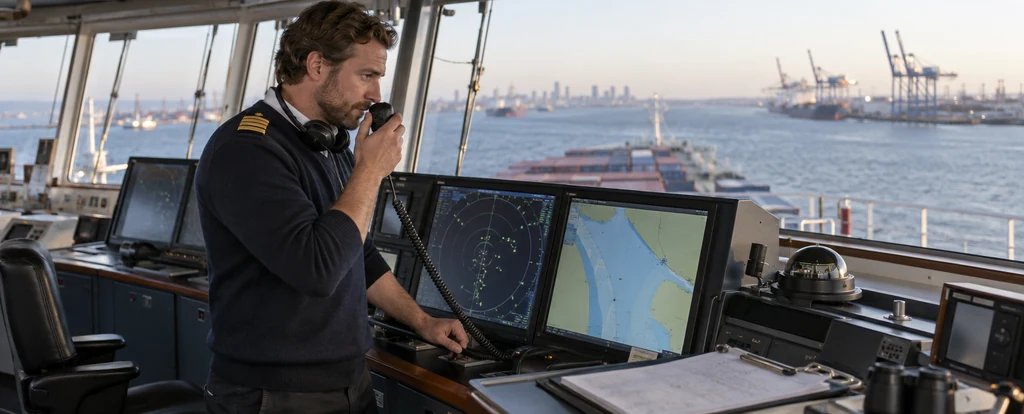
Deck officers keep a ship on course, running the bridge watch and managing the deck crew, cargo and safety systems on board.
- Median salary*
- $135,200
3.7%vs last year, before tax
- People employed
- 550
10.0%vs last year
- Projected growth
- +12%
to 2035
- AI exposure*
- Moderate
- automation risk
- Average hours
- 61/wk
+21h vs all jobs
- Shortage status
- In shortage
national
Deck officers stand navigational watches on a ship's bridge, planning the passage and keeping the vessel clear of traffic, shoals and weather. They also supervise deck crew, oversee loading and ballast, and hold the paperwork that shows the ship meets maritime safety and environmental rules. The role sits between deckhand and captain, and most work on commercial vessels, offshore supply ships, ferries or Defence craft.
How much do deck officers earn?
The median full-time salary for a deck officer is $135,200 per annum, before tax, up $27,800 since 2018.
Pay depends heavily on the vessel and the sector, with offshore, resource-sector and international shipping work paying more than ferries and harbour operations. The certificate you hold matters too, since chief mate and master roles sit on higher pay scales, and longer swings away from home usually attract more. Sector enterprise agreements set much of the base rate, and allowances for sea time and remote ports add to it.
What does a deck officer do day to day?
The list below is what fills most weeks; the exact mix shifts with seniority and whatever stage the current work is at.
- Standing bridge watches, keeping the vessel on its planned track and clear of other traffic
- Planning passages and adjusting them for weather, tides and port instructions
- Testing and maintaining navigation and safety equipment such as radar and electronic charts
- Supervising deck crew during mooring, anchoring and cargo or ballast operations
- Running safety drills and keeping the vessel's records ready for inspections
What skills do deck officers need?
Employers look for operations management, backed by ECDIS fluency and strong safety and compliance awareness.
Specialist skills
- Operations management
Software and tools
- ECDIS
- Radar and ARPA
- Automatic Identification System (AIS)
- Electronic chart systems (Kongsberg, Furuno)
- Ship's bridge navigation systems
General skills
- Safety and compliance awareness
- Attention to detail
- Problem solving
- Time and deadline management
- Written communication
- People leadership
Is the job growing?
About 550 people work as deck officers in Australia, and employment is projected to grow 12% over the decade to 2035. That's healthy, above-average growth, and the role should stay in solid demand.
How do you become a deck officer?
Here's the path most deck officers take, step by step.
- 1Complete a maritime qualification
The Diploma of Maritime Operations (MAR50320) (Watchkeeper Deck) at a maritime college or TAFE is the usual route and takes about two years. A Bachelor of Nautical Science at the Australian Maritime College in Launceston is an alternative, and some officers start with a Certificate III or IV and work up from there.
- 2Build the required sea time
AMSA issues a certificate of competency only after you have logged a set amount of sea service, so most people spend that time as a cadet or deckhand on commercial vessels. It is paid work, and it is where the practical side of ship handling is learned.
- 3Finish the short safety courses and medical
Before going to sea you need the courses covering firefighting, first aid, survival at sea and personal safety, plus a medical and eyesight assessment to AMSA's standard. These are recognised internationally, which is why foreign-flagged ships require them as well.
- 4Get your Watchkeeper Deck certificate of competency
AMSA issues this certificate once the qualification, sea time, courses and medical are all in place. It is what legally allows you to keep a navigational watch, and it is the point where most people start applying for officer roles.
Ready to apply as a deck officer?
Whether you're working toward becoming a deck officer or already are one and want a hand with the next step (sharpening your resume for ATS screening, tightening your cover letter, or knowing what you'll actually be asked at interview), here are examples grounded in this specific role, not generic templates.
What jobs can a deck officer move to?
Moving into Defence Force Officer typically comes with the biggest pay rise, worth $49,000 a year more on average.
| Move to | Typical pay change | Overlap | Retraining |
|---|---|---|---|
| Defence Force Officer Deck officer's leadership and maritime operations experience transfer to defence, though officer training and a degree are required.Known move | +$49,000 | 23% | requalify |
| Ship Captain Deck officer's navigation, watchkeeping and vessel handling carry into command, though a master certificate is needed.Known move | +$39,800 | 29% | reskill |
| Marine Pilot Deck officer's ship handling and local waters knowledge suit pilotage, but pilot endorsement and extensive sea time are required. | +$10,400 | 100% | requalify |
| Vessel Traffic Service Operator Deck officer's navigation and communication skills suit monitoring vessel traffic, with a short course covering shore-based systems. | −$46,800 | 50% | short course |
Moves are chosen from Jobs and Skills Australia's Data on Occupation Mobility, which follows income tax records between 2011-12 and 2020-21, together with entry requirements and skill overlap. A known move is one people were seen making in that data. Pay change compares median full-time pay for the two roles.
Who works as a deck officer?
The typical deck officer is 40 years old; 90% are men, 94% work full-time, and full-timers average 61 hours a week.
- 40
- Median age
- 10%
- Female share
- 94%
- Full-time
- +21h
- vs all-jobs avg
What's it like being a deck officer?
A deck officer's week follows the ship's roster: watches, port calls, cargo work and paperwork, with little difference between weekdays and weekends while at sea. The work is technical and the responsibility is real, so it suits someone steady under pressure who can live with long stretches away from home. Larger vessels carry several officers under a clear rank structure, while on smaller ones you may cover the duties of two or three ranks.
What people like
- The watch has its own quiet rhythm. On a night watch there may be two people on the bridge, and for four hours the navigation decisions are yours to make and record.
- The navigation work is genuinely technical. Plotting targets on radar, working with electronic charts and handing the ship over to a licensed pilot for berthing are skills you keep sharpening.
- Small crews mean early responsibility. On a vessel with a handful of officers you can be supervising cargo, stability and crew within a couple of years of qualifying.
- The certificate travels. STCW certification is recognised overseas, so the work can take you onto foreign-flagged ships and into ports well beyond Australia.
What people find hard
- Long stretches away from home. International voyages and offshore swings can mean weeks or months on board, and that shapes family life and friendships on shore.
- Fatigue comes with the roster. Full-time deck officers average around 61 hours a week, with watches running through the night and interrupted rest in port.
- The paperwork never really stops. Safety management systems, cargo documentation and inspections by port authorities all need records kept to a standard, and that falls on the officer on watch.
- Weather and delays are out of your hands. Schedules move when a port is congested or a swell makes mooring unsafe, and the crew absorbs the disruption.
Based on our synthesis of professional-body surveys and public accounts of the role, not first-person verified reviews.
Which industries employ deck officers?
Transport, Postal and Warehousing employs the largest share of deck officers, followed by Public Administration and Safety.
Top employing industries
- 1Transport, Postal and Warehousing
- 2Public Administration and Safety
Ranked by employment share; the source doesn't publish an exact percentage per industry.
| Diploma / Advanced Diploma | 35.2% | |
|---|---|---|
| Bachelor degree | 30.5% | |
| Certificate III/IV | 13.9% | |
| Year 12 or below | 10.2% | |
| Postgraduate | 4% |
Will AI replace deck officers?
Exposure is moderate: the bridge has run on automated systems for decades, and newer tools mostly sharpen passage planning, monitoring and reporting rather than removing the officer. Responsibility for the ship still rests with the officer of the watch, so the job keeps shifting towards overseeing systems and less towards reading instruments by hand.
Share of typical working time by exposure level
- Bridge watchkeeping and collision avoidanceARPA and AIS flag targets and predict their tracks, while the decision to alter course, slow down or call the master in a close-quarters situation stays with the officer.35%moderate
- Passage planning and route optimisationSoftware can propose a route using weather, fuel and traffic data, but the officer still checks it against charts, notices to mariners and local port restrictions.25%high
- Cargo, ballast and stability calculationsLoading computers work out stress and stability figures quickly, but the officer still checks the plan against the vessel's limits and supervises the actual loading.25%moderate
- Crew supervision, drills and inspectionsTraining deck crew, running abandon-ship and fire drills, and talking a port state control inspector through the vessel's records are done in person on board.15%low
Moves least exposed to AI
These career moves from deck officer work are rated low for AI exposure:
- Marine Pilot
High skill overlap (100%), requalify to get there, and a low automation-risk profile.
- Defence Force Officer
Some skill overlap (23%), requalify to get there, and a low automation-risk profile.
Common questions about becoming a deck officer
Straight answers to the questions people ask most.
How much do deck officers earn?
The median for full-time deck officers is $135,200 per year before tax. What you actually earn varies with the certificate you hold, the type of vessel, the sector and the roster you work.
How do you become a deck officer?
You need a maritime qualification, logged sea time and the STCW safety courses before AMSA, the Australian Maritime Safety Authority, issues your certificate of competency. A Diploma of Maritime Operations (MAR50320) (Watchkeeper Deck) is the usual qualification, with a nautical science degree as an alternative. Most people gather their sea time as a cadet or deckhand first.
Are deck officers in demand in Australia?
Deck officers are currently in shortage nationally, and employment in the occupation is projected to grow 12% over the decade to 2035. The occupation is small, so a handful of retirements or new vessels moves the numbers, and offshore, coastal and harbour operators all recruit from the same pool of certificated officers.
Will AI and automation replace deck officers?
Not the officer, but the bridge has been automated for decades and that continues. Autopilot, electronic charts and ARPA already handle steering, position fixing and target tracking, and newer tools add route optimisation, fuel advice and automated reporting. Deciding a close-quarters situation, handling the ship in heavy weather, supervising mooring and answering to inspectors remain the officer's job.
What can a deck officer move into?
Command is the usual step, and ship captains earn $39,800 more on the strength of the same navigation and watchkeeping background, though a master certificate is required first. Moving ashore into vessel traffic services, where the difference is $46,800 less, suits officers who want a regular roster and shore-based hours. Both moves build on the watchkeeping and ship handling you already do rather than starting again.
What are the hours like?
Full-time deck officers average around 61 hours a week, which reflects watches running around the clock rather than a fixed working day. Rosters vary widely, from a week on and a week off on harbour craft to several months on board on international voyages.
Related roles
- Ship Captain
- Marine Pilot
- Defence Force Officer
- Vessel Traffic Service Operator
- Deckhand
- Defence Force Member
Not sure this is you? Take the career quiz and get a ranked shortlist of roles that fit how you like to work.