Pilot
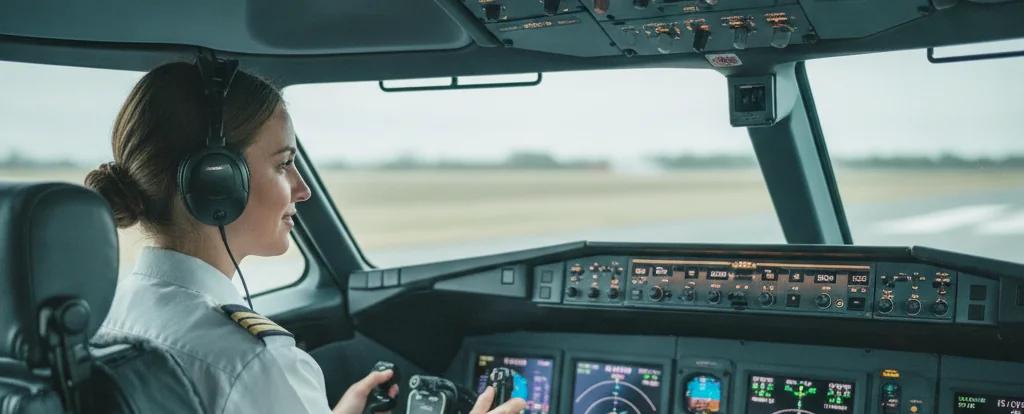
Pilots fly the aircraft that carry passengers, freight and mail, and they hold the final say on whether a flight goes ahead and how it is flown.
- Median salary
- $137,900
3.8%vs last year, before tax
- People employed
- 8,200
1.2%vs last year
- Projected growth
- +13.7%
to 2035
- AI exposure*
- Low
- automation risk
- Average hours
- 44/wk
+4h vs all jobs
- Shortage status
- In shortage
national
Pilots work for airlines, charter operators, freight carriers, aeromedical services and regional operators, flying anything from a single-engine turboprop to a wide-body jet. The role is built around procedure: flight planning on the ground, a pre-flight inspection, then command of the aircraft and crew once the doors close. That is what separates them from air traffic controllers, who direct traffic from the ground while the pilots make the real-time calls in the air. Licensing sits with CASA, and every pilot holds a Class 1 medical along with type and instrument ratings kept current through recurrent checks.
How much do pilots earn?
The median full-time salary for a pilot is $137,900 per annum, before tax, up $28,500 since 2018.
Pay scales with rank and the aircraft you fly, so a first officer on a regional turboprop earns less than a captain on a wide-body jet. Airline enterprise agreements set most rates and add allowances for night sectors, layovers and time away from base. Charter, aeromedical and mustering operators set their own rates, and low-hour pilots often earn less again while building the hours that airline recruiters look for.
What does a pilot do day to day?
The list below is what fills most weeks; the exact mix shifts with seniority and whatever stage the current work is at.
- Walking around the aircraft before the first sector, checking fuel, tyres, fluid levels and any visible damage, then signing off the daily inspection
- Briefing the first officer and cabin crew on the route, the weather and any expected turbulence before pushback
- Flying the take-off and approach by hand, and monitoring the autopilot and flight management system through the cruise
- Reworking the fuel plan and alternate airfields in the air when a storm, a diversion or a technical fault overturns the original plan
- Sitting recurrent simulator sessions and route checks each year to keep the type rating and instrument rating current
What skills do pilots need?
Employers look for operations management, risk and internal controls, backed by Flight management systems (FMS) fluency and strong problem solving.
Specialist skills
- Operations management
- Risk and internal controls
Software and tools
- Flight management systems (FMS)
- Glass cockpit avionics
- Radio communication equipment
- Weather radar and navigation systems
- Flight simulator training devices
General skills
- Problem solving
- Written communication
- Attention to detail
- Time and deadline management
- Safety and compliance awareness
Is the job growing?
About 8,200 people work as pilots in Australia, and employment is projected to grow 13.7% over the decade to 2035. That's healthy, above-average growth, and the role should stay in solid demand.
How do you become a pilot?
Here's the path most pilots take, step by step.
- 1Get a Class 1 aviation medical before you commit to training
A CASA-appointed medical examiner issues it, and a commercial career depends on holding one. It is worth knowing early whether your health rules out the licence, because the flight training comes first in every other sense.
- 2Learn to fly through a flying school
Most people start with a recreational licence and then a private pilot licence, flying single-engine aircraft with an instructor. University and TAFE aviation programs combine this training with a diploma or degree, which suits school leavers who want the flying hours and a qualification in the same course.
- 3Complete a Commercial Pilot Licence with multi-engine and instrument ratings
The commercial licence is the minimum for paid flying and needs around 200 hours of flight time, plus theory exams and a flight test. Multi-engine command and an instrument rating come next, and most people fund the whole sequence themselves, which makes it one of the more expensive qualifications to enter.
- 4Build hours in a first flying job
New commercial pilots usually start as flight instructors, charter or freight pilots, or in aeromedical and mustering work, logging the hours and experience that airlines ask for. This stage can take several years and often means a move to a regional base.
- 5Apply for an airline cadetship or direct entry, then work towards command
Airlines recruit from cadet programs and from the charter and instructing pool, putting new hires through type training on their aircraft. Command upgrade comes later, along with the exams for an Air Transport Pilot Licence.
Ready to apply as a pilot?
Whether you're working toward becoming a pilot or already are one and want a hand with the next step (sharpening your resume for ATS screening, tightening your cover letter, or knowing what you'll actually be asked at interview), here are examples grounded in this specific role, not generic templates.
What jobs can a pilot move to?
Moving into Defence Force Officer typically comes with the biggest pay rise, worth $46,300 a year more on average.
| Move to | Typical pay change | Overlap | Retraining |
|---|---|---|---|
| Defence Force Officer Pilots bring aviation expertise and discipline to defence force officer roles, though military officer training and commissioning are required.Known move | +$46,300 | 32% | requalify |
| Helicopter Pilot Pilots bring fixed-wing experience to helicopter operations but need a helicopter type rating and conversion training.Known move | −$18,300 | 41% | requalify |
| Flying Instructor Pilots bring flight experience and instructional knowledge to flying instructor roles, though an instructor rating and training are required.Known move | −$46,900 | 25% | reskill |
Moves are chosen from Jobs and Skills Australia's Data on Occupation Mobility, which follows income tax records between 2011-12 and 2020-21, together with entry requirements and skill overlap. A known move is one people were seen making in that data. Pay change compares median full-time pay for the two roles.
Who works as a pilot?
The typical pilot is 41 years old; 93% are men, 61% work full-time, and full-timers average 44 hours a week.
- 41
- Median age
- 7%
- Female share
- 61%
- Full-time
- +4h
- vs all-jobs avg
What's it like being a pilot?
The job has a strong rhythm: sign on, inspect the aircraft, brief, fly, hand over, rest, then repeat on the next sector. Cruise is heavily automated, so the concentration sits in the busy phases of flight and in the calls you make when weather or a fault interrupts the plan. The roster, the early starts and the nights away shape who stays in the job as much as flying skill does.
What people like
- Flying is the actual job. The handling on departure and approach belongs to you, and the view from the flight deck on a clear morning is part of an ordinary working day rather than a holiday.
- Days off come in blocks. Rosters usually group days off together, so time away from work arrives in longer stretches than a standard Monday to Friday job, even though weekends and public holidays are part of the pattern.
- The responsibility is clear. Each sector has a beginning, a defined set of decisions and an end, and you know exactly what you are accountable for while the flight is running.
- Progression is well defined. Moving from first officer to captain, or from a turboprop to a jet, follows hours, endorsements and seniority rather than office politics, so the path ahead is unusually visible.
What people find hard
- Fatigue and broken sleep. Early sign-ons, night sectors and time zone changes disturb sleep, and while duty limits restrict how long you can be on, they do not stop the body clock from suffering.
- Long stretches away from home. Layovers and multi-day trips mean missed birthdays, school events and ordinary evenings, and the schedule is set by the roster rather than by you.
- Standby and short-notice changes. Reserve days and roster changes can be called at little notice, which makes it hard to commit to anything on your days off until you know they are really yours.
- The medical never stops. A Class 1 medical is renewed at intervals that shorten with age, and a change in health can end a flying career, which is a standing risk that other jobs do not carry.
Based on our synthesis of professional-body surveys and public accounts of the role, not first-person verified reviews.
Which industries employ pilots?
Transport, Postal and Warehousing employs the largest share of pilots, followed by Public Administration and Safety.
Top employing industries
- 1Transport, Postal and Warehousing
- 2Public Administration and Safety
Ranked by employment share; the source doesn't publish an exact percentage per industry.
| Diploma / Advanced Diploma | 33.4% | |
|---|---|---|
| Bachelor degree | 31.1% | |
| Year 12 or below | 16.4% | |
| Certificate III/IV | 8.6% | |
| Postgraduate | 7.2% |
Will AI replace pilots?
Pilot rates low for AI exposure. Autopilot and flight management systems have handled much of the cruise for decades, but they fly the route a pilot has set, and a licensed crew is still required in command under CASA rules. Weather, diversions, technical faults and the people in the cabin are dealt with on the flight deck, so automation changes how a sector is flown rather than whether a pilot is needed.
Share of typical working time by exposure level
- Monitoring the flight management system and autopilot in cruiseSoftware flies most of the cruise, so much of the time is spent checking that the aircraft is tracking the plan and taking over when it is not.30%moderate
- Hand-flying take-off, approach and landingAn autopilot can fly an approach to minimums, but handling the aircraft in strong wind, on a short runway or with an engine fault stays with the pilot.25%low
- Flight planning, fuel and weather decisionsDispatch software and planning tools assemble the route, fuel figures and forecasts, but the call to depart, hold or divert is made on the flight deck.25%moderate
- Pre-flight inspection and the walk-aroundLooking over the airframe, tyres and fluid levels before a sector is a hands-on check that no tool has replaced.20%low
Common questions about becoming a pilot
Straight answers to the questions people ask most.
How much do pilots earn?
Full-time pilots earn a median of $137,900 per year before tax, and that figure covers a wide range. Rank, the aircraft type and whether you fly for an airline or a charter operator move pay more than anything else.
How do you become a pilot?
You need a Class 1 aviation medical and a Commercial Pilot Licence from CASA, which calls for around 200 hours of flight time along with theory exams and a flight test. From there you build hours as an instructor or charter pilot before applying to an airline. The training is usually self-funded and takes a couple of years of full-time study and flying.
Are pilots in demand?
Pilots are currently in shortage nationally, and employment is projected to grow 13.7% over the decade to 2035 across the decade to 2035. That points to continuing hiring across airlines and charter operators, but the licence and the flying hours come first, so the number of people who can take up the work stays limited by training capacity and cost. If you are weighing up the career, the practical question is how you will fund the training and where you will build hours, not whether jobs exist at the end of it.
Will AI replace pilots?
Automation has flown the cruise leg for decades through autopilot and flight management systems, and it is genuinely good at that part of the job. What it does not do is decide whether to depart into deteriorating weather, handle an engine fault after take-off or deal with a cabin problem, and CASA licensing still requires a qualified crew in command. Expect more assistance in the flight deck rather than fewer pilots.
What can pilots move into?
Flight instruction is a common move and a standard way to build hours, though instructors earn $46,900 less than pilots overall. Converting to helicopters needs a type rating and conversion training and pays $18,300 less, while defence force officer roles draw on aviation experience and commissioning training, with pay around $46,300 more. Experienced pilots also start charter operations or flying schools, and owning the operation is often where earnings grow.
Do you need a degree to become a pilot?
No. The licence comes from flight training approved by CASA rather than from a university, and plenty of pilots enter through a private flying school. Many do hold a diploma or degree in aviation because university flight programs fold the flying hours into the course, which can make the training easier to fund and structure.
Related roles
- Flying Instructor
- Helicopter Pilot
- Defence Force Officer
- Flying Instructor
- Defence Force Officer
- Airport Ground Crew
Not sure this is you? Take the career quiz and get a ranked shortlist of roles that fit how you like to work.