Educational Psychologist
Educational psychologists work out why a student is struggling and what will help, by assessing learning, behaviour and development and reporting the results to schools and families.
- Median salary*
- $99,800
3.9%vs last year, before tax
- People employed
- 4,100
2.5%vs last year
- Projected growth
- +30.6%
to 2035
- AI exposure*
- Low
- automation risk
- Average hours
- 41/wk
+1h vs all jobs
- Shortage status
- In shortage
national
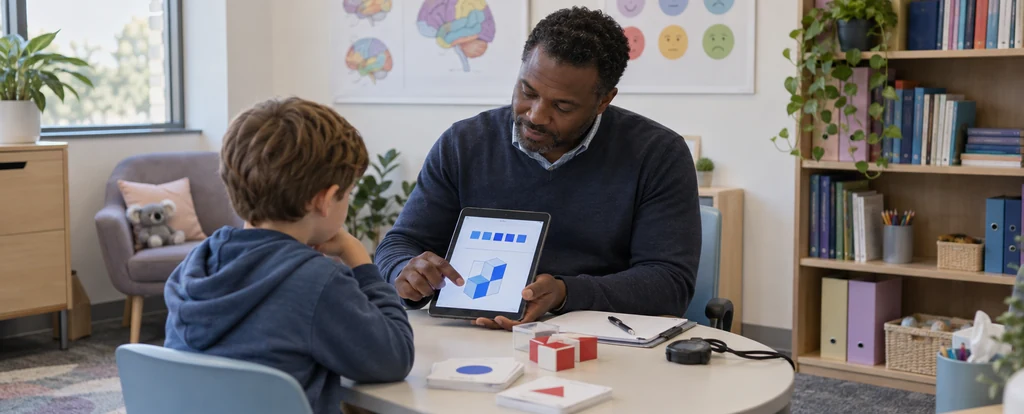
Most educational psychologists work in schools, for education departments, or in private practice, and their assessments feed into learning plans, funding applications and teaching adjustments. They are registered psychologists, and many hold endorsement in educational and developmental psychology from the Psychology Board of Australia, which is what separates them from school counsellors and from general psychologists. Much of the work happens one student at a time, and a single assessment can take several hours of testing before the reporting even starts.
How much do educational psychologists earn?
The median full-time salary for an educational psychologist is $99,800 per annum, before tax, up $20,700 since 2018.
Pay depends heavily on who employs you, since education department and school agreements set scales with step increases, while private practice income depends on how many clients you see and whether your endorsement attracts Medicare rebates. Endorsement, and the supervised registrar years it requires, is usually what moves you up the scale. Location matters less than sector, though rural and remote services often add loadings.
What does an educational psychologist do day to day?
The list below is what fills most weeks; the exact mix shifts with seniority and whatever stage the current work is at.
- Assessing cognitive, academic and behavioural functioning with standardised tools such as the WISC-V and WIAT-III
- Writing psychoeducational reports that explain results and set out what should happen next
- Meeting with teachers, families and allied health staff to plan adjustments
- Running individual and small-group interventions on reading, memory or social skills
- Responding to wellbeing concerns and crises when a student is in difficulty
What skills do educational psychologists need?
Employers look for student assessment and reporting, counselling and support work, casework and client support, backed by WISC-V fluency and strong empathy and interpersonal care.
Specialist skills
- Student assessment and reporting
- Counselling and support work
- Casework and client support
Software and tools
- WISC-V
- WIAT-III
- Conners 4
- BASC-3
- Q-interactive
General skills
- Empathy and interpersonal care
- Written communication
- Attention to detail
- Problem solving
Is the job growing?
About 4,100 people work as educational psychologists in Australia, and employment is projected to grow 30.6% over the decade to 2035. That's very strong growth. Few roles in Australia are expanding this fast, and it points to solid demand for years to come.
How do you become an educational psychologist?
Here's the path most educational psychologists take, step by step.
- 1Complete an accredited psychology degree
A three-year bachelor degree covering the psychology sequence accredited by the Australian Psychology Accreditation Council is the starting point, and it introduces development, learning and assessment.
- 2Add a fourth year
An honours year or a graduate diploma gives you the accredited four-year sequence. Places are competitive, and without this step you cannot go on to postgraduate training.
- 3Finish a masters or doctorate in educational and developmental psychology
This is the fifth and sixth year of study, usually two years full time, and includes supervised placement in schools or clinics. It is the qualification that leads to endorsement.
- 4Register with the Psychology Board of Australia
General registration through AHPRA follows your postgraduate qualification. Endorsement in educational and developmental psychology comes after a registrar program of supervised practice, which generally runs for one to two years.
- 5If you are already teaching or counselling, expect to requalify
School counsellors and teachers usually need the accredited psychology sequence and postgraduate training to make the move. Their school experience is an advantage in placements and in the work itself.
Ready to apply as an educational psychologist?
Whether you're working toward becoming an educational psychologist or already are one and want a hand with the next step (sharpening your resume for ATS screening, tightening your cover letter, or knowing what you'll actually be asked at interview), here are examples grounded in this specific role, not generic templates.
What jobs can an educational psychologist move to?
Moving into Psychologist typically comes with the biggest pay rise, worth $14,800 a year more on average.
| Move to | Typical pay change | Overlap | Retraining |
|---|---|---|---|
| Psychologist Educational psychologists bring specialist assessment and developmental expertise to general psychological practice, though registration requirements mean further study.Known move | +$14,800 | 12% | requalify |
| Clinical Psychologist Educational psychologists bring assessment and intervention skills to clinical psychology, with a short course covering clinical frameworks.Known move | +$1,600 | 53% | short course |
Moves are chosen from Jobs and Skills Australia's Data on Occupation Mobility, which follows income tax records between 2011-12 and 2020-21, together with entry requirements and skill overlap. A known move is one people were seen making in that data. Pay change compares median full-time pay for the two roles.
Who works as an educational psychologist?
The typical educational psychologist is 44 years old; 85% are women, 62% work full-time, and full-timers average 41 hours a week.
- 44
- Median age
- 85%
- Female share
- 62%
- Full-time
- +1h
- vs all-jobs avg
What's it like being an educational psychologist?
The week mixes testing sessions, report writing and meetings, and the desk work often spills into evenings. Testing days are structured and precise, while the rest is interpretation and talking through what the results mean with people who know the student well. It suits someone who enjoys solving a puzzle about one child and is patient with the slow, careful parts.
What people like
- You find out why a student is struggling. A well-run assessment turns a vague concern about reading or attention into a specific explanation that teachers can act on.
- Your recommendations change the classroom. Reports feed into learning plans, adjustments and funding applications, so the advice usually has somewhere to land.
- The work spans preschool to Year 12. You might assess a four-year-old with delayed language in the morning and a Year 10 student managing a heavy subject load in the afternoon.
- You work with everyone around the child. Teachers, parents, speech pathologists and occupational therapists all contribute, and the picture is better for it.
What people find hard
- Assessment demand runs ahead of the workforce. There are more referrals than psychologists to take them, so you carry a queue and families often wait months for an appointment.
- Report writing fills a large share of the week. Every assessment ends in a document that has to be accurate, readable and defensible, and that is desk work after a day of testing.
- You can recommend, but not guarantee. Schools do not always have the staff or the funding to put recommendations in place, and that gap can be frustrating.
- Some conversations are heavy. You are sometimes the person who tells a family that their child's difficulties will not go away, and those meetings stay with you.
Based on our synthesis of professional-body surveys and public accounts of the role, not first-person verified reviews.
Which industries employ educational psychologists?
Education and Training employs the largest share of educational psychologists, followed by Health Care and Social Assistance.
Top employing industries
- 1Education and Training
- 2Health Care and Social Assistance
Ranked by employment share; the source doesn't publish an exact percentage per industry.
| Postgraduate | 81.1% | |
|---|---|---|
| Bachelor degree | 17.4% | |
| Diploma / Advanced Diploma | 0.9% | |
| Certificate III/IV | 0.1% | |
| Year 12 or below | 0.1% |
Will AI replace educational psychologists?
This job has low exposure to AI, because it rests on standardised testing done face to face, classroom observation and conversations with families and teachers. Platforms such as Q-interactive have already digitised the administration and scoring of tools like the WISC-V, which saves time but does not change what the results mean. Report drafting is the most exposed part of the week, and it still ends with a psychologist's judgement about this student.
Share of typical working time by exposure level
- Observing students and consulting teachers and familiesSitting in on a lesson or a parent meeting gives context that no test score captures.30%low
- Administering standardised assessmentsA WISC-V or WIAT-III session runs for an hour or more with a student, and the scores only mean something alongside how they responded on the day.25%moderate
- Running interventions and support sessionsSmall-group work on reading, memory or social skills depends on the relationship and on adjusting in the moment.25%low
- Writing reports and recommendationsSoftware can draft and check sections, but the recommendations for a particular classroom come from reading the results against the rest of the picture.20%high
Common questions about becoming an educational psychologist
Straight answers to the questions people ask most.
How much does an educational psychologist earn?
The median is $99,800 per year before tax. Pay depends on whether you work for an education department, a school or in private practice, and endorsement plus years of supervised practice move you up the scales.
How do you become an educational psychologist?
It takes at least six years of study: an accredited four-year psychology degree, then a masters or doctorate in educational and developmental psychology. You then register with the Psychology Board of Australia and complete a registrar program to gain endorsement.
Are educational psychologists in demand?
Educational psychologists are currently in shortage nationally, and employment is projected to grow 30.6% over the decade to 2035 over the decade to 2035. About 4,100 people work in the role nationally, so most employers are looking for people, and vacancies are common outside the major cities.
Will AI replace educational psychologists?
Exposure is low, because the core of the job is administering tests in person, watching how a student responds, and weighing that against what teachers and families report. Software can score questionnaires and help draft reports, but it does not decide what the results mean for this particular student.
What else can an educational psychologist do?
Some move into general psychology practice, where median pay is $14,800 more and the assessment skills carry across, though registration requirements mean further study. Others move into clinical psychology with a short course, and private practice is a common path that is often where earnings grow.
What is the difference between an educational psychologist and a school counsellor?
Educational psychologists are registered, usually endorsed in educational and developmental psychology, and their main work is assessment. School counsellors are often teachers with additional counselling qualifications, and they focus more on ongoing wellbeing support than on formal testing.
Related roles
- Psychologist
- Clinical Psychologist
- Psychologist
- Clinical Psychologist
- School Counsellor
- Student Services Adviser
Not sure this is you? Take the career quiz and get a ranked shortlist of roles that fit how you like to work.