Member of Parliament
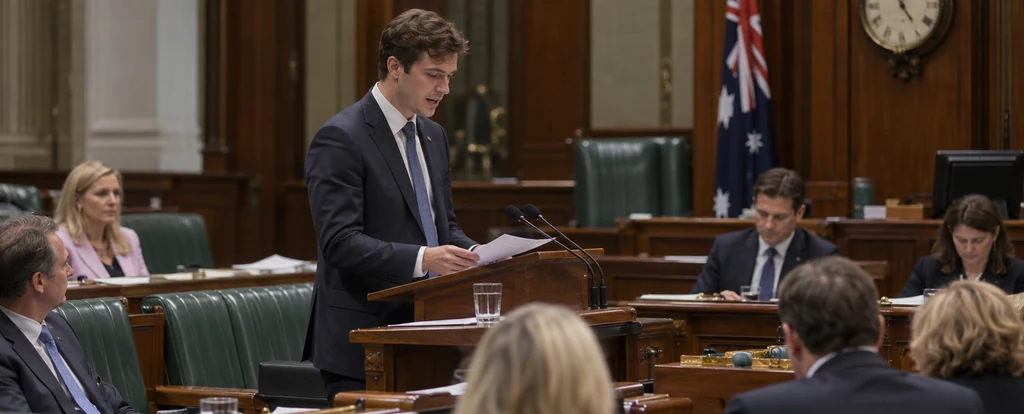
Members of parliament are elected to represent an electorate or region, debate the laws put before the parliament and vote on whether they pass.
- Median salary*
- $234,000
3.6%vs last year, before tax
- People employed
- 850
6.3%vs last year
- Projected growth
- +10.9%
to 2035
- AI exposure*
- Moderate
- automation risk
- Average hours
- 59/wk
+19h vs all jobs
- Shortage status*
- Not in shortage
national
The job is split between an electorate office and a parliament building, and the balance shifts with the sitting calendar: some weeks are spent in the chamber and in committee hearings, others back home meeting constituents and community groups. Unlike a local councillor, who deals mainly with local services and planning, a member of parliament works on national or state legislation and holds a government to account. It is an elected role rather than an appointed one, so a campaign and the voters' verdict sit at the start of every term.
How much do member of parliaments earn?
The median full-time salary for a member of parliament is $234,000 per annum, before tax, up $49,900 since 2018.
Pay is set by an independent remuneration tribunal rather than by an employer, so it changes when the tribunal hands down a determination. Extra salary attaches to roles such as minister, shadow minister, whip or committee chair, and allowances cover travel, electorate offices and staffing. There is no overtime or penalty rate, so a heavy sitting week and a quiet one pay the same.
What does a member of parliament do day to day?
The list below is what fills most weeks; the exact mix shifts with seniority and whatever stage the current work is at.
- Holding electorate meetings and helping constituents sort out problems with government services, from visas to pensions
- Sitting in the chamber for debates and voting on bills
- Serving on committees that examine legislation, government spending and agency performance
- Preparing speeches, media statements and policy positions, often to a party or portfolio brief
- Attending community events, school visits and industry briefings across the electorate
What skills do member of parliaments need?
Employers look for policy analysis and advice, community engagement, strategy development, backed by Microsoft 365 fluency and strong stakeholder management.
Specialist skills
- Policy analysis and advice
- Community engagement
- Strategy development
Software and tools
- Microsoft 365
- Zoom
- Salesforce
- X (Twitter)
General skills
- Stakeholder management
- Written communication
- Presenting and data storytelling
- People leadership
- Time and deadline management
Is the job growing?
About 850 people work as member of parliaments in Australia, and employment is projected to grow 10.9% over the decade to 2035. That's healthy, above-average growth, and the role should stay in solid demand.
How do you become a member of parliament?
Here's the path most member of parliaments take, step by step.
- 1Build a base in a related role
Most people arrive from electorate office work, local government, union organising, policy advising or party staffing, and those roles teach constituent casework, negotiation and how government actually runs. They also put you in contact with the branch members and community networks that matter later.
- 2Join a political party and get active
Candidates are chosen through preselection, which means winning support among party members in the electorate or appearing on a winnable list position. That usually takes years of branch involvement, campaigning and committee work rather than a single application.
- 3Check you are eligible to nominate
You must be an Australian citizen aged 18 or over, and the Constitution disqualifies people who hold dual citizenship, are undischarged bankrupts, or hold an office of profit under the Crown. Nomination requires signatures and a deposit, and the rules differ between federal, state and territory elections.
- 4Contest the election
A campaign runs on volunteers, a small staff and a spending cap, and covers pre-polling, letterboxing, community forums and media. Sitting members start with the advantage of an established name and an electorate office.
- 5Learn the job once you are in
There is no formal training for new members. Parliamentary procedure, committee practice and office staffing are picked up through induction sessions, party mentors and the clerks, while electorate work continues from day one.
Ready to apply as a member of parliament?
Whether you're working toward becoming a member of parliament or already are one and want a hand with the next step (sharpening your resume for ATS screening, tightening your cover letter, or knowing what you'll actually be asked at interview), here are examples grounded in this specific role, not generic templates.
What jobs can a member of parliament move to?
None of the roles member of parliaments typically move into pay more than the role itself. Chief Executive Officer is the closest match. If a bigger salary is the goal, moving up into a senior or principal position within the role is usually the faster route than moving sideways.
| Move to | Typical pay change | Overlap | Retraining |
|---|---|---|---|
| Chief Executive Officer Leadership, public speaking and governance experience from parliament can transfer to executive leadership, though a new business qualification is needed.Known move | −$52,000 | 25% | requalify |
| Policy and Planning Manager Parliamentary policy and legislative experience carries into leading public sector policy planning, with a short course in management frameworks. | −$80,900 | 59% | short course |
| Lobbyist Political networks and policy process knowledge suit lobbying, with a short course covering lobbying rules and professional ethics. | −$104,000 | 50% | short course |
Moves are chosen from Jobs and Skills Australia's Data on Occupation Mobility, which follows income tax records between 2011-12 and 2020-21, together with entry requirements and skill overlap. A known move is one people were seen making in that data. Pay change compares median full-time pay for the two roles.
Who works as a member of parliament?
The typical member of parliament is 50 years old; 61% are men, 97% work full-time, and full-timers average 59 hours a week.
- 50
- Median age
- 39%
- Female share
- 97%
- Full-time
- +19h
- vs all-jobs avg
What's it like being a member of parliament?
The shape of the week depends on whether parliament is sitting: sitting weeks mean long days in the chamber, late votes and flights at either end, while non-sitting weeks belong to the electorate. Average full-time hours run to about 59 a week, and much of that time is spent in public, which suits people who are comfortable being recognised and approached. Progress is often slow and shared, so the role tends to appeal to people who can work a long campaign without needing a quick result.
What people like
- Your decisions reach real people. Constituent casework brings the job back to one person, and a resolved visa problem, a funding decision or an amendment carried in committee can change a life in a way few jobs allow.
- You are in the room where it is decided. Being present for the debate, the vote and the committee hearing gives a direct view of how policy is made, and the chance to influence it from inside rather than from a submission.
- Every week is different. Chamber work, committee hearings, community events and media keep the week varied, and no two electorates ask the same things of their member.
- A strong tie to one community. Holding a seat means getting to know an area and its people well over years, and the local recognition that comes with it.
What people find hard
- Public scrutiny does not stop. Votes, expenses, family and social media posts are all fair game, and a mistake can be national news within an hour.
- The hours and the travel. Sitting weeks mean early flights, late divisions and weekends given to community events, and an electorate far from the capital adds hours of travel to every trip.
- One member can only do so much. Party discipline decides most votes, so a backbencher's influence is often limited to committee work, amendments and persuasion behind the scenes.
- Job security is decided by others. Every term ends with an election, and a modest swing can end a career that took years to build, whatever the work record.
Based on our synthesis of professional-body surveys and public accounts of the role, not first-person verified reviews.
Which industries employ member of parliaments?
Public Administration and Safety employs the largest share of member of parliaments.
Top employing industries
- 1Public Administration and Safety
Ranked by employment share; the source doesn't publish an exact percentage per industry.
| Bachelor degree | 42.7% | |
|---|---|---|
| Postgraduate | 31.1% | |
| Year 12 or below | 11.1% | |
| Diploma / Advanced Diploma | 7.7% | |
| Certificate III/IV | 5% |
Will AI replace member of parliaments?
This is a moderately exposed job. Drafting, summarising and research are the tasks AI speeds up most, from constituent letters to searching Hansard for a past commitment, while the vote, the public meeting and the accountability stay with the member. Casework systems and social media analytics change how the office runs, but not who has to answer to voters.
Share of typical working time by exposure level
- Constituent correspondence and caseworkResponding to a few hundred emails a week is where AI helps most, summarising a case file or drafting a reply from a template, but deciding what to do about a visa refusal or a pension problem is still done by the member and their staff.30%high
- Speeches, briefings and policy researchSummarising Hansard, submissions and reports takes minutes rather than days, which shortens the research behind a speech without writing the argument or the line that will be quoted.25%moderate
- Chamber debate, voting and committee hearingsQuestioning a witness or arguing an amendment depends on reading the room and counting the numbers, and the vote itself is personal and on the record.25%low
- Community meetings, electorate events and mediaTurning up at a school fete, a factory visit or a talkback interview is the part voters judge directly, and a drafted talking point rarely carries a hostile room.20%low
Moves least exposed to AI
These career moves from member of parliament work are rated low for AI exposure:
- Chief Executive Officer
Some skill overlap (25%), requalify to get there, and a low automation-risk profile.
- Lobbyist
Solid skill overlap (50%), short course to get there, and a low automation-risk profile.
Common questions about becoming a member of parliament
Straight answers to the questions people ask most.
How much does a member of parliament earn?
$234,000 per year before tax is the median for this occupation. The actual figure is set by the Remuneration Tribunal and increases with roles such as minister, committee chair or whip.
How do you become a member of parliament?
You need to be an Australian citizen aged 18 or over and not disqualified under the Constitution, but the real gate is preselection by a political party or a well organised independent campaign. Most candidates spend years in electorate work, local government, union or party roles before they get to that point.
Are members of parliament in demand?
Members of parliament are currently not in shortage, and employment is projected to grow 10.9% over the decade to 2035. The number of seats is set by electoral boundaries rather than by demand, so openings appear when a sitting member retires, resigns or loses their seat.
Will AI replace members of parliament?
Parts of the job are exposed, but the core of it is not. AI speeds up drafting letters, summarising submissions and searching Hansard, while the vote, the judgement call and showing up at a community meeting stay with the member.
Do you need a degree to be a member of parliament?
No qualification is legally required to sit in parliament. Of the people currently in the role, 43% hold a Bachelor degree as their highest qualification, which reflects the policy, legal and advocacy backgrounds many bring rather than an entry rule.
What other work can a member of parliament move into?
Executive leadership is a common move for those with ministerial or committee experience, paid $52,000 less than this role, though a business qualification is usually needed on top. Policy and planning manager positions in the public service suit the legislative side of the work, at $80,900 less, and some move into lobbying, at $104,000 less, after a short course on lobbying rules and ethics.
Related roles
- Chief Executive Officer
- Policy and Planning Manager
- Lobbyist
- Local Councillor
- Union Organiser
- Electorate Officer
Not sure this is you? Take the career quiz and get a ranked shortlist of roles that fit how you like to work.