Osteopath
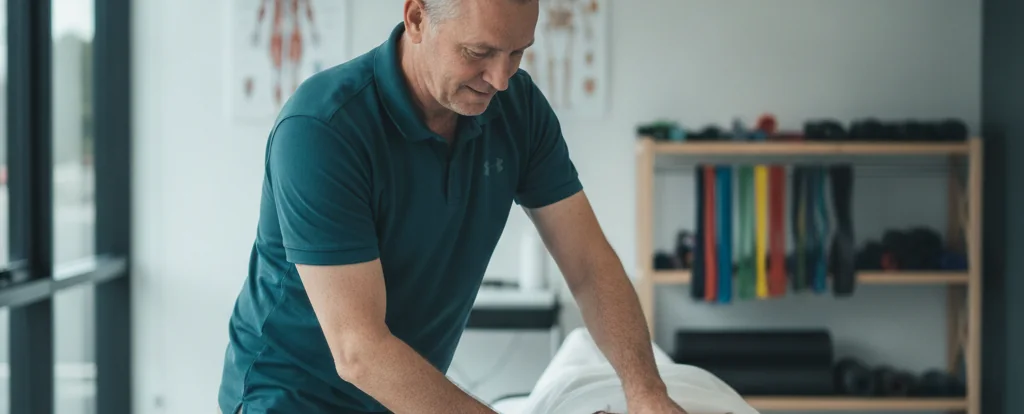
Osteopaths treat pain and movement problems with their hands, assessing how the whole body is contributing to a patient's symptoms.
- Median salary*
- $65,000
4.2%vs last year, before tax
- People employed
- 2,300
4.5%vs last year
- Projected growth
- +36%
to 2035
- AI exposure*
- Low
- automation risk
- Average hours
- 41/wk
+1h vs all jobs
- Shortage status
- In shortage
national
Osteopaths work mostly in private practice, either running their own clinic or sharing rooms with physiotherapists, podiatrists and other allied health staff in a multidisciplinary practice. What separates osteopathy from physiotherapy and chiropractic is the breadth of the assessment: treatment covers the whole body, and the hands-on techniques range from soft tissue work and stretching to joint articulation and, in some cases, spinal manipulation. Anyone treating patients in Australia must be registered with the Osteopathy Board of Australia through AHPRA.
How much do osteopaths earn?
The median full-time salary for an osteopath is $65,000 per annum, before tax, up $13,700 since 2018.
Earnings usually track how many patients you treat. Employees are paid a salary or an hourly rate, while many osteopaths work as contractors taking a share of the fee for each consultation, so a quiet week or a run of cancellations shows up in the next pay. Clinic owners carry rent, staff and equipment costs but keep more of each fee, which is generally where earnings grow over a career.
What does an osteopath do day to day?
The list below is what fills most weeks; the exact mix shifts with seniority and whatever stage the current work is at.
- Feeling for tension, restriction and joint stiffness across a patient's body, not only the spot that hurts
- Treating with hands-on techniques such as soft tissue release, stretching and joint articulation
- Working out how a patient's job, posture, sleep and old injuries feed into their current pain
- Prescribing exercises and home advice so improvements hold between appointments
- Writing case notes and treatment plans for a caseload of returning patients
What skills do osteopaths need?
Employers look for clinical assessment and treatment, care planning and coordination, patient care and support, backed by treatment tables fluency and strong problem solving.
Specialist skills
- Clinical assessment and treatment
- Care planning and coordination
- Patient care and support
- Regulatory compliance
Software and tools
- treatment tables
- palpation instruments
- imaging interpretation software
- patient management systems
- resistance bands and exercise aids
General skills
- Problem solving
- Written communication
- Stakeholder management
- Attention to detail
Is the job growing?
About 2,300 people work as osteopaths in Australia, and employment is projected to grow 36% over the decade to 2035. That's very strong growth. Few roles in Australia are expanding this fast, and it points to solid demand for years to come.
How do you become an osteopath?
Here's the path most osteopaths take, step by step.
- 1Complete an accredited osteopathy degree
Programs take four to five years of full-time study, either a double bachelor or a health science degree followed by a Master of Osteopathy, and the accredited list sits with the Australian Osteopathic Accreditation Council. The supervised clinical placements in the later years are where you first treat patients.
- 2Register with AHPRA
Registration through the Osteopathy Board of Australia is required before you can call yourself an osteopath or take patients. It is renewed each year and depends on ongoing continuing professional development.
- 3Arrange insurance and health fund recognition
Professional indemnity insurance is a condition of registration. Registered osteopaths are also recognised by private health funds, which matters because most patients claim part of their fee through extras cover.
- 4Start as an associate in an established clinic
New graduates usually join an existing practice on a salary or fee-share arrangement to build a caseload with mentoring nearby, before deciding whether to open their own clinic.
Ready to apply as an osteopath?
Whether you're working toward becoming an osteopath or already are one and want a hand with the next step (sharpening your resume for ATS screening, tightening your cover letter, or knowing what you'll actually be asked at interview), here are examples grounded in this specific role, not generic templates.
What jobs can an osteopath move to?
Moving into Practice Manager typically comes with the biggest pay rise, worth $21,100 a year more on average.
| Move to | Typical pay change | Overlap | Retraining |
|---|---|---|---|
| Practice Manager Osteopaths understand clinical workflows and patient care, which helps them manage staff, schedules and practice operations. | +$21,100 | 23% | short course |
| Injury Management Coordinator Osteopaths bring musculoskeletal assessment and rehabilitation knowledge to coordinating workplace injury recovery and return-to-work plans. | −$5,200 | 33% | short course |
Moves are chosen from Jobs and Skills Australia's Data on Occupation Mobility, which follows income tax records between 2011-12 and 2020-21, together with entry requirements and skill overlap. A known move is one people were seen making in that data. Pay change compares median full-time pay for the two roles.
Who works as an osteopath?
The typical osteopath is 35 years old; 55% are women, 48% work full-time, and full-timers average 41 hours a week.
- 35
- Median age
- 55%
- Female share
- 48%
- Full-time
- +1h
- vs all-jobs avg
What's it like being an osteopath?
The day runs on appointments, so there is a steady rhythm of consultations, each one part assessment, part treatment and part conversation about what to do between visits. Most osteopaths are self-employed or work as contractors inside a clinic, which means the pace and the income both depend on how full the books are. It suits people who enjoy solving physical puzzles by hand and are comfortable spending most of the day in close contact with patients.
What people like
- The feedback comes within the session. Movement often improves or a tender area settles while you are working, so you find out fairly quickly whether your reasoning was right.
- Every case is a puzzle. Two people with the same low back pain can have quite different drivers, and untangling which is which is a large part of the work.
- You get to know a caseload over time. Care often continues across weeks or months, and patients return for maintenance or the next flare-up, so the relationships build.
What people find hard
- Cancellations cost you money. Contractors and owners are paid per consultation, so a day of no-shows is a day without income, and the record keeping and follow-up calls around appointments are usually unpaid.
- It is hard on your own body. You stand, lean over a treatment table and apply pressure with your hands and forearms all day, and hand, wrist and back problems are a real risk over a long career.
- You explain the profession constantly. Many people cannot say how an osteopath differs from a physiotherapist or a chiropractor, and some arrive sceptical about manual therapy, so those questions come up most weeks.
- Owning a clinic means running a business. Marketing, rostering, rent, equipment and chasing unpaid accounts sit with the owner on top of the treating.
Based on our synthesis of professional-body surveys and public accounts of the role, not first-person verified reviews.
Which industries employ osteopaths?
Health Care and Social Assistance employs the largest share of osteopaths.
Top employing industries
- 1Health Care and Social Assistance
Ranked by employment share; the source doesn't publish an exact percentage per industry.
| Postgraduate | 62.8% | |
|---|---|---|
| Bachelor degree | 33% | |
| Diploma / Advanced Diploma | 2.2% | |
| Year 12 or below | 0.2% | |
| Certificate III/IV | 0% |
Will AI replace osteopaths?
Osteopathy has low exposure to AI because the central work is physical: feeling for restriction, treating by hand and reading a patient's response in real time cannot be done through a screen. Software already handles booking, reminders, billing and record keeping, and AI scribes can draft consultation notes, but the clinical judgement stays with the osteopath. What changes is the admin load, not the treatment itself.
Share of typical working time by exposure level
- Hands-on treatment and palpationFinding the restriction and working through it depends on touch and constant adjustment, which no current tool replicates.40%low
- Assessment and treatment planningDeciding what is driving a patient's pain means combining history, movement testing and how the body responds on the day.25%low
- Clinical notes and patient recordsAI scribes can turn a consultation into a draft note, but the osteopath still reviews it for accuracy and clinical detail.20%moderate
- Bookings, billing and remindersPractice management systems already schedule appointments, send reminders, process health fund claims and chase unpaid accounts.15%high
Common questions about becoming an osteopath
Straight answers to the questions people ask most.
How much do osteopaths earn?
Median full-time pay is $65,000 per year before tax. Because so many osteopaths work as contractors or clinic owners, individual earnings vary with caseload, the fees the clinic charges and how long you have been building a patient list.
How do you become an osteopath in Australia?
You finish an accredited osteopathy degree, usually four to five years of full-time study, then register with the Osteopathy Board of Australia through AHPRA before treating anyone. About 63% of the osteopaths working today hold a postgraduate qualification, which is the most common way in.
Are osteopaths in demand in Australia?
Osteopaths are currently in shortage nationally, and employment is projected to grow 36% over the decade to 2035. The profession is small, at about 2,300 people, and almost all of it sits in private practice, so vacancies come from clinics adding an associate or replacing someone who has moved on.
Will AI replace osteopaths?
No. The core of the job is physical, since palpation and manual treatment depend on feeling how tissue responds in the moment, so exposure is low. Practice management systems, online booking and automated reminders already handle much of the administration, and AI scribes can draft consultation notes that the osteopath then checks and corrects.
What else can osteopaths do?
Two moves are common. Injury management coordinating uses the same musculoskeletal and rehabilitation knowledge and pays $5,200 less, while practice management, running the clinical and business side of a clinic, pays $21,100 more. For many osteopaths the bigger step is owning their own practice, which is often where earnings grow.
What is the difference between an osteopath and a physiotherapist?
Both are registered allied health professionals who treat musculoskeletal problems, but physiotherapy training covers hospital and rehabilitation settings and often targets one injury or body area. Osteopaths are trained to assess the whole body, lean more heavily on manual techniques, and almost always work in private practice.
Related roles
- Injury Management Coordinator
- Practice Manager
- Pedorthist
- Occupational Therapist
- Speech Pathologist
- Optometrist
Not sure this is you? Take the career quiz and get a ranked shortlist of roles that fit how you like to work.