Removalist
Removalists pack, lift and carry household and business goods between addresses, so that belongings arrive undamaged and a move finishes on schedule.
- Median salary*
- $62,400
3.8%vs last year, before tax
- People employed
- 6,000
0.0%vs last year
- Projected growth*
- +5%
to 2035
- AI exposure*
- Low
- automation risk
- Average hours*
- 41/wk
+1h vs all jobs
- Shortage status*
- Not in shortage
national
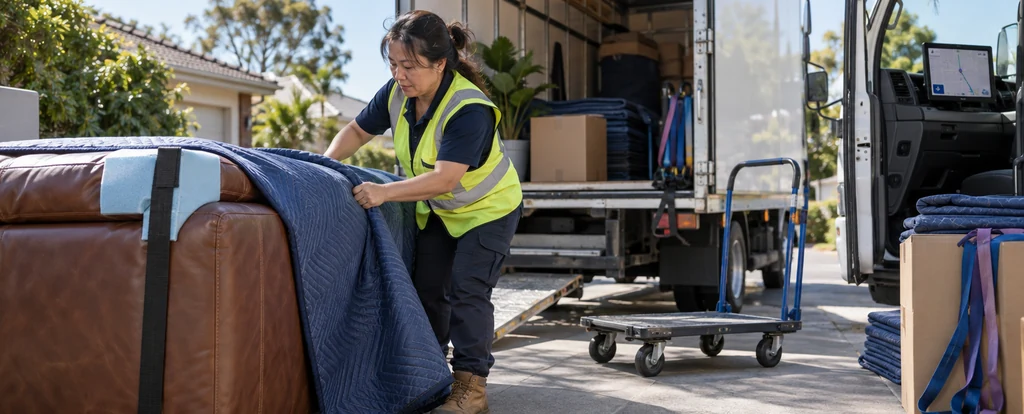
Removalists work out of a truck and inside other people's homes, usually in a crew of two or three with one person running the job. What separates the role from delivery driving is the size and fragility of what moves: a whole household of furniture, appliances and boxes, sometimes including pianos, artwork and antiques that need wrapping, strapping and careful placement. Most work comes through removal companies, and driving the larger trucks needs a heavy vehicle licence.
How much do removalists earn?
The median full-time salary for a removalist is $62,400 per annum, before tax, up $12,900 since 2018.
Pay is usually set by the Road Transport and Distribution Award or an enterprise agreement, so the rate depends on the employer and on whether you are on the books or subcontracted. Overtime, weekend and public holiday work lifts it, and a driver with a heavy vehicle licence is generally paid more than an offsider on the same crew. Some companies pay a daily rate or a share of the job, which varies with how busy the moving season is.
What does a removalist do day to day?
The list below is what fills most weeks; the exact mix shifts with seniority and whatever stage the current work is at.
- Lifting and carrying furniture, appliances and packed boxes up stairs and through tight doorways
- Wrapping items in moving blankets, shrink wrap and corner protectors before they leave the house
- Stacking and strapping loads inside the truck so nothing shifts in transit
- Driving the removal truck between addresses and finding somewhere legal to park it
- Dismantling and reassembling beds, desks and modular furniture
What skills do removalists need?
Employers look for driving and transport operations, inventory management, backed by Furniture trolley and lifting straps fluency and strong physical stamina and dexterity.
Specialist skills
- Driving and transport operations
- Inventory management
Software and tools
- Furniture trolley and lifting straps
- Moving blankets, shrink wrap and corner protectors
- Removal truck (light or heavy rigid)
- Job and fleet management software such as Moveware
- GPS route and delivery apps
General skills
- Physical stamina and dexterity
- Customer service
- Attention to detail
- Safety and compliance awareness
- Problem solving
Is the job growing?
About 6,000 people work as removalists in Australia, and employment is projected to grow 5% over the decade to 2035. That's modest growth: demand is steady rather than booming.
How do you become a removalist?
Here's the path most removalists take, step by step.
- 1Start as an offsider
Most removalists begin on a crew, loading and unloading while someone else drives. No qualification is required, the work is paid from day one, and lifting technique, packing and truck etiquette are learned on the job.
- 2Sort out licences and cards
A car licence is enough for a smaller removal truck, but a light rigid, medium rigid or heavy rigid licence lets you drive the bigger vehicles and usually comes with higher pay. Licences are issued by your state or territory transport authority, and if you work on construction sites you also need a White Card.
- 3Add a qualification if you want to specialise
A Certificate III in furniture removal, offered by some registered training organisations as a traineeship, covers packing, safe lifting, load restraint and handling fragile items. It is not needed to get work, but larger companies and commercial contracts may prefer it.
- 4Build the skills that lead jobs
Packing high-value items, running office relocations and managing a truck load are what move you from offsider to leading a crew. That experience is also what customers ask for when they book a piano or an art move, and it is what a company wants before putting you in charge of a job.
Ready to apply as a removalist?
Whether you're working toward becoming a removalist or already are one and want a hand with the next step (sharpening your resume for ATS screening, tightening your cover letter, or knowing what you'll actually be asked at interview), here are examples grounded in this specific role, not generic templates.
What jobs can a removalist move to?
Moving into Truck Driver typically comes with the biggest pay rise, worth $39,500 a year more on average.
| Move to | Typical pay change | Overlap | Retraining |
|---|---|---|---|
| Truck Driver Removalists already drive and load trucks, so moving into truck driving builds on that experience with a heavy vehicle licence. | +$39,500 | 69% | minimal |
| Bus Driver Removalists drive vehicles and deal with customers, so bus driving adds passenger transport skills with a bus licence. | +$30,900 | 53% | short course |
| Courier Removalists know how to load and transport items safely, so courier work is a natural shift to smaller, faster deliveries. | +$15,800 | 69% | minimal |
| Tow Truck Driver Removalists are used to loading and securing vehicles and goods, so tow truck driving builds on that with a towing licence. | +$7,800 | 57% | short course |
| Delivery Driver Removalists already handle goods and drive between addresses, so moving to delivery driving uses the same skills with less heavy lifting. | +$5,600 | 83% | minimal |
Moves are chosen from Jobs and Skills Australia's Data on Occupation Mobility, which follows income tax records between 2011-12 and 2020-21, together with entry requirements and skill overlap. A known move is one people were seen making in that data. Pay change compares median full-time pay for the two roles.
Who works as a removalist?
The typical removalist is 32 years old; 95% are men, 46% work full-time, and full-timers average 41 hours a week.
- 32
- Median age
- 5%
- Female share
- 46%
- Full-time
- +1h
- vs all-jobs avg
What's it like being a removalist?
The job runs on the moving day: an early start, a house or office to empty, and another booking waiting once the truck is unloaded. It is physical and repetitive, and the people who stick with it tend to like working in a small team, being outdoors and on the road, and dealing with customers face to face. The trade-off is that the day's work is measured in what you can lift and carry, and job lengths depend on traffic, access and how much the customer owns.
What people like
- A move that finishes clean. Getting a whole household off the truck without a scratch is a result you can see at the end of the day, and customers usually say so.
- A different address every day. You see inside homes, offices and storage units across the city, and no two jobs have the same stairs, lifts and parking problems to work out.
- Working as a crew. Most jobs run with two or three people, so you are not on your own for the heavy lifts and the day passes with company.
- You can start earning quickly. There is no long training pathway before the first pay cheque, and you can add a truck licence while you work rather than studying first.
What people find hard
- The load on your body. Fridges, sofas and boxes put strain on backs, knees and shoulders, and the damage tends to build over years rather than coming from one bad lift.
- Weather and awkward access. You load in heat, rain and cold, and plenty of jobs mean stairs, narrow hallways or a truck parked well short of the front door.
- Moving day pressure. Customers are often anxious and short of time, and you are the person standing there when something goes into the wrong room or a piece gets marked.
- Hours that end when the truck is empty. Early starts are standard, and finishing times depend on traffic, weather and how well the jobs before yours ran.
Based on our synthesis of professional-body surveys and public accounts of the role, not first-person verified reviews.
Which industries employ removalists?
Transport, Postal and Warehousing employs the largest share of removalists, followed by Construction.
Top employing industries
- 1Transport, Postal and Warehousing
- 2Construction
- 3Rental, Hiring and Real Estate Services
- 4Administrative and Support Services
- 5Retail Trade
Ranked by employment share; the source doesn't publish an exact percentage per industry.
| Certificate III/IV | 34% | |
|---|---|---|
| Diploma / Advanced Diploma | 26% | |
| Bachelor degree | 20% | |
| Year 12 or below | 20% |
Will AI replace removalists?
Removal work is one of the least exposed jobs to automation, because the job is physically handling heavy, fragile and awkward objects in houses and offices that were not built for the load. Job management software such as Moveware already handles quoting, scheduling and inventory lists, which reduces the paperwork around a move but changes nothing about the lifting. Where AI does reach in is planning routes and surveying a home before the crew arrives.
Share of typical working time by exposure level
- Lifting and carrying furniture and boxesCarrying a fridge down a flight of stairs or a wardrobe through a doorway takes hands, balance and a read of the building, none of which a machine manages in a home.40%low
- Wrapping, packing and protecting itemsDeciding how much padding a mirror needs or how to pack a kitchen so nothing cracks is quick human judgement based on what you can see.25%low
- Driving and positioning the truckRoute apps and fleet software plan the journey and flag access problems, but reversing into a driveway and parking close to the door stays with the driver.20%moderate
- Quoting jobs and booking the scheduleJob management software can estimate volumes from photos or a video survey and set the run sheet, which is where most of the office side has already been automated.15%high
Common questions about becoming a removalist
Straight answers to the questions people ask most.
How much does a removalist earn?
$62,400 per annum, before tax, is the median for full-time removalists. Pay is usually set by the Road Transport and Distribution Award or an enterprise agreement, so the employer and the type of work make most of the difference, and overtime, weekend work and a heavy vehicle licence push earnings above that median.
How do I become a removalist?
Apply to removal and storage companies for offsider work, which needs no qualification and pays from day one. Experience with lifting, furniture assembly or customer service helps you get hired, and a light rigid or heavy rigid licence opens up driving and better-paid roles once you are in.
Are removalists in demand?
Removalists are currently not in shortage, and employment is projected to grow 5% over the decade to 2035. The work rises and falls with how often households and businesses move, so a fair share of roles come through labour hire and casual contracts rather than permanent positions.
Will AI replace removalists?
This is one of the least exposed jobs to automation, because the core work is carrying, wrapping and fitting awkward objects through doorways that were never designed for them. Job management software already handles quoting, scheduling and inventory lists, which cuts paperwork but does not lift a sofa. Robotic handling exists in warehouses, not in a three-bedroom house with a tight staircase.
What jobs can a removalist move into?
Driving is the usual next step, and since removalists already load and drive trucks, moving into truck driving builds on that experience with a heavy vehicle licence and pays $39,500 more. Delivery driving and courier work use the same handling and route skills with less heavy lifting, and bus driving adds passenger work after a short course. Many experienced removalists eventually start their own moving business, often with one truck, and that is where earnings commonly grow.
Do you need a licence to be a removalist?
Offsiders need no licence at all, but driving a removal truck needs a car licence for the smaller vehicles and a light rigid, medium rigid or heavy rigid licence for the larger ones. Licences come from your state or territory transport authority, and site work also requires a White Card.
Related roles
Not sure this is you? Take the career quiz and get a ranked shortlist of roles that fit how you like to work.