Strength and Conditioning Coach
Strength and conditioning coaches design and run the physical training that builds an athlete's speed, power and durability and lowers their risk of injury.
- Median salary*
- $90,000
3.7%vs last year, before tax
- People employed*
- 4,200
0.0%vs last year
- Projected growth
- +12.1%
to 2035
- AI exposure*
- Low
- automation risk
- Average hours*
- 42/wk
+2h vs all jobs
- Shortage status
- Not in shortage
national
Strength and conditioning coaches plan and deliver the physical preparation side of an athlete's training, covering strength, power, speed and conditioning. They test athletes, track training load and adjust programs across a season in consultation with coaching and medical staff, which is what separates the role from sports scientists who lean more towards testing and research. Most work sits with professional and semi-professional clubs, elite sport institutes, schools and community organisations, and much of it is seasonal or tied to a competition calendar.
How much do strength and conditioning coachs earn?
The median full-time salary for a strength and conditioning coach is $90,000 per annum, before tax, up $18,600 since 2018.
Where you work moves the figure more than the job title does: professional clubs, national institutes and larger schools pay more than community clubs and volunteer-run programs. Many positions are part-time, seasonal or contract-based, so what you earn across a year depends on how many hours you pick up and for how much of the season. Accreditation level and experience with elite athletes also affect the rate, and private or contract coaching is usually priced by the session rather than as a salary.
What does a strength and conditioning coach do day to day?
The list below is what fills most weeks; the exact mix shifts with seniority and whatever stage the current work is at.
- Designing periodised strength and conditioning programs for individual athletes and squads
- Coaching athletes through resistance, plyometric, speed and conditioning sessions
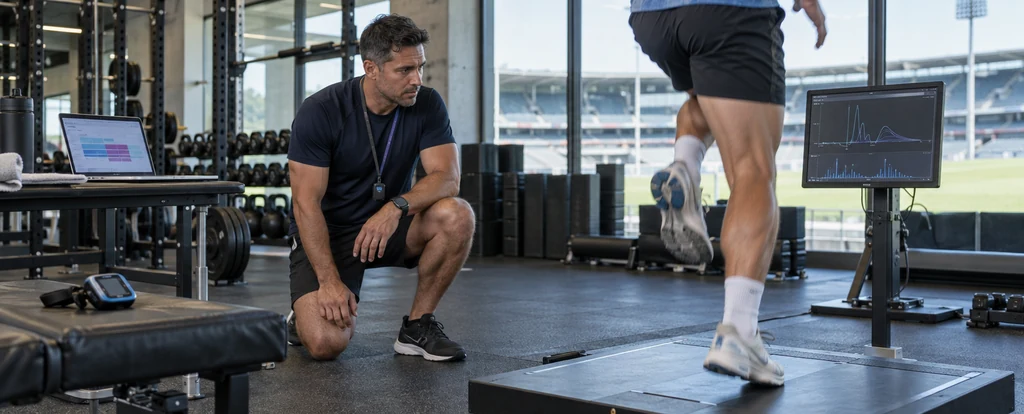
- Monitoring training load, fatigue and readiness using GPS, force plate and wellness data
- Running physical testing and movement screening to track progress and flag injury risk
- Liaising with physiotherapists, medical staff and head coaches on injury prevention and return-to-play plans
What skills do strength and conditioning coachs need?
Employers look for fitness coaching and instruction, teaching and instruction, data analysis, backed by VALD ForceDecks fluency and strong written communication.
Specialist skills
- Fitness coaching and instruction
- Teaching and instruction
- Data analysis
Software and tools
- VALD ForceDecks
- TeamBuildr
- Catapult GPS
- Microsoft Excel
- NordBord
General skills
- Written communication
- People leadership
- Problem solving
- Attention to detail
Is the job growing?
About 4,200 people work as strength and conditioning coachs in Australia, and employment is projected to grow 12.1% over the decade to 2035. That's healthy, above-average growth, and the role should stay in solid demand.
How do you become a strength and conditioning coach?
Here's the path most strength and conditioning coachs take, step by step.
- 1Complete a degree in exercise and sport science
A three-year bachelor degree is held by 38% of the current workforce, and it is what most employers and accreditation bodies expect. Some coaches start with a diploma in sport, fitness or health science and finish the degree part-time while working in assistant roles.
- 2Get accredited through the Australian Strength and Conditioning Association
ASCA runs a level-based accreditation starting at Level 1, and each level requires coursework plus logged coaching hours. Schools, institutes and clubs often ask for it, and the higher levels need experience with athletes competing at a serious level.
- 3Log supervised coaching hours with a team
Internships and assistant roles with clubs, school sport programs and state institutes are how most coaches get their first hours, and they are often unpaid. Paid work generally goes to people with a season or two of supervised coaching behind them.
- 4Keep first aid, CPR and a working with children check current
These are standard requirements for working with athletes, and a working with children check is needed for school and junior programs, with the process run by each state. Renewals come around on their own schedule, so it is worth diarising them rather than discovering a lapsed certificate mid-season.
Ready to apply as a strength and conditioning coach?
Whether you're working toward becoming a strength and conditioning coach or already are one and want a hand with the next step (sharpening your resume for ATS screening, tightening your cover letter, or knowing what you'll actually be asked at interview), here are examples grounded in this specific role, not generic templates.
What jobs can a strength and conditioning coach move to?
Moving into Sports Administrator typically comes with the biggest pay rise, worth $57,900 a year more on average.
| Move to | Typical pay change | Overlap | Retraining |
|---|---|---|---|
| Sports Administrator A strength and conditioning coach brings sport programme delivery and athlete management experience to a sports administrator role, with further study in management.Known move | +$57,900 | 7% | reskill |
| Secondary School Teacher A strength and conditioning coach can apply athlete development and injury prevention knowledge to secondary teaching, but needs a teaching qualification.Known move | +$30,700 | 19% | requalify |
| Sports Scientist A strength and conditioning coach brings programme design and athlete monitoring skills to a sports scientist role, though further study in exercise science is needed. | +$3,600 | 41% | reskill |
Moves are chosen from Jobs and Skills Australia's Data on Occupation Mobility, which follows income tax records between 2011-12 and 2020-21, together with entry requirements and skill overlap. A known move is one people were seen making in that data. Pay change compares median full-time pay for the two roles.
Who works as a strength and conditioning coach?
The typical strength and conditioning coach is 33 years old; 72% are men, 62% work full-time, and full-timers average 42 hours a week.
- 33
- Median age
- 28%
- Female share
- 62%
- Full-time
- +2h
- vs all-jobs avg
What's it like being a strength and conditioning coach?
The week is built around the athletes: testing blocks, gym sessions, field work and recovery, with plans rewritten as injuries, travel and selection change. A good deal of the job is monitoring and persuasion as well as coaching, because athletes only do the work if they trust the reasoning behind it. It suits people who enjoy the detail of a program and can accept that the results arrive slowly.
What people like
- Progress you can measure. A jump that gains a few centimetres or a squat that moves better is feedback you can point to, and over a season it shows in how athletes hold up.
- Close work with the same group. You spend hours each week with the same squad, so you learn how each athlete responds, what motivates them and when to back off.
- Coaching and data in one job. The role mixes the gym floor with testing and load monitoring, which gives people who like both sides of sport a place to work.
- A clear seat in the team. You sit alongside head coaches, physiotherapists and doctors, all working on the same problem of getting athletes fit and keeping them there.
What people find hard
- The hours follow the athletes. Sessions often start before school or work and finish in the evening, and competition weekends are part of the schedule rather than an exception.
- Results come slowly and credit is shared. Strength and durability build over months, and when a team wins the attention goes to the players and the head coach.
- You advise rather than decide. The head coach picks the team and the physiotherapist sets the return-to-play timeline, so you make your case and work within their call.
- Security depends on funding. Many roles are seasonal, part-time or tied to a program's budget, so contracts can be short and renewal is not guaranteed.
Based on our synthesis of professional-body surveys and public accounts of the role, not first-person verified reviews.
Which industries employ strength and conditioning coachs?
Professional sports clubs and franchises employs the largest share of strength and conditioning coachs, followed by Fitness and recreation centres.
Top employing industries
- 1Professional sports clubs and franchises
- 2Fitness and recreation centres
- 3Tertiary education and elite sport institutes
- 4Secondary schools
- 5Community sports organisations
Ranked by employment share; the source doesn't publish an exact percentage per industry.
| Bachelor degree | 38% | |
|---|---|---|
| Diploma / Advanced Diploma | 24% | |
| Certificate III/IV | 20% | |
| Postgraduate | 10% | |
| Other | 8% |
Will AI replace strength and conditioning coachs?
The role rates as low exposure overall because the coaching happens in person and in real time, and cueing a lift or reading how an athlete moves on the day is not something software does. Tools such as VALD ForceDecks, NordBord and Catapult GPS have taken over much of the measurement and reporting, and platforms like TeamBuildr handle program templates and session logging. What that changes is the time spent collecting and formatting data, not the judgement about what to do with it.
Share of typical working time by exposure level
- Coaching athletes through gym and field sessionsCueing technique and adjusting a set on the spot depends on watching the athlete and talking to them, and no tool does that part.35%low
- Writing and adjusting training programs across a seasonSoftware can suggest progressions and flag an overloaded week, but the plan still has to fit the athlete's history, current injuries and what the head coach has planned.25%moderate
- Collecting, cleaning and reporting testing and GPS dataForce plates and GPS units now export results and load reports automatically, so the hours once spent building spreadsheets have shrunk.20%high
- Meeting coaches, physios and athletes about load and return to playDeciding whether an athlete is ready for full training involves medical history, context and other people's judgement, none of which a dashboard holds.20%low
Common questions about becoming a strength and conditioning coach
Straight answers to the questions people ask most.
How much do strength and conditioning coaches earn?
Strength and conditioning coaches earn a median $90,000 per year before tax, based on full-time workers. Pay rises with accreditation level, the standard of athlete you work with and the employer, so professional clubs and institutes sit above community and school programs. Treat it as a national median rather than a starting rate, since part-time and seasonal contracts are common.
How do you become a strength and conditioning coach?
Most coaches start with a degree in exercise and sport science, then work through the Australian Strength and Conditioning Association's accreditation levels while logging supervised coaching hours. Practical experience with a club, school or institute squad matters as much as the qualification, because employers want to see that you have run sessions with real athletes. A diploma route exists too, with assistant roles while you study.
Are strength and conditioning coaches in demand?
Strength and conditioning coaches are currently not in shortage, and employment is projected to grow 12.1% over the decade to 2035 over the decade to 2035. The occupation employs about 4,200 people, so openings are spread across professional clubs, schools, institutes and community organisations rather than concentrated in one market. It helps to look at school sport, academy programs and semi-professional clubs as well as the elite end.
Will AI replace strength and conditioning coaches?
AI and automation reach the data side of the job rather than the coaching, and the role rates as low exposure overall. Force plates, GPS units and athlete management platforms now export testing results and load reports automatically, which has cut the hours once spent in spreadsheets. Someone still has to read those numbers against what they saw in the session, adjust the program and stand on the gym floor cueing the lift.
What can a strength and conditioning coach move into?
A move into sports science keeps the programme design and athlete monitoring and pays $3,600 more, though it usually needs further study in exercise science. Secondary school teaching is a longer route requiring a teaching qualification, and it pays $30,700 more while putting the athlete development knowledge to use in a classroom. Sports administration pays $57,900 more and suits coaches who would rather run programs than deliver them, and plenty stay in coaching and build a private practice or contracting business, which is often where earnings grow.
What are the hours like?
Full-time strength and conditioning coaches average around 42 hours a week, and about 62% of people in the role work full-time hours. The schedule follows training times rather than a nine to five, so early mornings, evenings and weekends are normal. In-season weeks are busier than the off-season, when testing and strength blocks do most of the work.
Related roles
- Sports Scientist
- Secondary School Teacher
- Sports Administrator
- Personal Trainer
- Fitness Instructor
- Professional Footballer
Not sure this is you? Take the career quiz and get a ranked shortlist of roles that fit how you like to work.