Track Rider
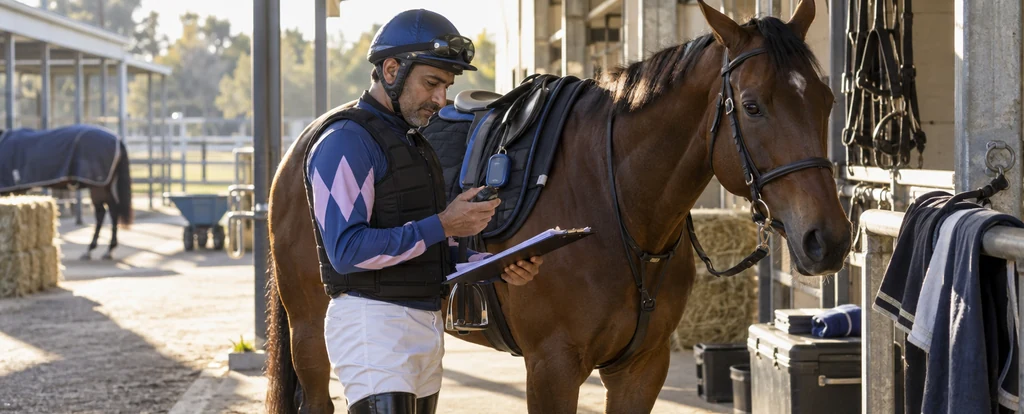
Track riders ride racehorses in early morning trackwork, building a horse's fitness and telling the trainer how it felt and handled.
- Median salary*
- $57,200
4.2%vs last year, before tax
- People employed
- 860
4.4%vs last year
- Projected growth*
- +0%
to 2035
- AI exposure*
- Low
- automation risk
- Average hours*
- 38/wk
−2h vs all jobs
- Shortage status*
- Not in shortage
national
Track riders work at racing stables and training centres, riding racehorses in early morning trackwork for a trainer. The role sits between the stablehand who cares for the horse and the jockey who races it: the track rider is the one putting the fitness into the horse and reporting on how it went. About 860 people work as track riders in Australia, most of them employed by a trainer or riding as contractors for several stables.
How much do track riders earn?
The median full-time salary for a track rider is $57,200 per annum, before tax, up $12,000 since 2018.
How a track rider is paid shapes the weekly figure more than anything else: some are on wages with penalty rates for the early starts, while others are paid per horse or per session, so earnings move with how many horses a stable has in work. A rider trusted with a trainer's better horses tends to get more rides, and reputation within a racing centre counts for a lot. Registration conditions and minimum employment standards are set by the principal racing authority in each state, so check what applies where you work.
What does a track rider do day to day?
The list below is what fills most weeks; the exact mix shifts with seniority and whatever stage the current work is at.
- Riding racehorses in timed gallops, pace work and slow work on the training track
- Following the trainer's instructions on speed, distance and where to sit in the string
- Watching for a short stride, changed breathing or a horse that has had enough
- Grooming, saddling and unsaddling horses before and after trackwork
- Recording trackwork times and reporting back on how each horse worked
What skills do track riders need?
Employers look for animal care and handling, backed by Equilab fluency and strong physical stamina and dexterity.
Specialist skills
- Animal care and handling
Software and tools
- Equilab
- Equisense GPS trackers
- Racing Australia horse registry
- Stable management software
- Stopwatch and timing apps
General skills
- Physical stamina and dexterity
- Safety and compliance awareness
- Attention to detail
- Written communication
- Time and deadline management
- Problem solving
Is the job growing?
About 860 people work as track riders in Australia, and employment is projected to grow 0% over the decade to 2035. That's modest growth: demand is steady rather than booming.
How do you become a track rider?
Here's the path most track riders take, step by step.
- 1Build real horse handling experience
Most track riders start by working with horses, whether through a stablehand job, a family connection to racing or years of riding. Trainers want someone who stays calm on a young, fit thoroughbred, and pony club or general riding alone rarely covers it.
- 2Complete the Certificate III in Racing (Trackwork Rider)
This qualification is delivered through racing industry registered training organisations and covers riding technique, horse fitness, trackwork protocols and safety. Much of it is done at a stable while you work, and it usually takes several months to a year.
- 3Register as a trackwork rider in your state
Principal racing authorities such as Racing NSW and Racing Victoria require riders to be registered before they can ride on official tracks, which means proving your riding and passing a skills assessment. Minimum ages and the exact requirements differ between states.
- 4Start on slow work and build up
New riders generally begin with slow work and canter for a stable before a trainer trusts them with faster gallops. Some experienced riders then pick up freelance rides across several stables at the same trackwork session.
Ready to apply as a track rider?
Whether you're working toward becoming a track rider or already are one and want a hand with the next step (sharpening your resume for ATS screening, tightening your cover letter, or knowing what you'll actually be asked at interview), here are examples grounded in this specific role, not generic templates.
What jobs can a track rider move to?
Moving into Jockey typically comes with the biggest pay rise, worth $10,400 a year more on average.
| Move to | Typical pay change | Overlap | Retraining |
|---|---|---|---|
| Jockey Track riders already ride and assess racehorses, so moving to jockey uses that racecraft but needs a jockey apprenticeship and licence. | +$10,400 | 89% | requalify |
| Racehorse Trainer Track riders with racing experience can move into racehorse training, though registration and substantial reskilling are required. | +$5,200 | 44% | reskill |
| Horse Trainer Track riders know horse fitness and behaviour, so horse training builds on that with a short course in training methods. | +$2,600 | 54% | short course |
| Harness Racing Driver Track riders can move to harness racing driving, where horse handling carries over, but a separate driving licence and apprenticeship are required. | +$0 | 67% | requalify |
Moves are chosen from Jobs and Skills Australia's Data on Occupation Mobility, which follows income tax records between 2011-12 and 2020-21, together with entry requirements and skill overlap. A known move is one people were seen making in that data. Pay change compares median full-time pay for the two roles.
Who works as a track rider?
The typical track rider is 27 years old; 61% are women, 58% work full-time, and full-timers average 38 hours a week.
- 27
- Median age
- 61%
- Female share
- 58%
- Full-time
- −2h
- vs all-jobs avg
What's it like being a track rider?
The job runs on a tight morning schedule: arrive before dawn, ride several horses in one session, and be finished by mid-morning. It suits someone who is physically confident, reads horses quickly and enjoys the riding itself more than the stable chores around it. The fall risk is constant, and trainers look for balance, fitness and calm hands.
What people like
- Most of the shift is spent riding. Unlike straight stable work, the morning is built around getting on horses, and a rider who handles fast work well gets more of it.
- Afternoons are free. Because trackwork finishes by mid-morning, the rest of the day is open, which is unusual in horse industry jobs.
- Getting to know individual horses. Riders learn particular horses closely: how they warm up, what settles them and when they are ready for a faster gallop or a longer trip.
- Working outdoors with a team. The job happens in the open air alongside trainers, stablehands and jockeys, and a good result on race day belongs to all of them.
What people find hard
- Dark, cold winter mornings. Trackwork is timed for the cool of the day, so most mornings start before sunrise, and winter on an exposed track is wet and freezing.
- The risk of a fall. Fit racehorses at speed can spook, duck or clip heels, and falls causing fractures and worse are a genuine part of the job rather than a rare accident.
- Pay follows the stable's workload. Riders paid per horse or per session lose income when a stable has fewer horses in work, whether from wet weather, injury or a change in the trainer's plans.
- Hard on the body. Years of riding at gallop take a toll on backs, knees and hands, and plenty of riders move into other horse work as they get older.
Based on our synthesis of professional-body surveys and public accounts of the role, not first-person verified reviews.
Which industries employ track riders?
Horse racing and breeding employs the largest share of track riders, followed by Equine training and agistment.
Top employing industries
- 1Horse racing and breeding
- 2Equine training and agistment
- 3Sports and recreation services
- 4Agriculture and livestock
Ranked by employment share; the source doesn't publish an exact percentage per industry.
| Certificate III/IV | 34% | |
|---|---|---|
| Diploma / Advanced Diploma | 26% | |
| Bachelor degree | 20% | |
| Year 12 or below | 20% |
Will AI replace track riders?
AI and automation have little reach into this job, which is why it rates low: someone has to be on the horse, feeling how it moves and reacting in real time. Timing gear, GPS trackers and stable management software have taken over the stopwatch and the record-keeping, so the paperwork around trackwork is lighter than it used to be, but the riding itself is unchanged.
Share of typical working time by exposure level
- Riding timed gallops and pace workA horse's pace, balance and mood shift from stride to stride, and only the rider on its back can feel that and adjust the work.35%low
- Assessing a horse's condition and reporting itNoticing a short stride, a changed breathing pattern or a horse that has gone flat comes from time in the saddle rather than from a sensor reading.30%low
- Saddling, grooming and after-work careFitting gear safely and checking legs and feet after a gallop is hands-on work with a half-tonne animal.20%low
- Recording trackwork times and splitsGPS trackers and apps such as Equilab and Equisense log times, speed and distance automatically, so handwritten notes on each gallop are largely redundant.15%high
Common questions about becoming a track rider
Straight answers to the questions people ask most.
How much does a track rider earn?
The median for track riders is $57,200 per year, before tax. That figure is a median rather than a starting rate, and since many riders are paid per horse or per session, actual weekly earnings vary with how much work the stable has on.
How do I become a track rider?
You need to ride well and be registered with the principal racing authority in your state. Most people get there by handling horses first, completing the Certificate III in Racing (Trackwork Rider) (RGR30518), and then building rides with a trainer, starting on slow work before faster gallops.
Are track riders in demand?
Track riders are currently not in shortage, and employment in the role is projected to stay flat over the decade to 2035. The workforce is small, so openings often come through trainers and racing stables you already know rather than advertised vacancies.
Will AI replace track riders?
No. The core of the job is being on a fit racehorse at speed and feeling how it moves underneath you, which is why the exposure for this role is low. Timing apps and GPS trackers such as Equilab and Equisense already log gallop times and speed, so the record-keeping side involves less manual stopwatch work than it once did.
What can track riders move on to?
Some riders qualify as jockeys, which uses the same racecraft but requires a jockey apprenticeship and licence, and jockeys earn about $10,400 more a year. Others move into horse training, where a short course in training methods builds on what you already know about a horse's fitness and behaviour. Harness racing driving is another option, though it needs a separate licence and apprenticeship.
What hours do track riders work?
Full-time track riders average about 38 hours a week, but the work is concentrated in the early morning, often starting around 4am and finishing by mid-morning. Casual riders and those riding for several stables fit around the same trackwork sessions, with race days and travel adding hours when they come up.
Related roles
Not sure this is you? Take the career quiz and get a ranked shortlist of roles that fit how you like to work.