Jockey
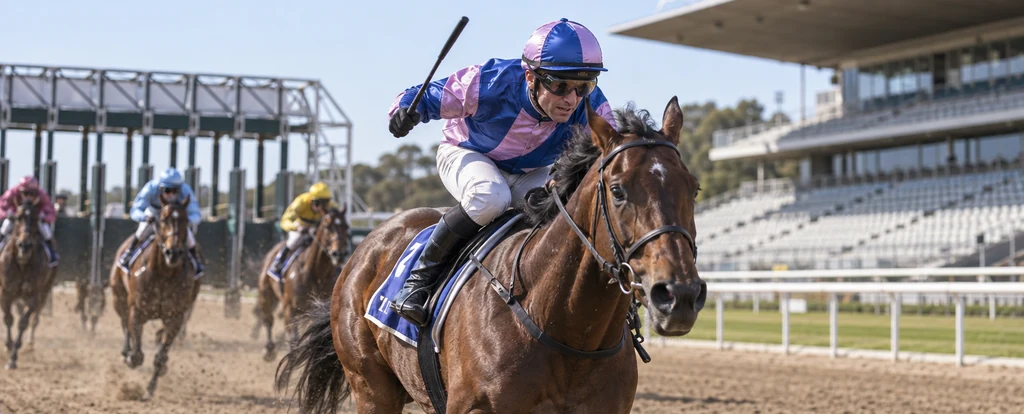
Jockeys ride horses in races, steering a mount to its best finish while keeping horse and rider safe.
- Median salary*
- $67,600
3.5%vs last year, before tax
- People employed
- 530
6.0%vs last year
- Projected growth
- +12.7%
to 2035
- AI exposure*
- Low
- automation risk
- Average hours
- 43/wk
+3h vs all jobs
- Shortage status
- Not in shortage
national
Jockeys are licensed riders who race horses for trainers and owners, usually as freelancers booked meeting by meeting. They are licensed by a state racing authority and most serve an apprenticeship before riding as senior jockeys. Riding trackwork in the mornings is part of the job for many, and it is how trainers decide who they want on their horses on race day.
How much do jockeys earn?
The median full-time salary for a jockey is $67,600 per annum, before tax, up $14,400 since 2018.
A jockey's income combines a riding fee with a share of any prize money the horse wins, so it moves with the number of rides they get and how often they finish in the placings. Apprentice jockeys earn less but ride with a weight allowance that helps them attract mounts. Injury, suspension and the spread of race meetings across the year all shape how much work is available.
What does a jockey do day to day?
The list below is what fills most weeks; the exact mix shifts with seniority and whatever stage the current work is at.
- Riding trackwork at dawn to keep horses fit and learn how each one behaves
- Riding in races, judging pace, position and when to make a run
- Following the trainer's instructions before a race and reporting back on how the horse went
- Keeping to the weight assigned to each mount through diet, exercise and weight management
- Studying form, replays and upcoming fields to work out where a race might be won
What skills do jockeys need?
Employers look for animal care and handling, backed by Racing saddle fluency and strong physical stamina and dexterity.
Specialist skills
- Animal care and handling
Software and tools
- Racing saddle
- Riding crop
- Helmet and safety vest
- Race form guides
- Video analysis software
General skills
- Physical stamina and dexterity
- Attention to detail
- Problem solving
- Time and deadline management
- Written communication
Is the job growing?
About 530 people work as jockeys in Australia, and employment is projected to grow 12.7% over the decade to 2035. That's healthy, above-average growth, and the role should stay in solid demand.
How do you become a jockey?
Here's the path most jockeys take, step by step.
- 1Get confident on horses
Most jockeys start riding young, through pony club, show jumping, campdrafting or a family involved in racing. The useful part is time spent handling horses at pace, not just riding in an arena.
- 2Work in a racing stable
A job as a stablehand or trackwork rider gets you inside the industry and in front of trainers. Riding work in the mornings is how a trainer decides whether you are ready to be trusted with a horse in a race.
- 3Enter the apprentice jockey program
Apprentice jockeys are indentured to a licensed trainer through their state racing authority and complete a Certificate III in racing over about three to four years. It is a paid apprenticeship, and apprentices ride in races under supervision with a weight allowance.
- 4Get licensed by a state racing authority
A jockey licence is issued by the racing authority in each state, such as Racing NSW or Racing Victoria, and requires medical, fitness, weight and riding assessments. Requirements differ between states, so check the rules where you intend to ride.
- 5Build a book of rides as a senior jockey
Once the apprenticeship and the required winning rides are completed, a full licence lets you ride as a freelance jockey. Rides come from trainers and owners, so getting known at tracks around your state matters more than a formal application.
Ready to apply as a jockey?
Whether you're working toward becoming a jockey or already are one and want a hand with the next step (sharpening your resume for ATS screening, tightening your cover letter, or knowing what you'll actually be asked at interview), here are examples grounded in this specific role, not generic templates.
What jobs can a jockey move to?
Moving into Veterinary Nurse typically comes with the biggest pay rise, worth $19,100 a year more on average.
| Move to | Typical pay change | Overlap | Retraining |
|---|---|---|---|
| Veterinary Nurse Jockeys with animal handling skills can retrain as veterinary nurses, though substantial study in veterinary care is needed. | +$19,100 | 14% | reskill |
| Animal Attendant Jockeys bring horse handling and animal care experience to animal attendant roles, often needing a short course in general animal care.Known move | −$1,200 | 47% | short course |
| Track Rider Jockeys can move to track riding, applying their race riding skills with little retraining needed for exercise riding. | −$10,400 | 89% | minimal |
| Horse Riding Instructor Jockeys can move into horse riding instruction, using their riding skills but requiring further training in teaching and safety. | −$13,000 | 31% | reskill |
Moves are chosen from Jobs and Skills Australia's Data on Occupation Mobility, which follows income tax records between 2011-12 and 2020-21, together with entry requirements and skill overlap. A known move is one people were seen making in that data. Pay change compares median full-time pay for the two roles.
Who works as a jockey?
The typical jockey is 29 years old; 61% are men, 75% work full-time, and full-timers average 43 hours a week.
- 29
- Median age
- 39%
- Female share
- 75%
- Full-time
- +3h
- vs all-jobs avg
What's it like being a jockey?
The job runs on early mornings and race days, with the riding itself a small, intense part of a longer week of trackwork, travel and weight management. It suits someone who is comfortable around horses, competitive in a quiet way, and willing to stay fit and light all year. The highs are high, but the work is physically demanding and never entirely secure.
What people like
- Winning on a horse you know. Getting a result on a horse you have ridden in trackwork for months is the reward the job is built around, and it is shared with the stable rather than just the rider.
- Outdoor, physical work. Much of the week is spent outdoors on a horse rather than at a desk, and the fitness that goes with riding is a real part of the appeal for people who dislike sitting still.
- The craft of race riding. Reading a race, saving ground and timing a run takes years to learn, and even senior jockeys talk about races where they still got it wrong.
- A close working group. Jockeys and their families see the same riders at meetings across a state, and the jockeys' room gives the job a small, familiar workplace.
What people find hard
- Making the weight. Races set the weight a horse must carry, and jockeys have to make the weight assigned to their mount. That means ongoing diet and fluid management, including saunas and sweating, and it does not stop as you get older.
- Injury risk. Falls are part of racing. A broken bone or a head knock can mean weeks or months off, and income stops while you recover.
- Depending on other people for work. As a freelancer, you only earn when trainers and owners book you, and a quiet stretch, an injury or a suspension can empty the calendar quickly.
- Early starts and weekend racing. Trackwork begins before dawn, and most meetings fall on weekends and public holidays. The travel between stables and tracks adds up over a season.
Based on our synthesis of professional-body surveys and public accounts of the role, not first-person verified reviews.
Which industries employ jockeys?
Arts and Recreation Services employs the largest share of jockeys.
Top employing industries
- 1Arts and Recreation Services
Ranked by employment share; the source doesn't publish an exact percentage per industry.
| Certificate III/IV | 50.4% | |
|---|---|---|
| Year 12 or below | 38.3% | |
| Bachelor degree | 2.1% | |
| Diploma / Advanced Diploma | 1.5% | |
| Postgraduate | 0.8% |
Will AI replace jockeys?
Jockeying has little exposure to AI. The core of the job is riding a horse at speed in a field, which depends on balance, feel and split-second judgement that no system replicates. Sectional timing, GPS tracking and form analysis software have changed how a race is studied and how instructions are delivered, but they inform the decisions rather than make them.
Share of typical working time by exposure level
- Riding in racesJudging pace, finding a gap and reacting to a horse that is pulling or tiring happens in seconds and cannot be handled remotely.45%low
- Trackwork and horse handlingLearning how each horse in a stable goes, and reporting honestly on its fitness, still comes from riding the horse yourself at dawn.25%low
- Studying form and replaysForm databases, sectional times and video software now surface patterns that once took hours of paper study, so the reading is quicker but the rider still chooses what to do with it.15%high
- Managing weight, fitness and bookingsApps and spreadsheets help track rides, weights and race schedules, but the diet, training and negotiation with trainers remain personal and hands-on.15%moderate
Common questions about becoming a jockey
Straight answers to the questions people ask most.
How much do jockeys earn?
$67,600 per year before tax is the median for full-time jockeys, and it is a midpoint rather than a typical wage. Income swings widely because it depends on how many rides a jockey gets and how often those horses win.
How do you become a jockey?
You generally need riding experience, a job in a racing stable and then an apprenticeship with a licensed trainer through your state racing authority. The apprenticeship takes about three to four years and includes the qualification needed for a jockey licence. Requirements and licensing differ by state.
Are jockeys in demand?
Jockeys are currently not in shortage, and employment is projected to grow 12.7% over the decade to 2035. The occupation is small, so openings mostly come from riders leaving the sport rather than from new stables. Where they appear follows the racing centres in each state.
Will AI or automation replace jockeys?
Jockeys have little exposure to AI. Form databases, sectional timing and video analysis software have changed how races are studied and how trainers give instructions, but the riding itself depends on balance, feel and split-second judgement. Nothing in development replaces a person on a horse at speed in a field.
What else can a jockey do?
Track riding is one option: the skills overlap with it at 89%, the work stays in racing, and pay is $10,400 less. Some jockeys move into animal attendant roles, where horse handling carries over and further study in general animal care may be needed. A move into veterinary nursing pays more but means substantial retraining.
Do jockeys have to stay a certain weight?
Every race sets the weight a horse must carry, and the jockey has to make the weight assigned to their mount. That includes the saddle and gear, so keeping a stable weight is a constant part of the job. Apprentice jockeys ride with an allowance that reduces the weight their mount carries.
Related roles
Not sure this is you? Take the career quiz and get a ranked shortlist of roles that fit how you like to work.