Bar Useful
Bar usefuls keep a bar stocked, cleaned and supplied so bartenders can stay on the service side of the counter.
- Median salary*
- $49,900
3.5%vs last year, before tax
- People employed
- 650
8.3%vs last year
- Projected growth
- +11.3%
to 2035
- AI exposure*
- Low
- automation risk
- Average hours
- 45/wk
+5h vs all jobs
- Shortage status*
- Not in shortage
national
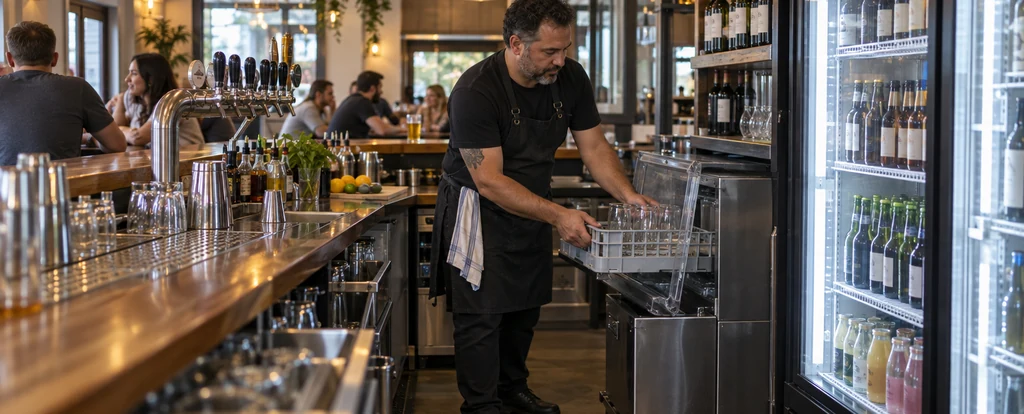
Bar usefuls work behind the bar in pubs, clubs, hotels and function venues, collecting glassware, restocking fridges and keeping the floor and benches clear. The role takes the carrying, cleaning and restocking off the bartenders, which is why it is usually the first job someone holds in a licensed venue. With a responsible service of alcohol certificate and a few shifts of training, you can start without any previous bar experience.
How much do bar usefuls earn?
The median full-time salary for a bar useful is $49,900 per annum, before tax, up $10,700 since 2018.
Pay for bar usefuls usually follows the Hospitality Industry (General) Award, so the shifts you take matter as much as the hours you work: evenings, weekends and public holidays attract penalty rates, and casual loading adds to the hourly rate instead of paid leave. Hotels and larger clubs on enterprise agreements tend to pay above the award, while event and function work varies widely between venues.
What does a bar useful do day to day?
The list below is what fills most weeks; the exact mix shifts with seniority and whatever stage the current work is at.
- Collecting glasses from tables and the bar and running them through the glass washer
- Restocking fridges, shelves and kegs before and during service
- Wiping benches, sweeping floors and clearing spills
- Carrying drinks and food orders out to tables
- Helping bartenders with ice, garnishes and basic preparation when the bar is busy
What skills do bar usefuls need?
Employers look for food safety and hygiene, cleaning and grounds maintenance, inventory management, backed by Point-of-sale systems (Lightspeed, Square) fluency and strong customer service.
Specialist skills
- Food safety and hygiene
- Cleaning and grounds maintenance
- Inventory management
- Operations management
Software and tools
- Point-of-sale systems (Lightspeed, Square)
- Glass washing machines
- Beer keg systems
- Cocktail shakers and bar tools
- EFTPOS terminals
General skills
- Customer service
- Attention to detail
- Physical stamina and dexterity
- Written communication
Is the job growing?
About 650 people work as bar usefuls in Australia, and employment is projected to grow 11.3% over the decade to 2035. That's healthy, above-average growth, and the role should stay in solid demand.
How do you become a bar useful?
Here's the path most bar usefuls take, step by step.
- 1Get your RSA certificate
A responsible service of alcohol certificate is required to work in a venue that serves alcohol, and each state and territory runs its own course, so complete the one for where you plan to work. It is a short course, often finished online or in a day.
- 2Apply to venues directly
Employers do not ask for a qualification to start, and 70% of people in the role finished their education at Year 12 or below. Pubs, clubs, hotels, function centres and stadiums all employ bar usefuls, and a short resume handed in at a quiet time of day often works better than an online application.
- 3Learn the stock, the glassware and the floor
Most venues train you over a few shifts: where the stock is kept, how the glass washer runs, which glass goes with which drink, and how to move through a crowded bar without spills.
- 4Ask to be trained across the bar
Once you know the stock and have your RSA, venues will often move reliable bar usefuls onto basic service, pouring beers and simple mixed drinks. That training is paid and is the usual route into bartending.
Ready to apply as a bar useful?
Whether you're working toward becoming a bar useful or already are one and want a hand with the next step (sharpening your resume for ATS screening, tightening your cover letter, or knowing what you'll actually be asked at interview), here are examples grounded in this specific role, not generic templates.
What jobs can a bar useful move to?
Moving into Gaming Attendant typically comes with the biggest pay rise, worth $30,100 a year more on average.
| Move to | Typical pay change | Overlap | Retraining |
|---|---|---|---|
| Gaming Attendant Bar usefuls move into gaming attendant work with hospitality service skills, gaining the certificate and gaming knowledge required.Known move | +$30,100 | 14% | reskill |
| Bartender Bar usefuls bring bar stock and service familiarity to bartending, adding drink preparation and responsible service through further training.Known move | +$28,100 | 26% | reskill |
| Barista Bar usefuls bring espresso bar support and customer focus to barista work, learning coffee preparation and equipment use.Known move | +$28,100 | 26% | reskill |
| Waiter Bar usefuls take drink running and customer service into waiting, adding table service and order taking through further training.Known move | +$20,100 | 26% | reskill |
Moves are chosen from Jobs and Skills Australia's Data on Occupation Mobility, which follows income tax records between 2011-12 and 2020-21, together with entry requirements and skill overlap. A known move is one people were seen making in that data. Pay change compares median full-time pay for the two roles.
Who works as a bar useful?
The typical bar useful is 20 years old; 83% are men, 8% work full-time, and full-timers average 45 hours a week.
- 20
- Median age
- 17%
- Female share
- 8%
- Full-time
- +5h
- vs all-jobs avg
What's it like being a bar useful?
A shift has a clear shape: set up before the doors open, stay ahead of glasses, ice and stock through the rush, then clean down after last drinks. The work is fast and physical, and the feedback is immediate, because a bar that runs out of clean glasses or cold beer tells you straight away. It suits people who like being on their feet in a team and do not mind finishing late.
What people like
- The job is finished when the shift ends. You set the bar up, keep it moving, then clean down, so nothing is waiting for you the next morning.
- You learn the bar from the inside. Working alongside bartenders, you pick up the stock, the glassware and eventually the drinks, which shortens the step up to service work.
- You can start quickly. An RSA certificate and a short resume are enough for a first shift, which suits school leavers, students and people returning to work.
- Busy nights move fast. A packed bar gives the shift a rhythm, and there is a clear sense of a team keeping it going.
What people find hard
- Late finishes are normal. Closing shifts run past midnight, and the clean-down happens after the last customer has left.
- The work is physical. Kegs, crates of glassware and hours on your feet add up, and there is no sitting down through a rush.
- Hours are uneven. Many bar usefuls work casually, so shifts shift from week to week and quiet periods mean fewer of them.
- Some shifts drag. A quiet midweek afternoon in a sleepy venue is a long way from a packed Saturday night.
Based on our synthesis of professional-body surveys and public accounts of the role, not first-person verified reviews.
Which industries employ bar usefuls?
Accommodation and Food Services employs the largest share of bar usefuls, followed by Arts and Recreation Services.
Top employing industries
- 1Accommodation and Food Services
- 2Arts and Recreation Services
Ranked by employment share; the source doesn't publish an exact percentage per industry.
| Year 12 or below | 69.5% | |
|---|---|---|
| Certificate III/IV | 11.1% | |
| Bachelor degree | 7.6% | |
| Diploma / Advanced Diploma | 7.1% | |
| Postgraduate | 2.3% |
Will AI replace bar usefuls?
Bar useful work is low exposure because almost all of it is physical and happens in a room full of people. Point-of-sale systems and stock software can flag what is running low or place an order automatically, and glass washers and dishwashers have taken over the hottest part of the cleaning. Someone still has to carry the crates, wipe the benches, change the kegs and read the room when the bar fills up.
Share of typical working time by exposure level
- Collecting and washing glasswareClearing glasses from tables and the bar is hands-on, and a glass washer only takes over the washing once someone has carried the load to it.30%low
- Restocking fridges, shelves and kegsStock software can tell you the fridges are low, and someone still has to lift the crates, rotate stock and change the keg before service starts.25%low
- Cleaning the bar, floors and service areasWiping benches, sweeping and clearing spills is done between customers, at speed, in whatever order the night demands.25%low
- Running drinks and helping behind the bar during serviceTable-ordering apps and order screens cut some trips to the bar, but the drinks still get carried out and handed over.20%moderate
Common questions about becoming a bar useful
Straight answers to the questions people ask most.
How much do bar usefuls earn?
Full-time bar usefuls earn a median of $49,900 per year before tax. Shift penalties, casual loading and the kind of venue you work in move that figure more than experience does.
How do you become a bar useful?
Get a responsible service of alcohol certificate for the state or territory where you will work, then apply directly to pubs, clubs, hotels and function venues. No qualification or previous experience is needed, and most venues train you on the job over your first few shifts.
Are bar usefuls in demand?
Bar usefuls are currently not in shortage, and employment is projected to grow 11.3% over the decade to 2035. Openings come up wherever licensed venues are hiring, and the role is a common way into hospitality work.
Will AI replace bar usefuls?
Very little of this job can be automated. Point-of-sale and stock systems can flag what is running low and order it, and glass washers have taken over the hottest part of the cleaning, but someone still has to carry the crates, change the kegs and read a busy room.
What can a bar useful move on to?
Bartenders earn $28,100 more on the median, and bar usefuls already know the stock, the glassware and the service area, so the move means adding drink preparation and responsible service. Barista work keeps you in the same bar setting with coffee training done on the job. Gaming attendant is a third move, and it needs the gaming certificate and knowledge of the machines.
What are the hours like?
Bar usefuls in full-time roles work 45 hours a week on average. Much of the work is casual and scheduled around nights, weekends and events, which is what makes it fit around study.
Related roles
Not sure this is you? Take the career quiz and get a ranked shortlist of roles that fit how you like to work.