Cabinet Maker
Cabinet makers build the kitchens, wardrobes and fitted furniture that go into homes and shops, working from drawings to cut, join and finish each piece.
- Median salary
- $72,800
3.9%vs last year, before tax
- People employed
- 30,500
0.7%vs last year
- Projected growth
- +7.8%
to 2035
- AI exposure*
- Low
- automation risk
- Average hours
- 43/wk
+3h vs all jobs
- Shortage status
- In shortage
national
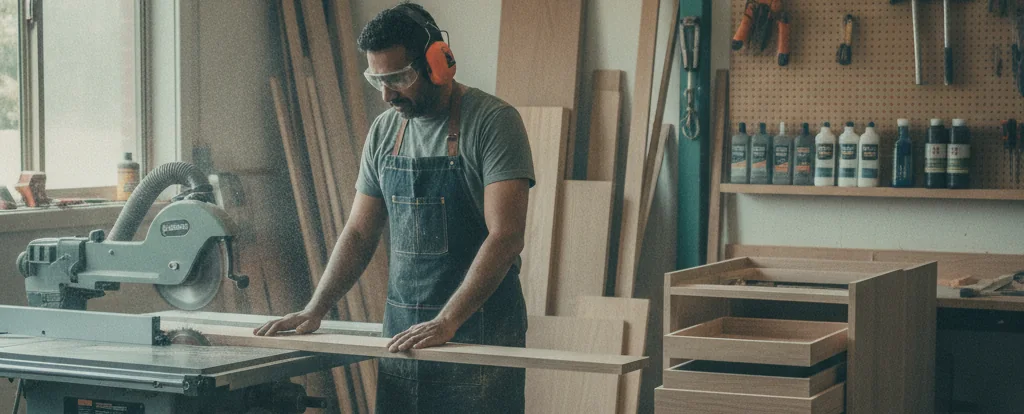
Cabinet makers spend most of their week in a joinery workshop, cutting, assembling and finishing cabinetry before it is delivered and installed on site. That workshop base is what separates the trade from carpentry, which is largely structural work done on site. Most are employed by kitchen and joinery companies, shopfitters or manufacturers, and use a panel saw and CNC router alongside hand tools to turn a set of drawings into finished joinery, while a good number run their own small workshop.
How much do cabinet makers earn?
The median full-time salary for a cabinet maker is $72,800 per annum, before tax, up $15,100 since 2018.
Pay is set by the award or enterprise agreement the workshop operates under, and it moves with the sector you work in, your skill level and how much overtime you take on. Installation and commercial fit-out work often carries site allowances that a bench job does not. If you set up your own workshop, what you earn depends on the jobs you win rather than an hourly rate.
What does a cabinet maker do day to day?
The list below is what fills most weeks; the exact mix shifts with seniority and whatever stage the current work is at.
- Working from drawings and cutting lists to break a kitchen or fit-out job into exact panel and component sizes
- Running sheet material through the panel saw and CNC router to cut components to fine tolerances
- Fitting joints, hinges and drawer runners at the bench so doors sit flush and drawers glide properly
- Sanding and finishing surfaces, matching veneers or laminates so grain and colour run true across a job
- Delivering finished cabinetry to site and scribing it in around walls, floors and ceilings that are never quite square
What skills do cabinet makers need?
Employers look for reading plans and specifications, hand and power tool work, fabrication and finishing, backed by Table saw fluency and strong attention to detail.
Specialist skills
- Reading plans and specifications
- Hand and power tool work
- Fabrication and finishing
- Building codes and standards
- Craft and handmade production
Software and tools
- Table saw
- CNC router
- Hand planes
- Orbital sander
- Tape measure
General skills
- Attention to detail
- Problem solving
Is the job growing?
About 30,500 people work as cabinet makers in Australia, and employment is projected to grow 7.8% over the decade to 2035. That's modest growth: demand is steady rather than booming.
How do you become a cabinet maker?
Here's the path most cabinet makers take, step by step.
- 1Finish Year 10 or Year 12
There is no ATAR requirement to start, but maths and design, timber or technology subjects give you a head start on reading plans and working out measurements. Most people enter straight from school.
- 2Take on an apprenticeship
A cabinet making apprenticeship runs about three to four years and is paid from day one, combining workshop hours with trade training. You usually find a spot through a joinery company, shopfitter or manufacturer, or through a group training organisation that places apprentices with host businesses.
- 3Complete the trade qualification
The apprenticeship delivers a Certificate III in cabinet making. About 63% of people working as cabinet makers hold a Certificate III/IV, which is the qualification most employers look for when hiring a tradesperson.
- 4Pick a direction
Once qualified, cabinet makers often lean into commercial fit-outs and installation, CNC programming and machine setup, heritage restoration or high-end bespoke furniture. A Certificate IV or diploma in furniture design or management suits those heading for a supervisor or workshop manager role.
Ready to apply as a cabinet maker?
Whether you're working toward becoming a cabinet maker or already are one and want a hand with the next step (sharpening your resume for ATS screening, tightening your cover letter, or knowing what you'll actually be asked at interview), here are examples grounded in this specific role, not generic templates.
What jobs can a cabinet maker move to?
Moving into Carpenter typically comes with the biggest pay rise, worth $18,700 a year more on average.
| Move to | Typical pay change | Overlap | Retraining |
|---|---|---|---|
| Carpenter Cabinet makers bring precise timber joinery, measuring and drawing skills to carpentry, though structural framing and site work require further study.Known move | +$18,700 | 57% | reskill |
| Joiner Cabinet making skills in timber construction and assembly carry into joinery, with additional training in door, window and structural timber components.Known move | +$0 | 57% | reskill |
| Shopfitter Cabinet makers already build fitted furniture and joinery, so shopfitting adds site installation and commercial fit-out skills to the same trade base. | +$0 | 57% | reskill |
| Wood Machinist Cabinet makers use woodworking machines daily, so moving into wood machining builds on cutting, shaping and setup skills with specialist machine training.Known move | −$2,600 | 38% | reskill |
| Furniture Finisher Cabinet makers understand timber surfaces and assembly, but finishing furniture requires a separate apprenticeship for spray, stain and lacquer work. | −$7,800 | 29% | requalify |
Moves are chosen from Jobs and Skills Australia's Data on Occupation Mobility, which follows income tax records between 2011-12 and 2020-21, together with entry requirements and skill overlap. A known move is one people were seen making in that data. Pay change compares median full-time pay for the two roles.
Who works as a cabinet maker?
The typical cabinet maker is 37 years old; 95% are men, 93% work full-time, and full-timers average 43 hours a week.
- 37
- Median age
- 5%
- Female share
- 93%
- Full-time
- +3h
- vs all-jobs avg
What's it like being a cabinet maker?
The week runs on a workshop rhythm: setting out and cutting early on, then assembly and finishing as the job comes together. Precision matters more than speed at the bench, but the deadlines come from builders and clients, so quiet weeks can turn long just before a handover. It suits someone who likes a tangible result and does not mind being on their feet for most of the day.
What people like
- The job ends in something you can look at. A stack of panels becomes a kitchen that fits a real house, and the result stays on show for years. That finished piece is the clearest measure of whether you got the details right.
- Hand tools and machines in the same week. One job has you paring a joint with a chisel so a door hangs true, the next has you setting up a nesting program and loading sheets onto the CNC. The mix keeps the work from feeling like one long production line.
- Tight tolerances are satisfying. Doors that sit flush and drawers that run smoothly come from measuring carefully and allowing for the material, not from luck. That kind of precision is one of the reasons the trade appeals to people who like working with their hands.
- Room to specialise. Cabinet makers move toward commercial shopfitting, heritage joinery, CNC programming or their own bespoke furniture work. Each of those directions uses the same trade base but looks quite different day to day.
What people find hard
- Long days on your feet. Full-time hours average 43 a week, and most of that is spent standing at a bench or machine. It is physical work, and legs and back feel it in busy periods.
- Site measurements that do not match the plan. Walls, floors and ceilings are rarely square, so installation means scribing and adjusting on the spot. A job that was perfect in the workshop can still need reworking once it is in the room.
- Dust, noise and finishes. Machining, sanding and spray finishing mean extraction systems, masks and hearing protection are part of the routine. Some people never quite get used to the noise and the smell of lacquer and adhesive.
- Deadlines bunch up before handover. Builders and clients change programs and dimensions, and the workshop absorbs the delay. The last week before a job goes out is often much busier than the weeks before it.
Based on our synthesis of professional-body surveys and public accounts of the role, not first-person verified reviews.
Which industries employ cabinet makers?
Manufacturing employs the largest share of cabinet makers, followed by Construction.
Top employing industries
- 1Manufacturing
- 2Construction
Ranked by employment share; the source doesn't publish an exact percentage per industry.
| Certificate III/IV | 62.9% | |
|---|---|---|
| Year 12 or below | 27% | |
| Diploma / Advanced Diploma | 3.6% | |
| Bachelor degree | 3.4% | |
| Postgraduate | 0.8% |
Will AI replace cabinet makers?
Cabinet making has low exposure to AI because the trade is physical and mostly one-off: material has to be handled, assembled and fitted into rooms that are never exactly as drawn. CAD and CNC nesting software do more of the layout and cutting optimisation than they used to, and that has sped up panel processing without removing the bench and site work around it. What keeps the rating low is the fitting and finishing, which depends on a machine being set up correctly and a tradesperson adjusting on site.
Share of typical working time by exposure level
- Fitting joints, hinges and runners at the benchHanging doors so they sit flush, adjusting runners and matching grain across a run of cabinets is hand work guided by feel and small corrections that a machine cannot make.35%low
- Installing and scribing cabinetry on siteEvery room is slightly different, so levelling, packing and scribing panels around a bowed wall is decided on the spot by the tradesperson doing the install.25%low
- Reading drawings and setting out cutting listsNesting and CAD software can work out panel layouts and sheet yields, but someone still has to check the plans, allow for hardware and edge banding, and catch the mistakes before material is cut.20%moderate
- Cutting and shaping components on the saw and CNCA nested-based router cuts a whole kitchen from a few sheets with minimal handling, though the operator still sets up tooling, checks the first piece and sorts the output.20%high
Common questions about becoming a cabinet maker
Straight answers to the questions people ask most.
How much does a cabinet maker earn?
Cabinet makers earn a median of $72,800 per year before tax for full-time work. What you take home depends on the award or enterprise agreement the workshop operates under, which sector you work in, and whether your week includes site installation, which often carries allowances a bench job does not.
How do you become a cabinet maker?
The standard route is a paid apprenticeship of about three to four years, combining workshop hours with training toward a Certificate III in cabinet making. You find one through a joinery company, shopfitter or manufacturer, or through a group training organisation that places apprentices with host employers. People coming from assembling or machine operating sometimes get a start that way, but trade recognition still needs the apprenticeship.
Are cabinet makers in demand?
Cabinet makers are currently in shortage nationally, and employment is projected to grow 7.8% over the decade to 2035 over the decade to 2035. Demand follows new housing, renovations and commercial fit-outs, which means work is spread across manufacturers, joinery shops and shopfitters rather than concentrated in one part of the country. For someone starting out, it is worth looking at which local employers take on apprentices before you commit to a training contract.
Will AI or automation replace cabinet makers?
Most of this trade sits well away from what AI does, because the work is physical and every job is measured against a real room. CAD drawings and CNC nesting software already handle layout and cutting optimisation, and they have changed how panels are processed rather than removing the trade. What remains is machine setup, assembly, finishing and the on-site fitting that decides whether a kitchen actually works.
What can a cabinet maker move into?
Carpentry is a common move, paying $18,700 more and sharing the timber, measuring and drawing skills, though structural framing and site work need further study. Joiner is an easy fit on the same trade base, making doors, windows and timber components, and pays about the same. Many cabinet makers eventually run their own workshop or fit-out business, which is often where earnings grow because income comes from the jobs you win rather than an hourly rate.
Is cabinet making a dying trade?
The trade is changing rather than disappearing: more components are cut off site, and imported flat-pack units take some of the low end of the market. Fitted cabinetry still has to be measured, made to suit a specific space and installed by someone who can deal with an out-of-square room. Cabinet makers who can program machines, read drawings and finish to a high standard keep working through those shifts.
Related roles
Not sure this is you? Take the career quiz and get a ranked shortlist of roles that fit how you like to work.