Grip
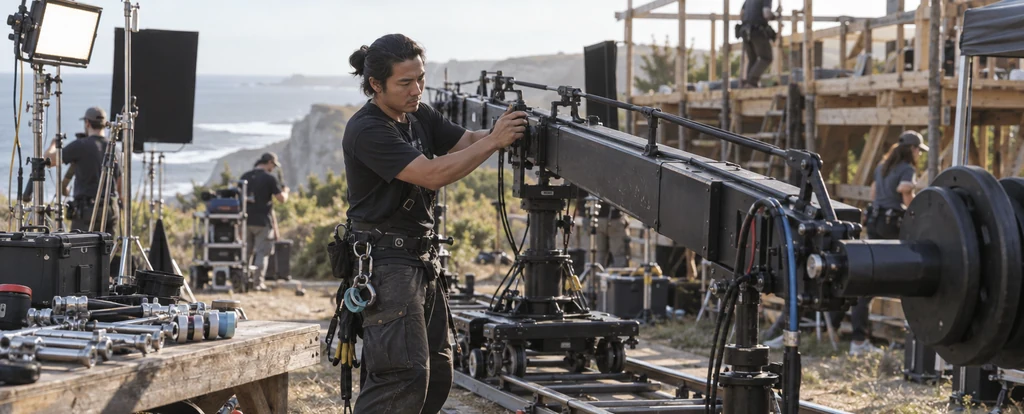
Grips rig and operate the camera and lighting supports that keep a film or television shot steady.
- Median salary*
- $88,400
4.4%vs last year, before tax
- People employed*
- 1,200
0.0%vs last year
- Projected growth*
- +3%
to 2035
- AI exposure*
- Low
- automation risk
- Average hours*
- 48/wk
+8h vs all jobs
- Shortage status*
- Not in shortage
national
Grips work on film sets, television studios and outdoor locations, building the mounts, dollies and rigs that cameras and lights sit on. The job sits apart from the camera and lighting departments: grips do not frame the shot or design the lighting, they make both physically possible and safe. Most are freelancers, hired production by production across feature films, television series, sport broadcasts and advertising shoots.
How much do grips earn?
The median full-time salary for a grip is $88,400 per annum, before tax, up $18,700 since 2018.
Grips are usually paid a day rate, and that rate is set by the production's budget and any industry agreement that covers it rather than by a single national award. Bigger productions and union-covered crews tend to pay more, while commercials and low-budget shoots often pay less. Overtime, night shoots and travel allowances can add to a year's total, particularly on location work.
What does a grip do day to day?
The list below is what fills most weeks; the exact mix shifts with seniority and whatever stage the current work is at.
- Rigging and levelling camera dollies, cranes and jibs before a shot
- Operating dolly and crane moves during takes so the camera stays steady
- Setting up and securing lighting stands, frames and rigging hardware
- Prepping, inspecting and repairing grip equipment between shoot days
- Working with the camera and lighting departments on set to solve rigging problems
What skills do grips need?
Employers look for hand and power tool work, plant and equipment operation, worksite safety management, backed by Camera dollies fluency and strong physical stamina and dexterity.
Specialist skills
- Hand and power tool work
- Plant and equipment operation
- Worksite safety management
Software and tools
- Camera dollies
- Cranes and jibs
- Camera tripods
- Lighting stands
- Rigging hardware
General skills
- Physical stamina and dexterity
- Problem solving
- Written communication
- Attention to detail
Is the job growing?
About 1,200 people work as grips in Australia, and employment is projected to grow 3% over the decade to 2035. That's modest growth: demand is steady rather than booming.
How do you become a grip?
Here's the path most grips take, step by step.
- 1Start with a screen and media qualification
A Certificate III or IV in screen and media at TAFE covers set practice, safety and equipment handling, and some courses include camera support or grip electives. It is not mandatory, but it gives you a grounding in how a crew is organised before you look for work.
- 2Get on set in an entry role
Many grips start as runners, stagehands or in the lighting department and move across once they know how a shoot runs. Entry work is usually casual and paid by the day, and it is where you meet the crews who hire you again.
- 3Pick up the safety and rigging qualifications
A White Card is needed for work on construction sites used as locations, and rigging equipment overhead usually calls for a high risk work licence for basic rigging. What is required varies by state and by production.
- 4Build shoot days and join the union
The Media, Entertainment and Arts Alliance (MEAA) covers film crew, and membership can help with rates and conditions on productions under industry agreements. A steady record of shoot days is what gets you onto bigger crews.
Ready to apply as a grip?
Whether you're working toward becoming a grip or already are one and want a hand with the next step (sharpening your resume for ATS screening, tightening your cover letter, or knowing what you'll actually be asked at interview), here are examples grounded in this specific role, not generic templates.
What jobs can a grip move to?
Moving into Rigger typically comes with the biggest pay rise, worth $5,200 a year more on average.
| Move to | Typical pay change | Overlap | Retraining |
|---|---|---|---|
| Rigger Grips rig camera and lighting supports, so rigging work transfers with a short course in industrial rigging. | +$5,200 | 75% | short course |
| Pyrotechnician Grips with set safety experience can train as pyrotechnicians with a short course and licence. | −$5,200 | 60% | short course |
| Lighting Technician Grips already handle lighting rigs and can move into lighting technician work with a short course. | −$18,200 | 53% | short course |
Moves are chosen from Jobs and Skills Australia's Data on Occupation Mobility, which follows income tax records between 2011-12 and 2020-21, together with entry requirements and skill overlap. A known move is one people were seen making in that data. Pay change compares median full-time pay for the two roles.
Who works as a grip?
The typical grip is 38 years old; 82% are men, 65% work full-time, and full-timers average 48 hours a week.
- 38
- Median age
- 18%
- Female share
- 65%
- Full-time
- +8h
- vs all-jobs avg
What's it like being a grip?
The rhythm of the job follows the shoot: long days on set, then downtime between productions while you look for the next one. Full-time grips work around 48 hours a week, and those hours start early in the morning or run late at night depending on the schedule. It suits someone who likes solving physical problems under time pressure, working with their hands and spending part of the year outdoors.
What people like
- The shot works because of the rig. When a dolly move lands cleanly or a crane shot holds steady, the result is on screen and the camera crew knows who built it.
- Hands-on work with real tools. Days are spent building, levelling and adjusting equipment rather than sitting at a desk, which suits people who like being on their feet.
- Small, close crews. Grip departments are often only two or three people, so you work closely with the same crew across a shoot and learn how each other works.
- Every production is different. A feature, a sports broadcast and an advertising shoot each bring different rigs, gear and locations, so the work does not settle into one routine.
What people find hard
- Long days on your feet. Shoot days start early and run long, and much of that time is spent standing, lifting and carrying equipment in the same position.
- Weather and awkward locations. Exterior shoots go ahead in heat, cold and rain, and locations can be muddy, dusty or hard to move heavy gear into.
- The work comes job by job. Most grips are freelance, so income depends on being available when a production is crewing and on the contacts you have built.
- The gear is heavy. Cranes, dollies and lighting frames are awkward loads, and backs and shoulders take the wear over a long career.
Based on our synthesis of professional-body surveys and public accounts of the role, not first-person verified reviews.
Which industries employ grips?
Motion picture and video production employs the largest share of grips, followed by Television broadcasting.
Top employing industries
- 1Motion picture and video production
- 2Television broadcasting
- 3Advertising and marketing services
- 4Performing arts
- 5Online content creation
Ranked by employment share; the source doesn't publish an exact percentage per industry.
| Certificate III/IV | 34% | |
|---|---|---|
| Diploma / Advanced Diploma | 26% | |
| Bachelor degree | 20% | |
| Year 12 or below | 20% |
Will AI replace grips?
Grip work has low exposure to AI and automation, because almost everything it involves happens physically on set in real time. Software can help with scheduling, gear lists and inventory, and planning tools can test a rig layout before the crew builds it, but the building, levelling and load checking are done by people.
Share of typical working time by exposure level
- Rigging camera supportDollies, cranes, jibs and tripods have to be built, levelled and checked against the shot in front of you, on ground that is rarely flat.35%low
- Rigging and securing lightingFrames, stands and overhead rigs are placed by hand and tested under load with the crew standing nearby.25%low
- Equipment prep and maintenanceGear is inspected, cleaned and repaired between jobs, which is where worn cables and seized wheels get caught before a shoot day.20%low
- Planning, gear lists and paperworkScheduling and inventory software can track what a production needs and when, though the rig plan still depends on the location and the shot.20%moderate
Common questions about becoming a grip
Straight answers to the questions people ask most.
How much does a grip earn?
Grips earn a median of $88,400 per year before tax. Most are paid a day rate set by the production and any industry agreement that covers it, so a year's income depends on how many shoot days you pick up.
How do you become a grip?
Most grips start on set in an entry role such as runner or stagehand, learn rigging and equipment handling on the job, and move into the grip department as an assistant. A Certificate III or IV in screen and media helps, and a White Card or a high risk work licence for rigging is needed for some productions and locations.
Are grips in demand?
About 1,200 people work as grips in Australia, and they are currently not in shortage. Employment is projected to grow 3% over the decade to 2035. Because the field is small, openings depend on how much film and television production is shooting locally rather than on people leaving the job.
Will AI replace grips?
Grip work has low exposure to AI and automation, because the job happens physically on set in real time and no machine builds and levels a dolly under a moving camera. Scheduling and inventory software may take over more of the paperwork and gear tracking, and planning tools can help work out a rig, but the rigging itself stays in the crew's hands.
What jobs can a grip move into?
Lighting technician work uses the same rigging and safety skills and pays $18,200 less, while industrial rigging transfers the hardware knowledge directly. Pyrotechnician work builds on set safety experience and usually pays $5,200 less, with a short course and a licence required.
What is the difference between a grip and a lighting technician?
A lighting technician chooses and runs the lights themselves, shaping the light for each scene, while a grip handles the stands, rigs and camera support that hold the equipment in place. The two departments work side by side, and some people move between them during their career.
Related roles
Not sure this is you? Take the career quiz and get a ranked shortlist of roles that fit how you like to work.