Laboratory Technician
Laboratory technicians prepare and test biological, chemical or environmental samples, then record the results that scientists, clinicians and regulators rely on.
- Median salary
- $93,300
3.8%vs last year, before tax
- People employed
- 23,500
0.4%vs last year
- Projected growth
- +8.6%
to 2035
- AI exposure*
- Moderate
- automation risk
- Average hours
- 43/wk
+3h vs all jobs
- Shortage status
- Not in shortage
national
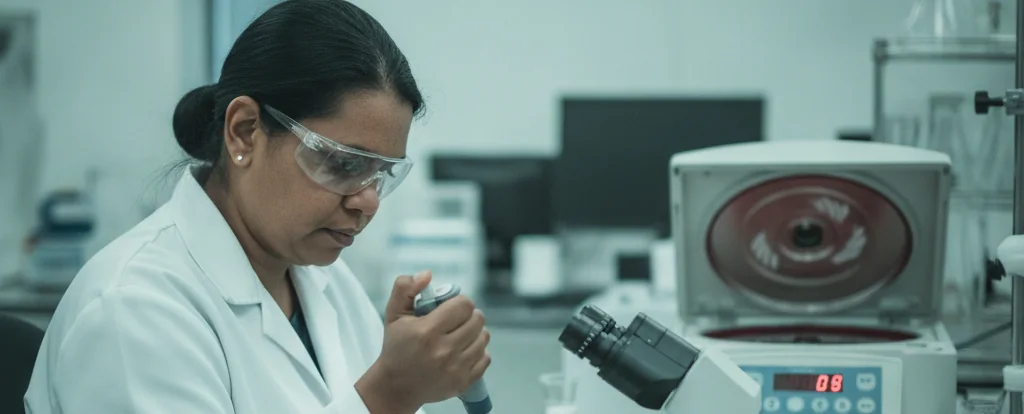
Laboratory technicians run routine and semi-complex tests on patient samples, environmental specimens or research materials, following set methods on analysers rather than designing the experiments themselves. Most work in a hospital pathology lab, a private diagnostic service, a food or environmental testing company, or a university research lab, and what they test depends on that setting. The role sits below a medical laboratory scientist: technicians usually work under supervision on routine testing, while scientists interpret and validate results and take on the more complex analysis.
How much do laboratory technicians earn?
The median full-time salary for a laboratory technician is $93,300 per annum, before tax, up $19,300 since 2018.
Sector moves pay more than anything else: public hospital pathology and university labs usually pay under enterprise agreements with set bands, while private pathology and commercial testing companies set their own rates for similar bench work. Because many labs run around the clock, shift load matters, with afternoon, night and weekend penalties adding to base rates. Qualifications lift you as well, since a diploma or degree opens senior technician and specialist testing roles that certificate-level staff rarely access.
What does a laboratory technician do day to day?
The list below is what fills most weeks; the exact mix shifts with seniority and whatever stage the current work is at.
- Preparing and labelling sample batches so every result can be traced back to the right patient or specimen
- Loading samples onto analysers and flagging any reading that looks off before it reaches a report
- Calibrating and maintaining instruments so results stay within tolerance
- Entering results into the laboratory information system and signing off quality-control checks
- Restocking reagents and consumables between batches so testing does not stall mid-shift
What skills do laboratory technicians need?
Employers look for laboratory analysis, data analysis, regulatory compliance, backed by Automated analysers (Siemens, Roche, Abbott) fluency and strong attention to detail.
Specialist skills
- Laboratory analysis
- Data analysis
- Regulatory compliance
- Field research and sampling
Software and tools
- Automated analysers (Siemens, Roche, Abbott)
- Microscopes and imaging software
- Laboratory Information System (LIS)
- Pipettes and centrifuges
- Quality control software
General skills
- Attention to detail
- Problem solving
- Safety and compliance awareness
Is the job growing?
About 23,500 people work as laboratory technicians in Australia, and employment is projected to grow 8.6% over the decade to 2035. That's modest growth: demand is steady rather than booming.
How do you become a laboratory technician?
Here's the path most laboratory technicians take, step by step.
- 1Finish Year 12 with a science subject
English plus chemistry or biology gives you the base the certificate and diploma courses assume, and most labs expect it before you start.
- 2Study a laboratory qualification
A Certificate III or IV in Laboratory Techniques takes roughly six months to a year at TAFE and is the common entry point. A Diploma of Laboratory Technology (MSL50122) runs about two years and opens more specialist bench work.
- 3Get an entry-level lab job
Specimen reception, lab assistant and sample preparation roles are paid, and they build the bench habits employers ask for. Some technicians start this way and study part time around their shifts.
- 4Learn the quality system
Australian labs work to documented methods under NATA accreditation, so being able to follow a written procedure and keep records to match is what makes you employable across different labs.
- 5Plan further study if you want to move up
Medical laboratory scientists need an accredited science degree and professional accreditation through AIMS, so technicians aiming for that scope usually upgrade through a degree, often part time while working.
Ready to apply as a laboratory technician?
Whether you're working toward becoming a laboratory technician or already are one and want a hand with the next step (sharpening your resume for ATS screening, tightening your cover letter, or knowing what you'll actually be asked at interview), here are examples grounded in this specific role, not generic templates.
What jobs can a laboratory technician move to?
Moving into Laboratory Manager typically comes with the biggest pay rise, worth $26,300 a year more on average.
| Move to | Typical pay change | Overlap | Retraining |
|---|---|---|---|
| Laboratory Manager Technicians who run a lab's daily work move up to managing staff, schedules and quality systems, adding management study.Known move | +$26,300 | 32% | requalify |
| Food Scientist Sample testing, method work and quality records carry straight into food product testing and development, with a science degree.Known move | +$20,800 | 74% | requalify |
| Chemist Wet chemistry and instrument skills transfer into analytical or research chemistry, which requires a chemistry degree for professional duties.Known move | +$20,800 | 58% | requalify |
| Medical Laboratory Scientist Bench skills in sample preparation and testing carry into diagnostic laboratory work, with a science degree needed for the scientist role.Known move | +$13,600 | 58% | requalify |
| Microbiologist Culture, plating and aseptic technique from the bench carry into microbiology testing and research, with a degree in the field.Known move | −$13,000 | 74% | requalify |
Moves are chosen from Jobs and Skills Australia's Data on Occupation Mobility, which follows income tax records between 2011-12 and 2020-21, together with entry requirements and skill overlap. A known move is one people were seen making in that data. Pay change compares median full-time pay for the two roles.
Who works as a laboratory technician?
The typical laboratory technician is 44 years old; 51% are men, 74% work full-time, and full-timers average 43 hours a week.
- 44
- Median age
- 49%
- Female share
- 74%
- Full-time
- +3h
- vs all-jobs avg
What's it like being a laboratory technician?
The day has a steady rhythm set by sample batches, instrument runs and quality checks rather than deadlines you set yourself, which suits people who like a clear procedure and a tidy finish. The pressure comes from turnaround, because results feed clinical decisions or hold up production, so a failed analyser or a flagged sample has to be sorted out quickly. Most technicians work in a small bench team with scientists or pathologists above them, and in larger labs on a rostered shift pattern.
What people like
- Results that matter to someone. You may never meet the patient or the customer, but a clear result that releases a batch of food or confirms a diagnosis is a real outcome tied to your bench work.
- Clear procedures and a defined day. Methods are documented and quality-checked, so you know what a good result looks like and can finish a batch knowing it was done properly.
- Being the one who keeps instruments running. Technicians who understand calibration and troubleshooting become the people colleagues come to when a run fails, and that knowledge travels with you between labs.
- Room to move between settings. The same core skills suit hospital pathology, food and environmental testing, mining labs and university research, so you can follow the work rather than one employer.
What people find hard
- Repetitive batch work. Large pathology labs run the same assays in high volumes, and the middle of a shift can be hours of loading, checking and logging that changes little from one day to the next.
- Pressure when something fails mid-run. If an analyser goes down or a control fails, the samples still need reporting, so you troubleshoot against the clock while the queue builds behind you.
- You do not interpret the result. The scope sits below the scientist role, so you run and record the test while someone else decides what it means, and moving past that usually means going back to study.
- Shifts, protective gear and hazardous samples. Many labs run evenings, nights and weekends, and the work involves chemical and biological hazards, so gowns, gloves and fume hoods are part of every day.
Based on our synthesis of professional-body surveys and public accounts of the role, not first-person verified reviews.
Which industries employ laboratory technicians?
Education and Training employs the largest share of laboratory technicians, followed by Professional, Scientific and Technical Services.
Top employing industries
- 1Education and Training
- 2Professional, Scientific and Technical Services
- 3Public Administration and Safety
Ranked by employment share; the source doesn't publish an exact percentage per industry.
| Bachelor degree | 33.7% | |
|---|---|---|
| Year 12 or below | 17.6% | |
| Diploma / Advanced Diploma | 15.8% | |
| Certificate III/IV | 15.8% | |
| Postgraduate | 13.4% |
Will AI replace laboratory technicians?
Laboratory work is already partly automated, with analysers doing the loading, measuring and first-pass flagging, and laboratory information systems capturing results as they are produced. That takes over much of the repetitive testing a technician once did by hand, but it does not remove the need for someone to prepare samples, judge whether a result can be trusted, troubleshoot the instrument and keep the quality records in order. The job is shifting towards supervising the systems rather than performing every step manually.
Share of typical working time by exposure level
- Running tests on automated analysersThe instrument performs the measurement and produces the first result, so the technician loads the run, watches the controls and steps in when a reading is flagged.35%high
- Recording results and signing off quality controlThe laboratory information system captures results as they are produced, but technicians check them against quality rules and record what was done, which is where mistakes get caught.25%moderate
- Preparing and labelling samplesSamples arrive in batches that need sorting, labelling and checking against the request form, and getting the identity right is physical, verifiable work that automation does not cover.20%low
- Calibrating and troubleshooting instrumentsWorking out why a control failed or a reading drifted draws on hands-on experience with that machine, and while software suggests a cause, someone still has to test the fix at the bench.20%moderate
Common questions about becoming a laboratory technician
Straight answers to the questions people ask most.
How much does a laboratory technician earn?
Full-time laboratory technicians earn a median of $93,300 per year before tax. Sector and shift load move that figure more than anything else, since public hospital labs pay under enterprise agreements, private pathology and commercial labs set their own rates, and night or weekend penalties add to base pay. Further study is what opens the higher-banded senior technician roles.
How do you become a laboratory technician?
The usual route is a Certificate III or IV in Laboratory Techniques, or a Diploma of Laboratory Technology (MSL50122), followed by an entry-level job in a lab. Some people start in specimen reception or as a lab assistant and study part time while they work. A science degree is not required for technician work, but it is needed if you later want to move into a scientist role.
What hours do laboratory technicians work?
Average full-time hours are 43 a week, and most labs keep a regular roster across the day. Hospital and large private pathology labs run around the clock, so evening, night and weekend shifts are common there, while research and commercial labs often stay closer to standard business hours. 74% of laboratory technicians work full time.
Are laboratory technicians in demand?
Laboratory technicians are currently not in shortage, and employment is projected to grow 8.6% over the decade to 2035. Openings also come from technicians leaving or retiring, so they appear steadily even when growth is flat. Jobs cluster in cities and in labs attached to hospitals, universities and testing companies.
Will AI replace laboratory technicians?
Automation already handles much of the routine testing, with analysers doing the loading, measuring and first-pass flagging that technicians once did by hand. What stays with people is preparing and checking samples, working out why a result looks wrong, and keeping the quality records that make a result defensible. The role is shifting towards supervising instruments rather than disappearing.
What can a laboratory technician move into?
Bench skills carry into several nearby roles, though nearly all of them need further study. Medical laboratory scientists interpret and validate results rather than just running them, and typically earn $13,600 more a year, while food scientists on $20,800 more apply the same testing and quality-record habits to product development. Laboratory managers step away from the bench into staff, schedules and quality systems, and are paid $26,300 more a year more.
Related roles
- Medical Laboratory Scientist
- Laboratory Manager
- Food Scientist
- Chemist
- Microbiologist
- Pathology Collector
Not sure this is you? Take the career quiz and get a ranked shortlist of roles that fit how you like to work.