Production Engineer
Production engineers improve how goods are made, working on the lines, equipment and schedules that turn raw materials into finished products.
- Median salary*
- $108,200
3.9%vs last year, before tax
- People employed
- 4,600
2.2%vs last year
- Projected growth
- +23.1%
to 2035
- AI exposure*
- Moderate
- automation risk
- Average hours
- 43/wk
+3h vs all jobs
- Shortage status
- Not in shortage
national
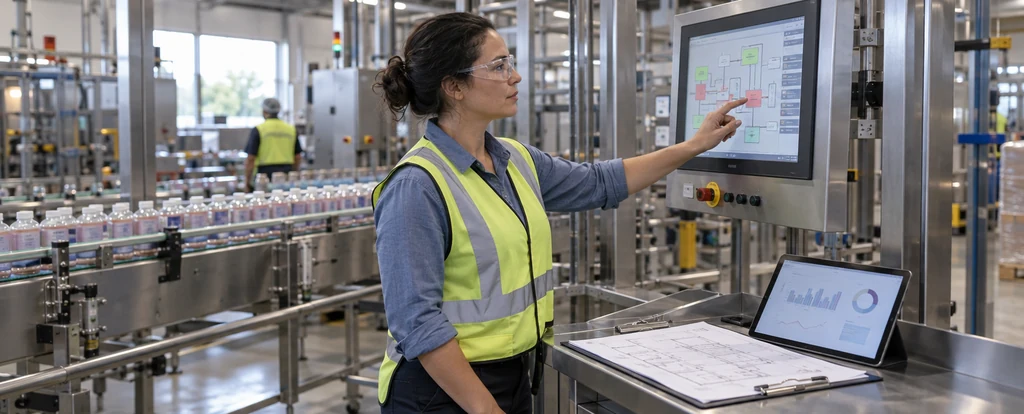
Production engineers split their time between the plant floor and the office, tuning the equipment, workflows and schedules that turn raw materials into finished goods. They sit between design and the people running the machines, which is what separates the role from a design-focused mechanical engineer. Most work for manufacturers, processing plants or mine operators, usually as part of a small engineering team supporting a much larger operations crew.
How much do production engineers earn?
The median full-time salary for a production engineer is $108,200 per annum, before tax, up $22,500 since 2018.
The agreement covering your site moves pay more than anything else, so a mine or a heavy processing plant on a union enterprise agreement sits differently from a small manufacturer on individual contracts. Shift rosters, overtime and production bonuses add to the base in many operations, while seniority shows up in whether you are managing a line or supporting one.
What does a production engineer do day to day?
The list below is what fills most weeks; the exact mix shifts with seniority and whatever stage the current work is at.
- Designing and rebalancing production layouts and workflows so lines run at the rate the schedule needs
- Analysing production data to find bottlenecks, downtime and material waste
- Specifying, commissioning and troubleshooting plant and process equipment, often alongside maintenance crews and suppliers
- Coordinating quality checks, maintenance windows and safety compliance with the shifts on the floor
- Leading continuous improvement projects from measuring the current process to handing over a changed one
What skills do production engineers need?
Employers look for process improvement, operations management, engineering design and analysis, backed by SolidWorks fluency and strong safety and compliance awareness.
Specialist skills
- Process improvement
- Operations management
- Engineering design and analysis
- Project management
- Data analysis
Software and tools
- SolidWorks
- AutoCAD
- SAP ERP
- Minitab
- FlexSim
General skills
- Safety and compliance awareness
- Problem solving
- Attention to detail
Is the job growing?
About 4,600 people work as production engineers in Australia, and employment is projected to grow 23.1% over the decade to 2035. That's very strong growth. Few roles in Australia are expanding this fast, and it points to solid demand for years to come.
How do you become a production engineer?
Here's the path most production engineers take, step by step.
- 1Complete an engineering degree
A four-year Bachelor of Engineering in mechanical, manufacturing, industrial or chemical engineering is the usual entry point, and the program needs to be accredited by Engineers Australia. The degree includes work experience placements, which is often where students first set foot on a plant floor.
- 2Get plant experience while you study
Vacation work, a cadetship or an internship with a manufacturer or mine operator is frequently what separates graduates who get offers from those who don't. It also tells you whether you like the noise and pace of a working plant before you commit to it.
- 3Start in a graduate program or a site role
Large manufacturers and mining companies run structured graduate programs of one to two years with rotations through production, maintenance and planning. Smaller firms tend to hire directly into a line engineering role, with less structure but more responsibility early.
- 4Add a qualification if you are coming from elsewhere
Tradespeople and engineers from other disciplines often bridge across with a graduate diploma or master's in manufacturing or industrial engineering, which covers the process and systems side without repeating a full degree.
- 5Consider chartered status later
Chartered Professional Engineer status through Engineers Australia is voluntary, but it is common among senior production engineers and can matter for consulting, mining and large capital projects.
Ready to apply as a production engineer?
Whether you're working toward becoming a production engineer or already are one and want a hand with the next step (sharpening your resume for ATS screening, tightening your cover letter, or knowing what you'll actually be asked at interview), here are examples grounded in this specific role, not generic templates.
What jobs can a production engineer move to?
Moving into Engineering Manager typically comes with the biggest pay rise, worth $74,800 a year more on average.
| Move to | Typical pay change | Overlap | Retraining |
|---|---|---|---|
| Engineering Manager Experienced production engineers can lead engineering teams, gaining broader leadership and project skills with further study.Known move | +$74,800 | 38% | reskill |
| Chemical Engineer Production engineers in process plants can move into chemical engineering, carrying their plant and process knowledge across.Known move | +$39,900 | 64% | minimal |
| Mechanical Engineer Production engineers bring plant and process knowledge to mechanical design work, though a formal mechanical engineering qualification is needed.Known move | +$27,700 | 31% | reskill |
| Production Manager Production engineers move into managing the lines they know, adding people and budget skills through short management training.Known move | +$11,300 | 50% | short course |
| Industrial Engineer Industrial engineering builds directly on production engineers' process, workflow and efficiency skills, needing little extra training.Known move | +$3,600 | 68% | minimal |
Moves are chosen from Jobs and Skills Australia's Data on Occupation Mobility, which follows income tax records between 2011-12 and 2020-21, together with entry requirements and skill overlap. A known move is one people were seen making in that data. Pay change compares median full-time pay for the two roles.
Who works as a production engineer?
The typical production engineer is 37 years old; 90% are men, 91% work full-time, and full-timers average 43 hours a week.
- 37
- Median age
- 10%
- Female share
- 91%
- Full-time
- +3h
- vs all-jobs avg
What's it like being a production engineer?
The job runs to the rhythm of the plant: steady improvement work most weeks, then pressure when a line goes down or a scheduled shutdown falls due. Production engineers spend as much time with operators, fitters and planners as they do with models and spreadsheets, which suits people who like watching a decision play out on the floor. It rewards patience and clear communication as much as technical skill, because most changes only stick if the crew agrees with them.
What people like
- You can see the line run better. An improvement you designed shows up in output, scrap rates or downtime within weeks, and the crew on the floor will tell you plainly whether it worked.
- The problems are physical and measurable. Bottlenecks, cycle times and breakdowns give you numbers to work with, so debates about what to fix usually settle on evidence rather than opinion.
- You work with everyone on site. A single project can involve operators, maintenance fitters, quality, planning and equipment suppliers, which keeps the weeks varied.
- The skills travel. Process improvement and line design work much the same in food processing, pharmaceuticals or mining, so the experience carries across industries.
What people find hard
- The line sets the pace. When a machine stops, production engineers get pulled into the fix, and that can mean early starts, callouts or weekend work during a shutdown.
- Capital projects move slowly. A change you know will pay for itself can wait a year for budget approval, and older plants often need workarounds rather than the upgrade you wanted.
- You are accountable for things you only partly control. An ageing machine, a late raw material delivery or a short-staffed shift can undo a good plan, and the output target still stands.
- The work is tied to the site. Many plants sit in industrial or regional areas, so the job can mean relocating or a long commute, and fewer options if you want to change employer without moving.
Based on our synthesis of professional-body surveys and public accounts of the role, not first-person verified reviews.
Which industries employ production engineers?
Manufacturing employs the largest share of production engineers, followed by Professional, Scientific and Technical Services.
Top employing industries
- 1Manufacturing
- 2Professional, Scientific and Technical Services
- 3Mining
Ranked by employment share; the source doesn't publish an exact percentage per industry.
| Bachelor degree | 58.3% | |
|---|---|---|
| Postgraduate | 21% | |
| Certificate III/IV | 7.5% | |
| Diploma / Advanced Diploma | 7.3% | |
| Year 12 or below | 4.2% |
Will AI replace production engineers?
Production engineers sit at moderate exposure overall. Planning, scheduling and process analysis are the parts that simulation and production data tools already handle well, flagging bottlenecks and testing changes without much manual work. The plant itself moves more slowly, because commissioning equipment, diagnosing a fault on an ageing machine and getting a shift crew to work differently all depend on being there.
Share of typical working time by exposure level
- Continuous improvement projects with the floor crewsData points to where the waste is, but changing how a shift works, training operators and holding the gain still happens standing next to the machine.30%moderate
- Process analysis and line balancingSimulation and statistical tools can model a line and test a change before it is built, but someone still has to check the model against what the floor actually does.25%moderate
- Equipment specification and commissioningChoosing a machine, running it in and proving it holds cycle time depends on site conditions, supplier negotiations and physical testing.25%low
- Production scheduling and reportingERP and MES systems with forecasting already generate much of the schedule and most of the daily reporting, so this part of the job increasingly means handling exceptions rather than building the plan.20%high
Common questions about becoming a production engineer
Straight answers to the questions people ask most.
How much do production engineers earn?
$108,200 per year before tax is the median for full-time production engineers, so half earn more than that and half earn less. The site agreement matters most, since a mine or heavy processing plant on a union enterprise agreement pays differently from a small manufacturer, and shift rosters or bonuses add to the base in many operations.
How do you become a production engineer?
Most start with a four-year engineering degree, usually in mechanical, manufacturing, industrial or chemical engineering, accredited by Engineers Australia. Getting onto a plant floor during study, through vacation work or a cadetship, is what graduate employers tend to look for. Chartered status is optional and usually comes after a few years of site experience.
Are production engineers in demand?
Production engineers are currently not in shortage, and employment is projected to grow 23.1% over the decade to 2035. Because the work sits in manufacturing, processing and mining, openings cluster where those plants operate, which is often outside the capital cities. A graduate program with a large manufacturer or a mine operator is one direct route in.
Will AI replace production engineers?
The analysis side is changing fastest: simulation tools and production data platforms can model a line and flag a bottleneck far quicker than doing it by hand. What they can't do is decide what to change, win over the crew who have to work differently and see the change through a shutdown. That is why the role sits at moderate exposure rather than high.
What can a production engineer move into?
Industrial engineers earn $3,600 more on the median, and the move needs little extra training because process and workflow analysis carries across. Production manager is the step for someone who wants to run the line rather than improve it, with a median $11,300 more and a short management course behind it. Leading engineering teams takes further study and site experience, and engineering managers earn $74,800 more on the median.
Is a production engineer the same as an industrial engineer?
They overlap a lot, and people move between the two. Industrial engineers tend to work on how systems and work are organised across a business, while production engineers stay close to the plant, the equipment and the line itself. The daily difference is how much of the week you spend on a shop floor.
Related roles
- Mechanical Engineer
- Industrial Engineer
- Production Manager
- Engineering Manager
- Chemical Engineer
- Mechanical Engineer
Not sure this is you? Take the career quiz and get a ranked shortlist of roles that fit how you like to work.