Rafting Guide
Rafting guides take groups down whitewater rivers, steering the raft and keeping everyone safe from put-in to take-out.
- Median salary*
- $59,800
4.5%vs last year, before tax
- People employed*
- 900
0.0%vs last year
- Projected growth
- +12%
to 2035
- AI exposure*
- Low
- automation risk
- Average hours*
- 40/wk
matches all-jobs average
- Shortage status
- In shortage
national
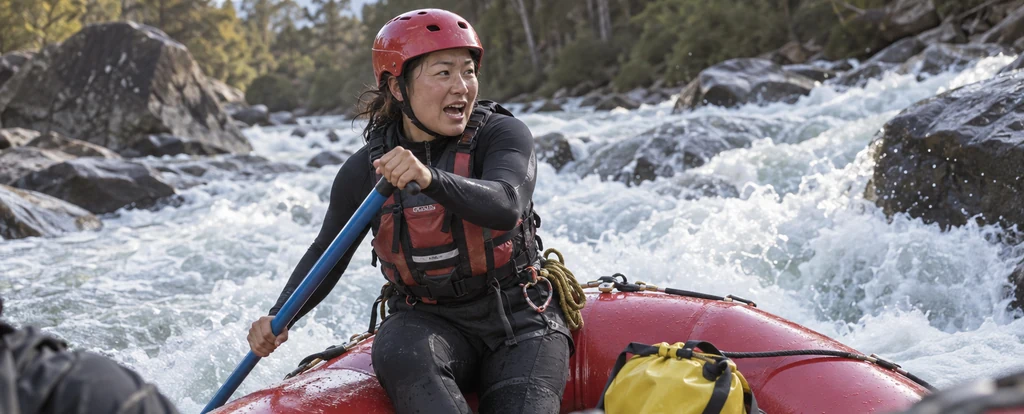
Rafting guides take paying groups down graded whitewater rivers, controlling the raft and coaching paddlers through each rapid. They work for outdoor adventure operators, often seasonally, and are responsible for safety briefings, equipment checks and rescue readiness. The work is physical, weather dependent and concentrated in regional tourism areas, with trips shaped by river flow, the season and the grade of water the operator runs.
How much do rafting guides earn?
The median full-time salary for a rafting guide is $59,800 per annum, before tax, up $12,700 since 2018.
How you're paid matters as much as the rate: many guides work casually or seasonally, on a day rate or an hourly rate with casual loading rather than an annual salary. Experience, the grade of river you're cleared to guide, and whether you hold current rescue and first aid qualifications all move the rate up, and senior or trip-leading guides earn more than trainees. Multi-day expeditions with overnight stays and meals included usually pay better than a half-day run on easy water.
What does a rafting guide do day to day?
The list below is what fills most weeks; the exact mix shifts with seniority and whatever stage the current work is at.
- Briefing clients on paddling technique, river hazards and what to do if they fall out
- Steering the raft through rapids, calling paddle strokes and reading the line ahead
- Scouting rivers and checking water levels and flows before a trip
- Inspecting, loading, cleaning and repairing rafts, paddles and personal flotation devices
- Responding to capsizes, injuries and other on-water emergencies, including throw bag rescues
What skills do rafting guides need?
Employers look for emergency response, plant and equipment operation, risk and internal controls, backed by Inflatable rafts fluency and strong safety and compliance awareness.
Specialist skills
- Emergency response
- Plant and equipment operation
- Risk and internal controls
Software and tools
- Inflatable rafts
- Personal flotation devices
- Safety helmets
- Throw bags and rescue ropes
- Safety kayaks
General skills
- Safety and compliance awareness
- Customer service
- Physical stamina and dexterity
- Written communication
- Problem solving
Is the job growing?
About 900 people work as rafting guides in Australia, and employment is projected to grow 12% over the decade to 2035. That's healthy, above-average growth, and the role should stay in solid demand.
How do you become a rafting guide?
Here's the path most rafting guides take, step by step.
- 1Get first aid and water rescue training
A current first aid certificate is the minimum most operators ask for, and a swiftwater or whitewater rescue course is what lets you work a capsize drill or a pinned raft. Both are short courses, usually a few days each.
- 2Build your own time on the water
You don't need to be an expert paddler, but you do need to be comfortable in moving water. Joining a kayak or rafting club, or taking a recreational whitewater course, builds the river reading and swimming skills a trainee guide is expected to bring.
- 3Consider a Certificate III or IV in outdoor leadership
TAFE and private training providers offer outdoor leadership qualifications that include river guiding units and a practical placement, and they help if you want to guide in several activities rather than one. Operators also take on trainees without one, so it isn't the only way in.
- 4Meet the requirements for your state
Commercial river guiding is licensed differently in each state, so check the rules where you plan to work. A Working with Children Check is standard if you'll guide school groups, and a boat licence is needed for any motorised craft.
- 5Start as a trainee or casual guide
Most people enter through a seasonal casual role, starting on calmer sections alongside a senior guide and moving up to harder water as their river skills and rescue qualifications are signed off.
Ready to apply as a rafting guide?
Whether you're working toward becoming a rafting guide or already are one and want a hand with the next step (sharpening your resume for ATS screening, tightening your cover letter, or knowing what you'll actually be asked at interview), here are examples grounded in this specific role, not generic templates.
What jobs can a rafting guide move to?
Moving into Outdoor Adventure Guide typically comes with the biggest pay rise, worth $7,700 a year more on average.
| Move to | Typical pay change | Overlap | Retraining |
|---|---|---|---|
| Outdoor Adventure Guide An outdoor adventure guide builds on the rafting guide's river leadership and safety skills, with a short course adding broader land-based guiding. | +$7,700 | 47% | short course |
| Fishing Guide A fishing guide uses the rafting guide's outdoor client care and boat handling, with a short course covering fishing and river craft. | +$2,600 | 47% | short course |
| Dive Instructor A dive instructor builds on the rafting guide's water safety and group instruction, with a short course for diving certification. | +$0 | 59% | short course |
| Sailing Instructor A sailing instructor carries over the rafting guide's water confidence and client instruction, with a short course for sailing qualifications. | +$0 | 56% | short course |
| Ski Instructor A ski instructor transfers the rafting guide's outdoor instruction and group safety skills, with a short course for snow-specific teaching. | −$2,600 | 47% | short course |
Moves are chosen from Jobs and Skills Australia's Data on Occupation Mobility, which follows income tax records between 2011-12 and 2020-21, together with entry requirements and skill overlap. A known move is one people were seen making in that data. Pay change compares median full-time pay for the two roles.
Who works as a rafting guide?
The typical rafting guide is 27 years old; 68% are men, 45% work full-time, and full-timers average 40 hours a week.
- 27
- Median age
- 32%
- Female share
- 45%
- Full-time
- +0h
- vs all-jobs avg
What's it like being a rafting guide?
Rafting guiding is a seasonal, physical job with a rhythm set by river flow and the day's bookings. That means two or three trips a day in peak summer, kit maintenance and briefings in between, and a real duty of care for people who may never have been in whitewater before. It suits someone who stays calm under pressure, is comfortable in cold water and can deliver the same safety briefing with the same energy on the tenth run.
What people like
- No two runs are the same. River level, weather and the mix of people in the raft change the trip every time, so the work rarely settles into a routine the way indoor jobs do.
- The shift in a nervous group. A lot of clients arrive frightened of the water and finish the run laughing and soaked. Watching that change over two hours is a large part of why guides stay in the job.
- Working outdoors on a river. The office is a river gorge, and the soundtrack is water and birds rather than phones and air conditioning. Guides tend to be people who chose the job for exactly that.
- A small, close crew. Rafting teams are small, and you work with the same handful of guides all season, with senior guides mentoring newer ones on lines and rescue technique.
What people find hard
- Seasonal and weather dependent. Low water, floods and storms all cancel trips, so income is uneven and winter usually means little work unless you follow the season interstate or overseas.
- Repetitive maintenance. Every trip ends with washing, sorting, deflating and repairing gear. It's unglamorous, it happens in the heat at the end of a long day, and it's non-negotiable for safety.
- Physical wear and tear. Hauling rafts up banks, carrying them on trailers and repeated paddle strokes load up shoulders and backs, and long days in sun and cold water take a toll.
- You carry the risk. When a client ignores the briefing or panics mid-rapid, you are still the one who has to manage the outcome, and the responsibility for the group sits with the guide.
Based on our synthesis of professional-body surveys and public accounts of the role, not first-person verified reviews.
Which industries employ rafting guides?
N/A employs the largest share of rafting guides, followed by N/A.
Top employing industries
- 1N/A
- 2N/A
- 3N/A
Ranked by employment share; the source doesn't publish an exact percentage per industry.
| Certificate III/IV | 34% | |
|---|---|---|
| Diploma / Advanced Diploma | 26% | |
| Bachelor degree | 20% | |
| Year 12 or below | 20% |
Will AI replace rafting guides?
Rafting guiding is barely exposed to AI, because the job happens on cold, fast, unpredictable water. Software has changed the admin around the trip, with online bookings, rostering tools and river gauge and weather data making planning quicker, but nothing automated can read a rapid, pick a line or get a frightened person back into a raft. The skill is physical judgement that has to be made in real time with a group of people.
Share of typical working time by exposure level
- Reading the river and steering the raftChoosing the line through a rapid depends on how the water is running that hour, which is information no system can give you from a desk.40%low
- Equipment checks and repairsRafts, paddles and flotation devices get inspected by hand before and after each trip, and a slow leak or a frayed throw bag is something a guide finds by looking.25%low
- Client briefings and coaching on the waterTalking a nervous first-timer through a paddle stroke, and reading whether the group has understood, is a conversation rather than a script.20%low
- Trip planning, booking admin and river level checksBooking systems and river gauge apps have made scheduling and go, no-go calls faster to organise, though the decision itself still rests on the guide's read of the day.15%moderate
Common questions about becoming a rafting guide
Straight answers to the questions people ask most.
How much do rafting guides earn?
Rafting guides earn a median of $59,800 per annum, before tax. The figure covers full-time guides, and because much of the work is casual or seasonal and paid by the day, what you actually take home depends on how many trips you pick up, the grade of river you're qualified for and whether you hold current rescue qualifications.
How do I become a rafting guide?
You need a current first aid certificate and water rescue training before most operators will put you on a commercial trip, and many prefer a Certificate III or IV in outdoor leadership. Operators often run their own guide training and hire trainees, so building river time with a local company is usually the quickest route in.
Are rafting guides in demand?
Rafting guides are currently in shortage nationally, and employment is projected to grow 12% over the decade to 2035 over the decade to 2035. The workforce is small, so openings depend on operators hiring for the season and on how many guides leave each year, and holding first aid and rescue qualifications makes it easier to be the one they call.
Will AI replace rafting guides?
AI reaches the booking and planning side of the job rather than the guiding itself. Rostering tools and river gauge apps have made scheduling and go, no-go calls quicker to organise, but deciding to run a rapid when the level is rising, catching the eddy below it or hauling a swimmer back into the raft happens in seconds, on the water, with a boatload of people to answer to.
What else can a rafting guide do?
Most guides move sideways into other outdoor instruction, since water safety and group leadership carry over. Outdoor adventure guide is a common next step and pays $7,700 more, while dive instructor and sailing instructor use similar skills with a short course to convert. Experienced guides with a commercial licence sometimes start their own small guiding business, and that is often where earnings grow.
Is rafting guiding a seasonal job?
In most of Australia it is, with the busy period running through the warmer months and little work in winter unless the operator runs a different river or activity. Some guides follow the summer between hemispheres, which keeps the income steadier but means being away for long stretches.
Related roles
- Outdoor Adventure Guide
- Dive Instructor
- Sailing Instructor
- Fishing Guide
- Ski Instructor
- Outdoor Adventure Guide
Not sure this is you? Take the career quiz and get a ranked shortlist of roles that fit how you like to work.