Sexual Health Physician
Sexual health physicians diagnose and treat sexually transmitted infections and HIV, and much of their work is prevention through screening, vaccination and partner notification.
- Median salary*
- $181,000
3.8%vs last year, before tax
- People employed*
- 480
4.0%vs last year
- Projected growth*
- +9%
to 2035
- AI exposure*
- Low
- automation risk
- Average hours*
- 40/wk
matches all-jobs average
- Shortage status*
- In shortage (regional)
national
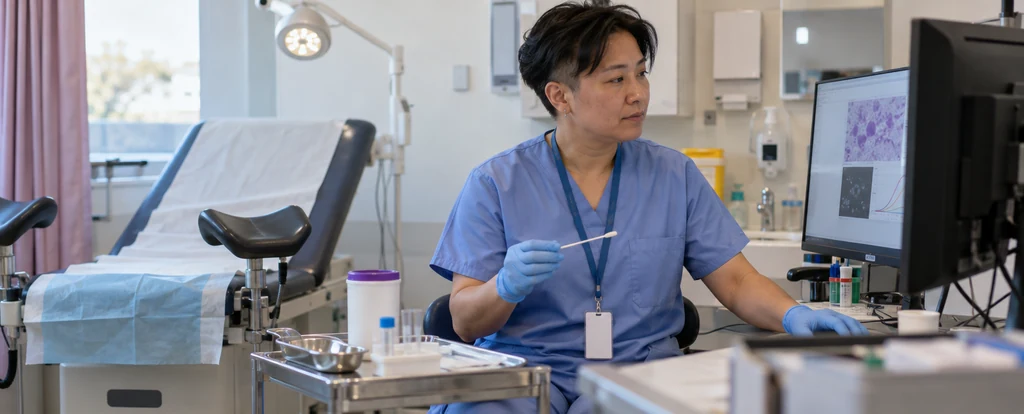
Most sexual health physicians work in public sexual health clinics, hospital outpatient services or community health centres, usually as part of a small team of nurses, counsellors and contact tracers. The role sits between general practice and infectious diseases: it covers the full range of sexual health presentations, including HIV care, and carries public health duties that a GP does not have. Some also work in private practice, research or teaching.
How much do sexual health physicians earn?
The median full-time salary for a sexual health physician is $181,000 per annum, before tax, up $37,500 since 2018.
In public clinics, pay follows hospital medical officer awards and enterprise agreements, so it rises with years of service and seniority. Private practice, fee-for-service arrangements and procedural work such as IUD insertion change the picture, as does the amount of after-hours or on-call work you take on. Whether a role is salaried or fee-based matters more to your take-home pay than which city you work in.
What does a sexual health physician do day to day?
The list below is what fills most weeks; the exact mix shifts with seniority and whatever stage the current work is at.
- Taking sexual health histories and conducting genital examinations
- Diagnosing and treating sexually transmitted infections such as syphilis, gonorrhoea and chlamydia
- Prescribing and monitoring antiretroviral therapy for people living with HIV
- Advising on safer sex, contraception, PrEP and vaccination
- Carrying out partner notification, contact tracing and public health reporting
What skills do sexual health physicians need?
Employers look for patient care and support, clinical assessment and treatment, medication management, backed by Best Practice Software fluency and strong written communication.
Specialist skills
- Patient care and support
- Clinical assessment and treatment
- Medication management
- Health education and advice
- Counselling and support work
- Infection control and hygiene
Software and tools
- Best Practice Software
- Genie Solutions
- MedicalDirector
- My Health Record
- Microscopy and point of care testing systems
General skills
- Written communication
Is the job growing?
About 480 people work as sexual health physicians in Australia, and employment is projected to grow 9% over the decade to 2035. That's modest growth: demand is steady rather than booming.
How do you become a sexual health physician?
Here's the path most sexual health physicians take, step by step.
- 1Complete a medical degree
Four to six years at an Australian university, followed by an internship year to gain general registration with AHPRA. Entry to medicine is competitive and depends on a strong academic record.
- 2Work as a hospital doctor
Two or more prevocational years as an intern and resident medical officer, building general clinical skills before you apply for specialist training.
- 3Complete basic physician training
About three years with the Royal Australasian College of Physicians, including written and clinical examinations.
- 4Do advanced training in sexual health medicine
Three years through the RACP's Australasian Chapter of Sexual Health Medicine, covering HIV medicine, STI management and public health placements, usually in sexual health clinics.
- 5Gain fellowship and specialist registration
Fellowship of the chapter allows specialist registration with AHPRA. Doctors already working as general practitioners or general physicians can enter through the chapter's pathways, but still complete the advanced training.
Ready to apply as a sexual health physician?
Whether you're working toward becoming a sexual health physician or already are one and want a hand with the next step (sharpening your resume for ATS screening, tightening your cover letter, or knowing what you'll actually be asked at interview), here are examples grounded in this specific role, not generic templates.
What jobs can a sexual health physician move to?
We don't list lateral moves for sexual health physicians: leaving means a full new qualification rather than a career move, and the realistic routes in are covered under how to become one.
Who works as a sexual health physician?
The typical sexual health physician is 48 years old; 56% are women, 74% work full-time, and full-timers average 40 hours a week.
- 48
- Median age
- 56%
- Female share
- 74%
- Full-time
- +0h
- vs all-jobs avg
What's it like being a sexual health physician?
The job runs on scheduled clinic sessions, with a mix of short screening appointments and longer consultations for people newly diagnosed with HIV or a complex infection. Much of the skill is in the conversation: asking about sexual history without making it feel like an interrogation, and giving someone news they were not expecting. Doctors who like preventive medicine and are comfortable talking plainly about sex and drug use tend to settle into it well.
What people like
- Prevention you can see working. Vaccination, PrEP and prompt treatment stop infections spreading, so the public health side of the job produces results you can point to rather than only managing long-term illness.
- A mix of medicine and conversation. One session might involve adjusting a complicated HIV regimen and then a long discussion with someone who is worried, which suits doctors who want both halves of the work.
- Long relationships with patients. People living with HIV are seen regularly over years, so you get to know them and watch treatment hold up over time.
- A close multidisciplinary team. Clinics tend to be small, with nurses, counsellors and contact tracers sharing the load, so you know your colleagues well and referrals are quick.
What people find hard
- Stigma is still part of the job. Some patients arrive embarrassed or frightened of being recognised, so part of each consultation goes on managing that rather than the medicine.
- Partner notification is uncomfortable work. Telling someone their partner may have passed on an infection, or asking them to name contacts, is a conversation few doctors enjoy.
- Tightly booked clinic sessions. Public clinic appointments are scheduled in short blocks, so complex cases often need a follow-up visit rather than being resolved in one sitting.
- The weight of a new diagnosis. Telling someone they have HIV or a serious infection stays with you, even when the treatment outlook is good.
Based on our synthesis of professional-body surveys and public accounts of the role, not first-person verified reviews.
Which industries employ sexual health physicians?
Hospitals employs the largest share of sexual health physicians, followed by Specialist medical services.
Top employing industries
- 1Hospitals
- 2Specialist medical services
- 3Community health services
- 4Public health administration
- 5Tertiary education
Ranked by employment share; the source doesn't publish an exact percentage per industry.
| Bachelor degree | 52% | |
|---|---|---|
| Postgraduate | 26% | |
| Diploma / Advanced Diploma | 13% | |
| Other | 9% |
Will AI replace sexual health physicians?
Sexual health medicine has low exposure to AI overall, because the core of the job is a physical examination and a conversation that patients will only have with a doctor they trust. Software is already useful for drug interaction checks, results tracking, antimicrobial resistance alerts and contact tracing records, and it saves administrative time without changing who makes the treatment decision.
Share of typical working time by exposure level
- Taking sexual health histories and examining patientsReading hesitation, asking about sexual practice and drug use, and examining a patient are all done in the room face to face.30%low
- Diagnosing and treating infectionsDecision support tools flag resistance patterns and drug interactions in HIV regimens, but the physician chooses the treatment and reviews it.25%moderate
- Counselling and prevention adviceDiscussing PrEP, condom use or a new diagnosis depends on picking up how a person is taking the news and adjusting what you say.25%low
- Partner notification and contact tracingRecords systems help track contacts and follow-up dates, while the phone call to each person is delicate human work.20%moderate
Common questions about becoming a sexual health physician
Straight answers to the questions people ask most.
How much does a sexual health physician earn?
Sexual health physicians earn $181,000 per annum, before tax, on the full-time median. Pay follows hospital medical officer awards and enterprise agreements in public clinics, and fee-for-service arrangements in private practice, so seniority, sector and hours all move it. Treat the figure as a guide rather than a fixed rate.
How do you become a sexual health physician?
You complete a medical degree and an internship, then physician training with the Royal Australasian College of Physicians, followed by advanced training in sexual health medicine through its Australasian Chapter of Sexual Health Medicine. Fellowship of the chapter is what allows specialist registration with AHPRA. From the start of university it is roughly twelve to fifteen years, including the prevocational hospital years.
Are sexual health physicians in demand?
Sexual health physicians are currently in shortage in regional areas, and employment is projected to grow 9% over the decade to 2035. The workforce is small, so most openings appear when a physician retires or a service expands, and it is worth asking about supervision capacity where you hope to train.
Will AI replace sexual health physicians?
The role is not heavily exposed to AI, because examinations, sensitive conversations and treatment decisions all depend on being in the room with the patient. Software already helps with drug interaction checks, results tracking and contact tracing records, which trims administrative time rather than replacing the consultation.
What can a sexual health physician move into?
The moves in come from hospital medicine and general practice, with resident medical officers, general practitioners and general physicians all crossing over after completing the chapter's advanced training. Pay changes with the move: a sexual health physician earns $77,000 more than a resident medical officer, $53,800 more more than a general practitioner, and $37,400 less than a general physician. Experienced physicians also move into private practice or research, and running a private clinic is often where earnings grow.
What are the hours like?
Sexual health physicians work an average of 40 hours a week in full-time roles, mostly weekday clinic sessions, with some after-hours work in hospital clinics or on-call rosters. About 74% work full time.
Related roles
- Resident Medical Officer
- General Practitioner
- General Physician
- Infectious Diseases Physician
- Remote Area Nurse
- Orthoptist
Not sure this is you? Take the career quiz and get a ranked shortlist of roles that fit how you like to work.