Environmental Health Officer
Environmental health officers inspect food businesses, water supplies and waste systems, and enforce the public health laws that keep communities safe.
- Median salary*
- $96,200
3.6%vs last year, before tax
- People employed
- 4,300
2.4%vs last year
- Projected growth
- +19.8%
to 2035
- AI exposure*
- Moderate
- automation risk
- Average hours
- 41/wk
+1h vs all jobs
- Shortage status
- Not in shortage
national
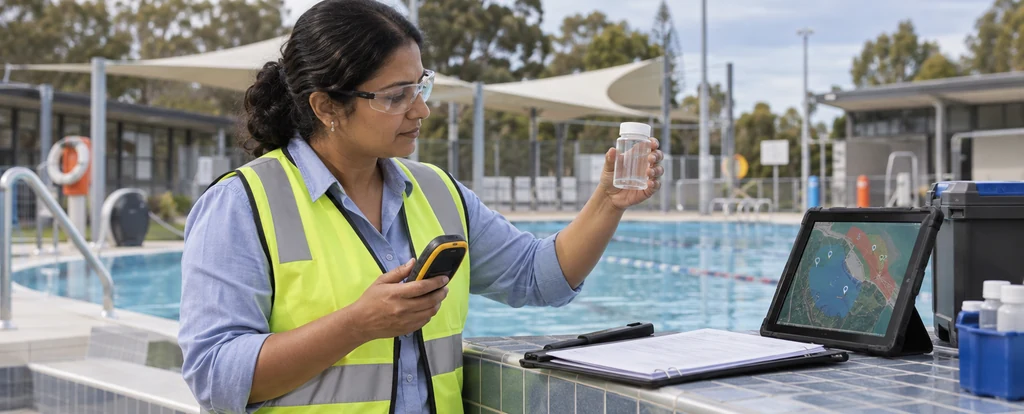
Most environmental health officers work for local councils or state health and environment departments, splitting the week between inspection sites and the paperwork those visits generate. The work sits where public health law meets a real premises: a cafe kitchen, a public pool, a cooling tower on a rooftop. It is often confused with environmental science, but the focus here is regulation and public health rather than ecology, and the findings can end up in court.
How much do environmental health officers earn?
The median full-time salary for an environmental health officer is $96,200 per annum, before tax, up $20,500 since 2018.
Environmental health officers are usually paid under a council or state government enterprise agreement, so the band you are appointed to and the increments you accrue move the figure more than the job title does. After-hours and on-call work, which some councils roster for noise and food complaints, generally attracts penalty rates. Moving into a senior or team leader role, or holding a postgraduate qualification in public health, is the other common way pay rises.
What does an environmental health officer do day to day?
The list below is what fills most weeks; the exact mix shifts with seniority and whatever stage the current work is at.
- Inspecting food premises, public pools and cooling towers against public health standards
- Investigating complaints about noise, waste, pests and unsanitary conditions
- Sampling water, soil and air and arranging laboratory testing for contamination
- Issuing improvement notices and infringements where standards are not met
- Assessing development and building applications for public health risks
What skills do environmental health officers need?
Employers look for regulatory compliance, risk and internal controls, environmental assessment, backed by Microsoft Excel fluency and strong written communication.
Specialist skills
- Regulatory compliance
- Risk and internal controls
- Environmental assessment
- Health education and advice
Software and tools
- Microsoft Excel
- ArcGIS
- Authority inspection and compliance systems
- Laboratory information management systems
General skills
- Written communication
- Problem solving
- Attention to detail
- Stakeholder management
Is the job growing?
About 4,300 people work as environmental health officers in Australia, and employment is projected to grow 19.8% over the decade to 2035. That's healthy, above-average growth, and the role should stay in solid demand.
How do you become an environmental health officer?
Here's the path most environmental health officers take, step by step.
- 1Complete an environmental health degree
A bachelor degree in environmental health takes three to four years full time, and the course needs accreditation through Environmental Health Australia if you want to be appointed as an authorised officer.
- 2Check what your state or territory requires
Public health regulation sits with the states, so the appointment or registration needed before you can inspect premises and issue notices varies. Check with the health department in the state where you plan to work.
- 3Get field experience through a council
Cadetships, student placements and graduate programs are the usual way in, and they matter because the job is learned on site: how to inspect a kitchen mid-service, take a valid sample and keep a business owner on side.
- 4Consider postgraduate study if you are changing careers
A Master of Public Health or a graduate diploma in environmental health suits people coming from science, nursing or food safety, and some employers place holders on a higher band.
Ready to apply as an environmental health officer?
Whether you're working toward becoming an environmental health officer or already are one and want a hand with the next step (sharpening your resume for ATS screening, tightening your cover letter, or knowing what you'll actually be asked at interview), here are examples grounded in this specific role, not generic templates.
What jobs can an environmental health officer move to?
Moving into Work Health and Safety Inspector typically comes with the biggest pay rise, worth $27,700 a year more on average.
| Move to | Typical pay change | Overlap | Retraining |
|---|---|---|---|
| Work Health and Safety Inspector Environmental health officers can become work health and safety inspectors, using their enforcement background with additional safety qualifications.Known move | +$27,700 | 31% | reskill |
| Work Health and Safety Officer Environmental health officers move into work health and safety with transferable inspection and compliance skills, needing only a short safety qualification.Known move | +$22,600 | 53% | short course |
| Safety Consultant Experienced environmental health officers can move into safety consulting, applying audit and risk skills with further safety study.Known move | +$22,600 | 41% | reskill |
| Environmental Scientist Environmental health officers bring regulatory and public health expertise to environmental scientist roles, though additional science study may be required.Known move | +$5,400 | 36% | requalify |
Moves are chosen from Jobs and Skills Australia's Data on Occupation Mobility, which follows income tax records between 2011-12 and 2020-21, together with entry requirements and skill overlap. A known move is one people were seen making in that data. Pay change compares median full-time pay for the two roles.
Who works as an environmental health officer?
The typical environmental health officer is 43 years old; 55% are women, 75% work full-time, and full-timers average 41 hours a week.
- 43
- Median age
- 55%
- Female share
- 75%
- Full-time
- +1h
- vs all-jobs avg
What's it like being an environmental health officer?
The job runs on a rhythm of scheduled inspections interrupted by complaints that carry response timeframes. Most of the pressure sits on the enforcement side, where you tell someone their livelihood has to change and they may not take it well. Officers who stay in the role tend to like the mix of science, law and people, and the fact that a problem fixed on their patch stays fixed.
What people like
- Your work has visible results. A filthy kitchen cleaned up or a contaminated water supply repaired stays that way, and the inspections and notices behind it are on the record.
- Field and desk in the same week. You are not at a screen all day, and you are not on your feet all day either, which suits people who want both.
- Science and law in one job. Sampling and interpreting results uses the technical side, while notices and prosecutions use the legal side, and few roles combine the two.
- You get to know your patch. Working across one council area means you learn the businesses, the recurring problem sites and the people who run them.
What people find hard
- Enforcement conversations can turn hostile. Telling a small business owner to close a kitchen or spend money on repairs rarely lands well in the moment, and some take it personally.
- Complaints arrive faster than they clear. Noise, waste and pest complaints come with response timeframes, so a backlog builds when inspections run long or a matter goes to court.
- Evidence work is exacting. If a matter is prosecuted, your notes, photographs and sample records have to hold up months later, which means careful record keeping on every visit.
- Some out of hours work. Noise complaints and food poisoning incidents do not keep office hours, so many councils roster evening and weekend coverage.
Based on our synthesis of professional-body surveys and public accounts of the role, not first-person verified reviews.
Which industries employ environmental health officers?
Public Administration and Safety employs the largest share of environmental health officers, followed by Health Care and Social Assistance.
Top employing industries
- 1Public Administration and Safety
- 2Health Care and Social Assistance
- 3Manufacturing
Ranked by employment share; the source doesn't publish an exact percentage per industry.
| Bachelor degree | 40.3% | |
|---|---|---|
| Postgraduate | 20.4% | |
| Year 12 or below | 12.6% | |
| Diploma / Advanced Diploma | 12.3% | |
| Certificate III/IV | 10.8% |
Will AI replace environmental health officers?
This is a moderately exposed job. The writing, data entry and record keeping that surround an inspection are the parts AI can help with, while the inspection itself needs a person with legal authority standing in the kitchen. Councils already run compliance systems that log visits and generate standard notices, and laboratory and mapping software handles sample tracking and spatial data, but neither changes the call about whether premises are safe or a notice should be issued.
Share of typical working time by exposure level
- Inspecting food premises, pools and cooling towersYou walk the site, check temperatures, look at how food is stored and decide whether the premises meets the standard, which needs eyes on the actual kitchen rather than a record of it.35%low
- Investigating complaints and talking to the people involvedNoise, pest and waste complaints usually come down to a conversation with a resident and a business owner, and enforcement only works if you can hold that conversation.25%low
- Writing inspection reports, notices and evidence briefsTemplates and drafting tools can produce much of the first pass, but the findings, the legal wording and the supporting evidence still have to be checked and signed off by the officer.20%high
- Sampling, monitoring and analysing resultsWater, food and air samples are logged in laboratory systems and mapped in GIS software, which speeds up tracking and trend spotting but not the judgement about what a result means for the premises.20%moderate
Moves least exposed to AI
These career moves from environmental health officer work are rated low for AI exposure:
- Work Health and Safety Inspector
Some skill overlap (31%), reskill to get there, and a low automation-risk profile.
Common questions about becoming an environmental health officer
Straight answers to the questions people ask most.
How much do environmental health officers earn?
The median full-time environmental health officer earns $96,200 per year before tax. Pay tracks the enterprise agreement you are employed under, so it varies between councils, state departments and the private sector, and senior or specialist roles sit above the median.
How do you become an environmental health officer?
You need an environmental health degree accredited through Environmental Health Australia, then appointment as an authorised officer in your state or territory. Council cadetships and graduate programs are the usual entry point, because the inspection side of the job is learned on site rather than in a lecture theatre.
Are environmental health officers in demand?
Environmental health officers are currently not in shortage, and employment is projected to grow 19.8% over the decade to 2035. Most openings arise in local government, so it helps to watch council recruitment pages in the areas you want to live rather than waiting for a single national job market.
Will AI replace environmental health officers?
AI reaches the paperwork around this job more than the fieldwork itself. Inspection reports, standard notices, complaint triage and sample records can be partly automated through compliance and laboratory systems, but inspecting a kitchen, taking a valid sample and using legal powers still need an officer on site.
What can environmental health officers move into?
Work health and safety is a common move, because inspection and compliance skills carry over directly and only a short safety qualification is usually needed, with WHS officers earning $22,600 more. Experienced officers also move into safety consulting or across to environmental science, where they earn $5,400 more and further science study is often required.
Is an environmental health officer the same as an environmental scientist?
No. Environmental health officers enforce public health law, inspecting premises and issuing notices, while environmental scientists study and monitor the environment and usually hold no regulatory powers. The two overlap in water quality and contamination work, which is why movement between them is reasonably common.
Related roles
- Environmental Scientist
- Work Health and Safety Officer
- Safety Consultant
- Work Health and Safety Inspector
- Environmental Scientist
- Work Health and Safety Officer
Not sure this is you? Take the career quiz and get a ranked shortlist of roles that fit how you like to work.