Beef Cattle Farmer
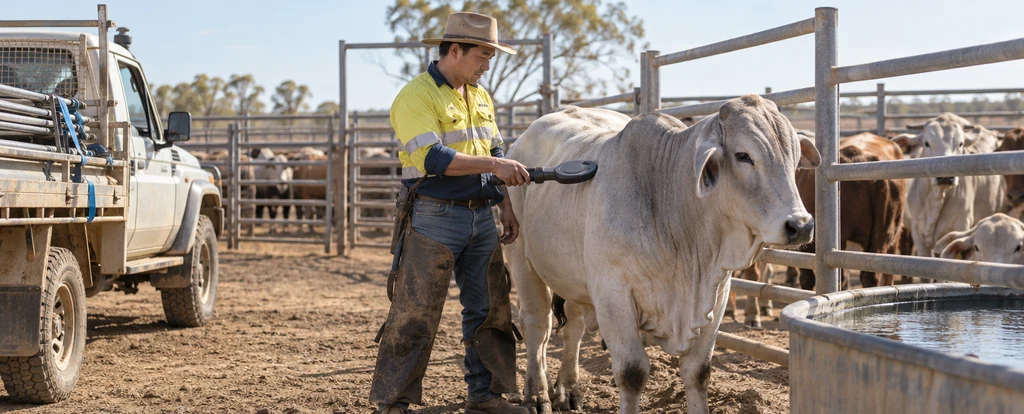
Beef cattle farmers breed and raise cattle for meat, looking after the herd, the pastures and the business side of the property.
- Median salary*
- $61,400
4.4%vs last year, before tax
- People employed
- 28,400
0.4%vs last year
- Projected growth
- +1.2%
to 2035
- AI exposure*
- Low
- automation risk
- Average hours
- 54/wk
+14h vs all jobs
- Shortage status
- Not in shortage
national
Beef cattle farmers run a herd from joining and calving through to sale, on properties that range from a few hundred head to several thousand. The work mixes animal husbandry with running a business: feed budgets, staff, machinery and the national livestock traceability system that records every movement of cattle. It's often confused with dairy farming, but a beef herd is managed for weight and condition rather than milk, so there's no daily milking routine.
How much do beef cattle farmers earn?
The median full-time salary for a beef cattle farmer is $61,400 per annum, before tax, up $13,000 since 2018.
Cattle prices, seasonal conditions and the scale of the herd drive income more than anything else, so a good year and a dry year can look very different. Owners and sharefarmers generally keep more than managers working for wages, and selling finished steers rather than weaners changes the return per head. Off-farm work is common in lean years and adds to household income.
What does a beef cattle farmer do day to day?
The list below is what fills most weeks; the exact mix shifts with seniority and whatever stage the current work is at.
- Moving the herd through paddocks on a grazing rotation so pastures recover between grazings
- Checking cattle for lameness, calving trouble and disease, then treating them or calling the vet
- Recording every movement, sale and death in the NLIS database, which is a legal requirement for cattle leaving a property
- Mustering on horseback, motorbike or with a working dog to draft, brand, tag and load cattle for sale
- Repairing fences, troughs and yards, and keeping the feed budget, wages and accounts in order
What skills do beef cattle farmers need?
Employers look for animal care and handling, operations management, plant and equipment operation, backed by AgriWebb fluency and strong physical stamina and dexterity.
Specialist skills
- Animal care and handling
- Operations management
- Plant and equipment operation
- Worksite safety management
- Inventory management
- Budgeting and forecasting
Software and tools
- AgriWebb
- MaiaGrazing
- NLIS database
- Xero
- FarmMap4D
General skills
- Physical stamina and dexterity
Is the job growing?
About 28,400 people work as beef cattle farmers in Australia, and employment is projected to grow 1.2% over the decade to 2035. That's modest growth: demand is steady rather than booming.
How do you become a beef cattle farmer?
Here's the path most beef cattle farmers take, step by step.
- 1Get hands-on livestock experience
Most beef cattle farmers start as station hands, farm workers or on a family property, learning cattle handling, fencing and pasture management on the job. This is paid work, and it's the quickest way to find out whether the outdoor hours and the isolation suit you.
- 2Consider a certificate in agriculture
A Certificate III in Agriculture (Beef Production) or a Certificate IV in Agriculture covers livestock nutrition, breeding and farm business, and is offered through TAFE and agricultural colleges. It's not the usual entry point, since 51% of the people in the role today hold no qualification beyond Year 12, but it helps if you have no family land to learn on.
- 3Learn the compliance and business side
Running a herd means meeting NLIS traceability rules, workplace health and safety duties, and often chemical, firearms or heavy vehicle licensing. A short course in farm business management or accounting software pays off once you're the one setting budgets and paying wages.
- 4Move into management, ownership or share farming
Many people manage a property for someone else before buying land or entering a share farming arrangement, where you supply the labour and management while the owner supplies the property. That's where earnings usually grow, and it can take years of saving or a family succession to get there.
Ready to apply as a beef cattle farmer?
Whether you're working toward becoming a beef cattle farmer or already are one and want a hand with the next step (sharpening your resume for ATS screening, tightening your cover letter, or knowing what you'll actually be asked at interview), here are examples grounded in this specific role, not generic templates.
What jobs can a beef cattle farmer move to?
Moving into Truck Driver typically comes with the biggest pay rise, worth $40,500 a year more on average.
| Move to | Typical pay change | Overlap | Retraining |
|---|---|---|---|
| Truck Driver Livestock transport experience and heavy vehicle operation support a move into truck driving, though a truck licence and formal training are required.Known move | +$40,500 | 11% | reskill |
| Sheep Farmer Livestock handling, pasture management and breeding knowledge transfer directly to running sheep, needing little beyond familiarisation with wool production. | +$14,000 | 70% | minimal |
| Deer Farmer Beef cattle grazing and animal handling experience applies well to deer farming, with minimal changes to fencing and stock management. | +$14,000 | 80% | minimal |
| Dairy Farmer Beef cattle husbandry and grazing management carry directly into dairy farming, with only minor adjustments for milking and herd routines.Known move | +$12,400 | 62% | minimal |
| Pig Farmer Animal husbandry and stock handling skills carry across to pig farming, with minor changes to housing and feeding systems. | +$12,400 | 63% | minimal |
Moves are chosen from Jobs and Skills Australia's Data on Occupation Mobility, which follows income tax records between 2011-12 and 2020-21, together with entry requirements and skill overlap. A known move is one people were seen making in that data. Pay change compares median full-time pay for the two roles.
Who works as a beef cattle farmer?
The typical beef cattle farmer is 62 years old; 67% are men, 71% work full-time, and full-timers average 54 hours a week.
- 62
- Median age
- 33%
- Female share
- 71%
- Full-time
- +14h
- vs all-jobs avg
What's it like being a beef cattle farmer?
Beef cattle farming runs on the season and the herd rather than the clock. Calving, mustering and sales set the busy stretches, and the rest of the year goes into pasture, water and infrastructure, with long days and weekends that are rarely free. People who stay in it tend to like working with animals and being outside, and accept that weather and cattle prices decide much of how the year turns out.
What people like
- Working outdoors with animals. Most of the day is spent on the property with cattle, horses or dogs rather than in an office, and the tasks change with the season and the state of the feed.
- Running your own operation. Owners and sharefarmers decide how the herd is managed, what to invest in and when to sell, which is a lot of autonomy for a job with no fixed hours.
- Results you can see. A herd in good condition, a rebuilt set of yards or a paddock that has come back after rain are outcomes you can measure at the end of the season.
- A tight rural network. Agents, stock inspectors, neighbours and the local show circuit make up a community where reputation counts and help arrives quickly when a season goes bad.
What people find hard
- Weather decides the year. Drought, flood and fire can wipe out a feed budget or a season's income, and there's no way to plan around everything the climate does.
- Long stints without a break. Water, feed and calving checks run seven days a week, so time off is arranged around the herd and often needs paid help to cover.
- Heavy capital and debt. Land, cattle and machinery are expensive, and a large share of income can go back into interest, feed and repairs before anything reaches you.
- Prices you don't control. Sale returns depend on markets, seasons and export demand, so a year of good work can still finish with a slim margin.
Based on our synthesis of professional-body surveys and public accounts of the role, not first-person verified reviews.
Which industries employ beef cattle farmers?
Agriculture, Forestry and Fishing employs the largest share of beef cattle farmers.
Top employing industries
- 1Agriculture, Forestry and Fishing
Ranked by employment share; the source doesn't publish an exact percentage per industry.
| Year 12 or below | 51% | |
|---|---|---|
| Certificate III/IV | 17.4% | |
| Bachelor degree | 11.3% | |
| Diploma / Advanced Diploma | 10.1% | |
| Postgraduate | 3.6% |
Will AI replace beef cattle farmers?
Beef cattle farming sits low on AI exposure, because the core of the job is physical work with animals in conditions that change week to week, and no software moves a mob or pulls a calf. Farm management tools such as AgriWebb, MaiaGrazing and the NLIS database already handle grazing records, breeding history and traceability, which cuts down bookwork without changing how the herd is run. The decisions that matter, feed budgeting, joining and when to sell, still rest on what's actually in the paddock.
Share of typical working time by exposure level
- Animal handling and herd healthChecking cattle, treating lameness or infection, calving and drafting are done on foot, on horseback or with a dog, and no sensor does that work.40%low
- Pasture and grazing managementSatellite pasture imagery and grazing apps can flag paddocks running short, but the call on when to move stock still comes from walking the country and looking at the feed.25%moderate
- Recording and complianceNLIS entries, chemical records and farm accounts are increasingly software-based, which is the part of the job AI touches most.20%high
- Fencing, water and machineryRepairing fences, checking troughs and servicing bikes and tractors stay manual, though GPS guidance on tractors takes some guesswork out of sowing and spraying.15%low
Common questions about becoming a beef cattle farmer
Straight answers to the questions people ask most.
How much do beef cattle farmers earn?
The median for beef cattle farmers is $61,400 per year before tax. What you take home depends on the scale of the herd, cattle prices at sale and whether you own the land or manage it for someone else.
How do you become a beef cattle farmer?
Most people start as a station hand or farm worker and learn cattle handling, pasture management and fencing on the job. A Certificate III or IV in agriculture helps if you don't have a family property to learn on, and the business side, budgets, compliance and staff, is worth picking up early.
Are beef cattle farmers in demand?
Beef cattle farmers are currently not in shortage, and employment is projected to grow 1.2% over the decade to 2035. Most properties are family-run and either pass between generations or sell as going concerns, so entry is usually through working for an established farmer rather than buying a herd outright.
Will AI or automation replace beef cattle farmers?
Little of this job can be automated, because cattle have to be moved, checked and treated in person on ground that varies from paddock to paddock. Farm software such as AgriWebb and MaiaGrazing already handles grazing records, breeding history and budgets, and NLIS entries are digital, but these tools keep the records rather than run the herd.
What else can beef cattle farmers do?
Moving into dairy, sheep or deer farming takes little retraining, since livestock handling and pasture management carry across, and dairy farming pays $12,400 more. Livestock transport and truck driving is another route, though it needs a heavy vehicle licence and formal training. The usual long-term step is into ownership or share farming of your own herd, which is where earnings tend to grow.
How many hours do beef cattle farmers work?
Full-time beef cattle farmers average about 54 hours a week, and calving, mustering and haymaking push that higher. The herd needs looking at every day, so days off are fitted around feed, water and the season rather than a roster.
Related roles
Not sure this is you? Take the career quiz and get a ranked shortlist of roles that fit how you like to work.