Pig Farmer
Pig farmers breed and raise pigs for pork production, supplying abattoirs and processors with healthy, consistently sized animals.
- Median salary*
- $73,800
3.9%vs last year, before tax
- People employed
- 720
2.9%vs last year
- Projected growth
- +1.2%
to 2035
- AI exposure*
- Low
- automation risk
- Average hours
- 47/wk
+7h vs all jobs
- Shortage status
- Not in shortage
national
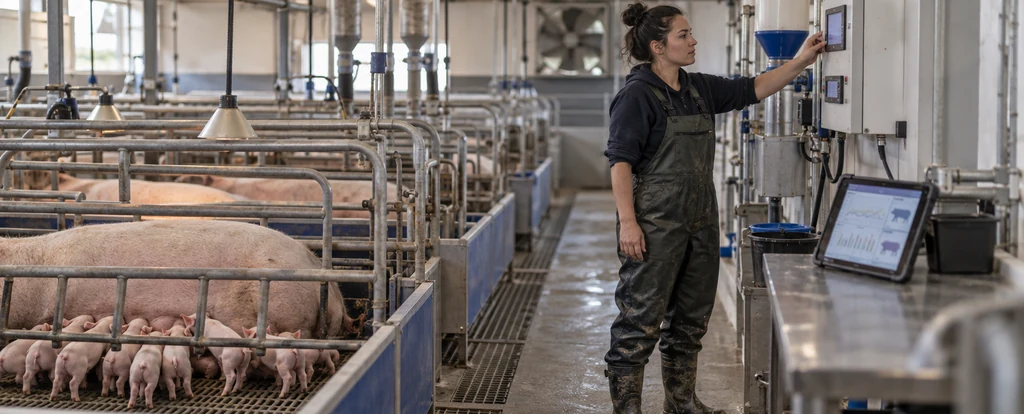
Pig farmers manage breeding, feeding and herd health on piggeries that range from small free-range operations to large indoor production units. The work is unusual among livestock farming because most of the herd lives indoors under controlled climate and biosecurity, so the day revolves around sheds, feed systems and records rather than paddocks. Piggeries are run by families and by larger companies, and a pig farmer often works alongside a small team of stockpeople.
How much do pig farmers earn?
The median full-time salary for a pig farmer is $73,800 per annum, before tax, up $15,400 since 2018.
Pay depends heavily on the size of the operation and whether you own it or work in it, with larger piggeries and management roles paying more than small family farms. Rostered weekend and public holiday work usually attracts penalty rates, and live-in roles on remote properties can include housing that changes what the package is worth. Because pork prices and feed costs move, a farm owner's income swings more than a wage does.
What does a pig farmer do day to day?
The list below is what fills most weeks; the exact mix shifts with seniority and whatever stage the current work is at.
- Running breeding and farrowing schedules so batches of piglets are weaned on time
- Checking herd health each day and treating sick or injured animals
- Mixing and delivering feed, and adjusting shed ventilation and temperature
- Keeping biosecurity, hygiene and effluent systems up to standard
- Planning stock numbers against processor contracts and organising staff rosters
What skills do pig farmers need?
Employers look for animal care and handling, operations management, inventory management, backed by PigCHAMP fluency and strong safety and compliance awareness.
Specialist skills
- Animal care and handling
- Operations management
- Inventory management
- Plant and equipment operation
- Budgeting and forecasting
- Supply chain planning
Software and tools
- PigCHAMP
- CloudFarms
- AgriWebb
- Microsoft Excel
- Automated feed and climate control systems
General skills
- Safety and compliance awareness
- People leadership
Is the job growing?
About 720 people work as pig farmers in Australia, and employment is projected to grow 1.2% over the decade to 2035. That's modest growth: demand is steady rather than booming.
How do you become a pig farmer?
Here's the path most pig farmers take, step by step.
- 1Start as a farm hand
Most people enter through paid work on a piggery, learning animal handling, feeding and shed routines on the job. No qualification is required for this, and it is a quick way to find out whether the work suits you.
- 2Take a traineeship or certificate
A Certificate III in Pork Production (AHC30422), or a broader agriculture certificate, covers husbandry, nutrition, biosecurity and machinery. Many piggeries run traineeships, so you can study while you are paid.
- 3Add business and management study
A diploma or degree in agriculture or agribusiness helps if you want to run a herd or a farm, covering budgeting, staff, contracts and effluent compliance. Employers often look for this when filling farm manager roles.
- 4Move into management or ownership
Herd manager and farm manager roles usually follow several years of hands-on work, and some people go on to own a piggery or grow pigs under contract for a processor. Ownership means borrowing against sheds, stock and feed, so running someone else's herd first is the usual preparation.
Ready to apply as a pig farmer?
Whether you're working toward becoming a pig farmer or already are one and want a hand with the next step (sharpening your resume for ATS screening, tightening your cover letter, or knowing what you'll actually be asked at interview), here are examples grounded in this specific role, not generic templates.
What jobs can a pig farmer move to?
Moving into Poultry Farmer typically comes with the biggest pay rise, worth $4,200 a year more on average.
| Move to | Typical pay change | Overlap | Retraining |
|---|---|---|---|
| Poultry Farmer Experience managing pig herds applies to poultry production, including animal health, feeding and shed management. | +$4,200 | 70% | minimal |
| Deer Farmer Pig farming skills in livestock health, breeding and feeding transfer directly to deer farming with little extra training. | +$1,600 | 76% | minimal |
| Sheep Farmer Pig farming background in livestock care and pasture management suits sheep farming, with a short course in sheep husbandry. | +$1,600 | 60% | short course |
| Dairy Farmer Pig husbandry knowledge and livestock handling carry over to dairy farming, with similar routines and animal welfare focus. | +$0 | 67% | minimal |
| Beef Cattle Farmer Pig farming experience in livestock breeding, feeding and health translates well to beef cattle production. | −$12,400 | 63% | minimal |
Moves are chosen from Jobs and Skills Australia's Data on Occupation Mobility, which follows income tax records between 2011-12 and 2020-21, together with entry requirements and skill overlap. A known move is one people were seen making in that data. Pay change compares median full-time pay for the two roles.
Who works as a pig farmer?
The typical pig farmer is 42 years old; 79% are men, 87% work full-time, and full-timers average 47 hours a week.
- 42
- Median age
- 21%
- Female share
- 87%
- Full-time
- +7h
- vs all-jobs avg
What's it like being a pig farmer?
The week runs to the herd's clock rather than the calendar, with feed rounds and health checks every day and a full-time week that averages 47 hours. Farrowing, weaning and sales come in batches, so busy stretches are followed by quieter ones. It tends to suit people who are comfortable handling large animals, working machinery and keeping to set routines, and who can accept that the smell and the physical load come with the job.
What people like
- You see the results of your work. A well-run farrowing shed produces healthy litters within weeks, so the effect of a change to feed or ventilation shows up quickly rather than at the end of a long project.
- Most of the day is spent with the animals. Feed rounds, health checks and moving stock keep you in the sheds rather than at a desk, and handling skills improve with practice.
- The routines are clear. Pigs are raised in batches, so the breeding, farrowing and weaning cycle gives the year a structure you can plan holidays and staff around.
- Ownership is a realistic path. Many piggeries supply a processor under contract, which gives the grower a set market for their pigs and a business to build over time.
What people find hard
- The herd is checked every day. Animals need feeding, watering and a health check seven days a week, so weekends, public holidays and on-call nights are part of the job.
- Biosecurity leaves little room to move. Entering a shed often means showering in and out, and there are stand-down periods after visiting another piggery, which restricts farm visits and overseas travel.
- Physical work in sheds. You spend long stretches on your feet among dust, noise and smell, lifting feed and moving pigs that can weigh well over 100 kilograms.
- Setbacks arrive in a lump. A disease outbreak can force a herd to be culled, and feed costs move with grain prices, so a bad season hits margins before it hits anything else.
Based on our synthesis of professional-body surveys and public accounts of the role, not first-person verified reviews.
Which industries employ pig farmers?
Agriculture, Forestry and Fishing employs the largest share of pig farmers, followed by Manufacturing.
Top employing industries
- 1Agriculture, Forestry and Fishing
- 2Manufacturing
Ranked by employment share; the source doesn't publish an exact percentage per industry.
| Year 12 or below | 36.7% | |
|---|---|---|
| Bachelor degree | 23.8% | |
| Certificate III/IV | 20.9% | |
| Diploma / Advanced Diploma | 10.5% | |
| Postgraduate | 2.4% |
Will AI replace pig farmers?
Pig farming rates as low exposure to AI and automation. Herd software such as PigCHAMP and CloudFarms, automated feeding and climate control, and shed sensors handle records, feed delivery and routine adjustments, but the decisions that matter, reading a sow in labour or spotting a pig off its feed, are made by someone standing in the pen. Automation changes how much of the week goes on paperwork and feed rounds rather than whether the animals are cared for.
Share of typical working time by exposure level
- Handling and moving pigsPigs are moved with boards and gates, and how an animal responds on the day is something you read in person rather than from a screen.30%low
- Checking herd health and treating sick animalsPicking up a lame pig or a sow off her feed, then deciding whether to treat, isolate or call the vet, comes down to looking at the animal.25%low
- Feeding and climate controlAutomated feed and ventilation systems run the sheds and flag when intake drops, but you still decide what a reading means and what to change.25%moderate
- Records, breeding and production planningBreeding and performance records are captured in herd software, and the planning that follows, which sows to mate and which batches to sell, uses those numbers.20%moderate
Common questions about becoming a pig farmer
Straight answers to the questions people ask most.
How much do pig farmers earn?
Pig farmers earn a median of $73,800 per year before tax, though pay varies with the size of the farm and whether the role includes managing staff. Weekend and public holiday work usually attracts penalty rates, and live-in roles on remote properties can include housing that changes what the package is worth.
How do you become a pig farmer?
Most pig farmers start as farm hands and learn on the job, then add a Certificate III in Pork Production (AHC30422) or a broader agriculture qualification while they work. There is no registration or licence required to farm pigs, though a forklift or heavy vehicle licence helps with feed and stock movements. Farm manager roles usually want several years of experience plus business or agriculture study.
Are pig farmers in demand?
Pig farmers are currently not in shortage, and employment is projected to grow 1.2% over the decade to 2035. About 720 people work as pig farmers, and the industry is small, so most openings come from people leaving the sector rather than from new positions being created.
Will AI replace pig farmers?
Automation has already taken over much of the record keeping, feeding and climate control on piggeries, and herd software such as PigCHAMP and CloudFarms tracks breeding and production data. The exposure rating for this job is low because the decisions that decide an outcome, judging a sow in labour or picking up a sick pig early, are made in the pen. Expect the technology to change how much of the week goes on paperwork and feed rounds, not to remove the role.
What can pig farmers move into?
Pig husbandry transfers to other livestock, and deer farming pays $1,600 more while dairy farming pays about the same. Farm workers who add pig-specific training can step into the role, where pay is $24,500 more. Many people also move towards owning a piggery or growing pigs under contract for a processor, which is often where earnings grow.
What are the hours like?
Full-time pig farmers average 47 hours a week, and because animals need feeding and checking daily, rosters usually include weekends and public holidays. Larger piggeries run shifts, while smaller family farms often share the on-call work between a few people.
Related roles
Not sure this is you? Take the career quiz and get a ranked shortlist of roles that fit how you like to work.