Biologist
Biologists study living things, from individual species to whole ecosystems, to understand how they work and how they are changing.
- Median salary*
- $96,200
4.2%vs last year, before tax
- People employed
- 300
0.0%vs last year
- Projected growth
- +19.8%
to 2035
- AI exposure*
- Moderate
- automation risk
- Average hours
- 44/wk
+4h vs all jobs
- Shortage status
- Not in shortage
national
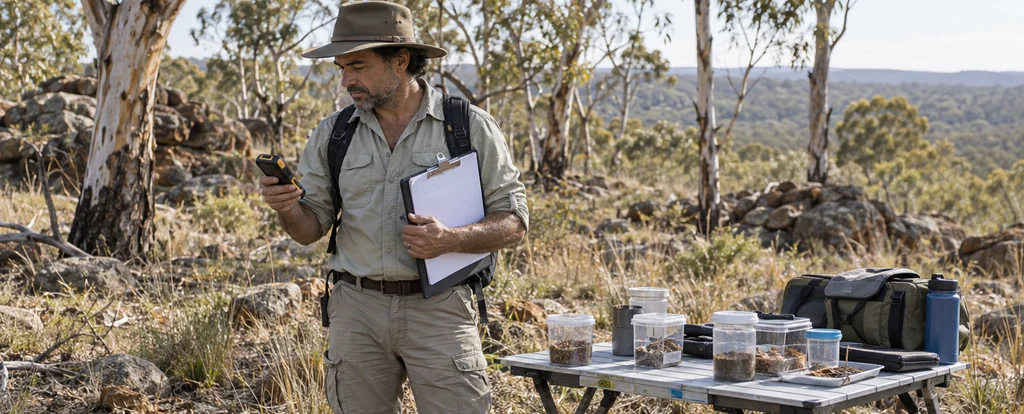
Most biologists split their time between field sites, laboratories and a desk, and work for universities, government agencies, environmental consultancies or museums. The title covers a wide range of specialities, from ecology and genetics to animal and plant physiology, which is what separates it from narrower roles such as microbiologist or biochemist. About 300 people work as biologists in Australia, and much of that work runs on research grants and fixed-term projects.
How much do biologists earn?
The median full-time salary for a biologist is $96,200 per annum, before tax, up $20,300 since 2018.
Where you work moves the figure more than anything else. Universities and government agencies pay against classification scales and enterprise agreements, while consultancies and industry set their own bands, and a specialist skill usually matters more than years served. Fixed-term project roles often carry a loading in place of the security an ongoing position offers.
What does a biologist do day to day?
The list below is what fills most weeks; the exact mix shifts with seniority and whatever stage the current work is at.
- Running field surveys to record species, habitats and population numbers
- Collecting and preparing samples such as soil, water, tissue and plant material
- Analysing samples and data in the laboratory, often using R, Python or QGIS
- Writing up results as reports, papers or environmental assessments
- Presenting findings to research teams, land managers, regulators or community groups
What skills do biologists need?
Employers look for laboratory analysis, field research and sampling, data analysis, backed by R fluency and strong written communication.
Specialist skills
- Laboratory analysis
- Field research and sampling
- Data analysis
- Statistical modelling
- Environmental assessment
Software and tools
- R
- Python
- QGIS
- SPSS
- Microsoft Excel
General skills
- Written communication
- Attention to detail
- Problem solving
Is the job growing?
About 300 people work as biologists in Australia, and employment is projected to grow 19.8% over the decade to 2035. That's healthy, above-average growth, and the role should stay in solid demand.
How do you become a biologist?
Here's the path most biologists take, step by step.
- 1Complete a science degree
A bachelor degree in biology, ecology, zoology or a related field takes three years full time and covers the foundations employers expect: cell biology, ecology, statistics and fieldwork methods.
- 2Add honours or a postgraduate qualification
About 67% of the people working as biologists hold a postgraduate qualification, and it is usually what opens research and specialist positions. It also gives you a supervised project to put on a resume.
- 3Build field and laboratory experience while you study
Volunteering with a conservation group, working as a research assistant or taking a summer placement develops the sampling and data skills that coursework only introduces.
- 4Learn the analysis tools
R, Python, QGIS and statistical packages appear in most biologist job ads, and being able to clean and analyse your own data makes you useful on a small team.
- 5Apply across sectors and expect contracts
Environmental consultancies, state and federal agencies, museums and universities all hire biologists. Many first roles are fixed-term project positions, so applying widely and staying in touch with former supervisors helps.
Ready to apply as a biologist?
Whether you're working toward becoming a biologist or already are one and want a hand with the next step (sharpening your resume for ATS screening, tightening your cover letter, or knowing what you'll actually be asked at interview), here are examples grounded in this specific role, not generic templates.
What jobs can a biologist move to?
Moving into Biotechnologist typically comes with the biggest pay rise, worth $5,200 a year more on average.
| Move to | Typical pay change | Overlap | Retraining |
|---|---|---|---|
| Biotechnologist Biologists bring biological research and laboratory skills; biotechnology applies them to products and processes, needing some additional training.Known move | +$5,200 | 46% | short course |
| Biochemist Biologists bring broad life science and laboratory skills; biochemists specialise in molecular and cellular processes, needing some additional training.Known move | +$3,600 | 57% | short course |
| Zoologist Biologists bring animal biology and research skills; zoology focuses on animal behaviour, ecology and conservation.Known move | +$2,600 | 81% | minimal |
| Marine Biologist Biologists already have broad life science training; marine biology adds marine ecology and fieldwork specialisation.Known move | −$15,900 | 94% | minimal |
| Microbiologist Biologists bring broad life science knowledge; microbiology applies it to microorganisms in research and industry.Known move | −$15,900 | 71% | minimal |
Moves are chosen from Jobs and Skills Australia's Data on Occupation Mobility, which follows income tax records between 2011-12 and 2020-21, together with entry requirements and skill overlap. A known move is one people were seen making in that data. Pay change compares median full-time pay for the two roles.
Who works as a biologist?
The typical biologist is 38 years old; 53% are men, 76% work full-time, and full-timers average 44 hours a week.
- 38
- Median age
- 47%
- Female share
- 76%
- Full-time
- +4h
- vs all-jobs avg
What's it like being a biologist?
Biologist work follows project cycles rather than a daily routine: a field season of early starts and long days is followed by months of laboratory work, data analysis and writing. Fieldwork is a real part of the job, but analysis and writing take up more of the year. It suits someone who is patient with detail, comfortable in a small team and willing to wait for answers.
What people like
- Fieldwork in places a desk job never reaches. Survey seasons can take you to wetlands, farms, national parks or coastal sites, and the samples you bring back are the basis of everything that follows.
- Questions that take years to answer. A single study may run across several seasons, and the results can change how a species, a pest or a piece of land is managed.
- A week that changes shape. Sampling, lab work, coding, writing and presenting rarely fall in the same week, which suits people who would find a fixed routine dull.
- Small teams with reach. You usually work alongside a handful of colleagues, but the job puts you in contact with land managers, regulators, community groups and researchers elsewhere.
What people find hard
- Weather and seasons set the schedule. Fieldwork is timed to breeding cycles, tides or growing seasons, and a wet week can wipe out a sampling trip planned months in advance.
- Funding decides what continues. Research and monitoring depend on grants, government budgets and consultancy contracts, so a line of work can stop when the money does.
- Short contracts early on. Many entry-level roles are fixed-term, and it can take a few contracts before you land ongoing work.
- Plenty of desk time. Every week in the field is matched by weeks of cleaning data, running models and writing, which is a large part of the job even for field-based roles.
Based on our synthesis of professional-body surveys and public accounts of the role, not first-person verified reviews.
Which industries employ biologists?
Education and Training employs the largest share of biologists, followed by Professional, Scientific and Technical Services.
Top employing industries
- 1Education and Training
- 2Professional, Scientific and Technical Services
- 3Public Administration and Safety
Ranked by employment share; the source doesn't publish an exact percentage per industry.
| Postgraduate | 67% | |
|---|---|---|
| Bachelor degree | 27.7% | |
| Year 12 or below | 1.7% | |
| Diploma / Advanced Diploma | 1% | |
| Certificate III/IV | 0% |
Will AI replace biologists?
Biology sits in the middle: AI has changed how data is analysed and how reports are drafted, but someone still has to design a study, collect the samples and decide what the results mean. Species identification from images and automated sequencing pipelines are now routine in some laboratories, which shifts the work towards setting up those tools and checking their output.
Share of typical working time by exposure level
- Field surveys and sample collectionDeciding where to sample, handling specimens and recording habitat conditions on site still depends on being there, though apps now capture and sync the records.35%low
- Laboratory analysisAutomated instruments and analysis software handle much of the routine measurement and counting, while preparing samples and interpreting unusual results stays manual.25%moderate
- Data analysis and statistical modellingR and Python scripts, along with machine learning tools, now do much of the sorting and pattern finding that once took weeks of hand coding.25%high
- Writing reports, papers and assessmentsDrafting tools speed up first versions of reports and literature reviews, but the methods, findings and conclusions have to be checked and owned by the author.15%moderate
Moves least exposed to AI
These career moves from biologist work are rated low for AI exposure:
- Marine Biologist
High skill overlap (94%), little retraining to get there, and a low automation-risk profile.
- Zoologist
High skill overlap (81%), little retraining to get there, and a low automation-risk profile.
Common questions about becoming a biologist
Straight answers to the questions people ask most.
How much do biologists earn?
Full-time biologists earn a median of $96,200 per year before tax. Pay rises with seniority and specialisation, and university and government roles follow set scales rather than individual negotiation, so the median is a midpoint across a wide range.
How do you become a biologist?
Most people start with a bachelor degree in science majoring in biology, ecology or zoology, then add honours or a postgraduate qualification. About 67% of the biologists in the workforce hold a postgraduate qualification, and it is usually what opens research and specialist roles.
Are biologists in demand in Australia?
Biologists are currently not in shortage, and employment is projected to grow 19.8% over the decade to 2035. Because the occupation is small, a change in the percentage translates into a small number of positions, and hiring depends on research funding and environmental approvals rather than steady expansion.
Will AI replace biologists?
AI is changing parts of the job rather than replacing it. Image recognition now identifies species from camera trap photos and software speeds up sequencing and statistical analysis, but designing a study, collecting samples and interpreting the results still need a biologist.
What careers can a biologist move into?
Zoology and marine biology are the closest moves: most of the skill set carries over and little retraining is needed, with zoologists earning $2,600 more and marine biologists $15,900 less. Moving into biochemistry or biotechnology takes a short course and pays $3,600 more and $5,200 more respectively. Experienced biologists sometimes start their own environmental consulting business, which is often where earnings grow.
Do you need a PhD to work as a biologist?
No, but it depends on the work you want. Environmental consultancies, government agencies and museums hire people with a bachelor or masters degree, while university research and academic positions usually expect a doctorate.
Related roles
Not sure this is you? Take the career quiz and get a ranked shortlist of roles that fit how you like to work.